Dragons, Zombies and Aliens
:
The Blog
|
|
|
|
Deathless Divide by Justina Ireland
Spoiler-free review
Note: while there are no spoilers for
Deathless Divide
here, there are spoilers for the first book
Dread Nation
. So if you're interested in Justina Ireland's work but don't want to get spoiled, click on the
Dread Nation
review
here
.
A little while ago I reviewed the first book in this series,
Dread Nation
,
which followed Jane and Kate from Miss Preston's zombie-killing school to the wild west racist playground of Summerland, in 1880.
I re-read Dread Nation before getting into the sequel, Deathless Divide , and it gave me whiplash. You would think that Justina Ireland could see into the future: replace "zombies" with "COVID-19," and "Survivalist" with "Trump-supporter," and you've got 2020 in a nutshell. It's a little eerie. But it's a necessary read for any fans of speculative fiction who want to better understand race relations, because Ireland does her research. While there's the obvious fantasy element of zombies that throws American history on a different track, it's still grounded in reality, and there are direct parallels between the heroes' plight and our modern-day racial discrimination. Deathless Divide picks up right where Ireland left off in Dread Nation : Jane, Kate, and their friends let Summerland get devoured by zombies while they try for the fortified town of Nicodemus. The big problem here is that's where a lot of other Summerland survivors are heading, and you'll recall they're all white supremacists. As soon as Jane arrives she spends the next several chapters in a jail cell for murdering the last book's villains: Sheriff and Pastor Snyder. Deathless Divide is all about consequences. Not only do Jane and Kate have to wrestle with them, but so does this book's villain: Gideon Carr. If that name sounds familiar, it's because he was one of Jane's allies in Dread Nation, and also helped come up with the ineffective "vaccine." He turns villainous because he doesn't have regard for the consequences of his actions. He's consumed by the goal of finding a cure or effective vaccine for the zombie plague and makes horrible, devastating mistakes that cost Jane dearly. He has several parallels to Victor Frankenstein: he's sympathetic in that he doesn't mean to be evil, and in fact sees himself as the good guy (re: "it'll all be worth it"). At the same time, I don't feel bad for him in the least because he should've learned his lesson the first time a hundred people died. He's a rich scientist who doesn't care about the trail of bodies he leaves in his wake; the zombies aren't nearly as dangerous as he is. While Gideon goes full on evil, Jane skirts that line herself. In Dread Nation she was already something of an anti-hero, with all of her lying and not particularly going out of her way to save other people, just herself and her frenemy Kate. But when Gideon triggers a vengeance quest within her in Deathless Divide , she goes a little nuts, turning reckless and vicious. While she never hurts an innocent, she does put a few in direct danger and develops taste for torture. We also get Kate's point of view. This gets irritating because her chapters, like Jane's, are all first person POV. Dread Nation was told purely through Jane's eyes, which worked beautifully. In Deathless Divide , each chapter alternates: chapter one is Jane, chapter two is Katherine, chapter three is back to Jane, etc, much like the last two books of Tiana Warner's Eriana Kwai Trilogy . And just like that series, it can get confusing as to whose head we're in. As much as I appreciate getting into Katherine's mysterious backstory, there were probably better ways to go about it. Having said that, Katherine's chapters are just as good as Jane's. We learned already that Katherine is asexual and aromantic, a fact that remains true throughout this sequel--none of that ace character getting "fixed" nonsense. Now we learn that she also has anxiety and fierce loyalty. While Jane's romantic subplot(s) are very light, Ireland goes ham on the Power of Friendship, and I love it . This is an intense story. A major character from the previous book dies in the first fifty pages. People lose limbs and break hearts. One of the main characters is in very real danger of turning full villain. But it is absolutely worth it. Deathless Divide is an excellent sequel, tying up all the loose ends from the previous book and building upon the established characters' arcs. We also got to see a lot more worldbuilding in zombie-infested 1880 America: the Wild West, California, and New Orleans. If you like zombies, Westerns, and black characters, you're going to love this.
0 Comments
Spoiler-Free Review
Castlevania
is a grimdark historical fantasy about vampires in 15th Century Wallachia (historical Romania). And I mean
very
grimdark. No children should be watching this show, especially in season three. Dracula--all-powerful, terrifying vampire--got married to a woman doctor, who was then burned for witchcraft. Upon hearing the news, Dracula decides humans suck and opens the gates of Hell to completely wipe them out.
This simple plot gets a little more complicated when other vampires get thrown in the mix in season two. They oppose Dracula's plan not on any moral grounds, but because without humans they won't have anything to eat. Then, in the middle of all this, we have our trio of heroes who want to stop Dracula from wiping out humanity because they're trademark heroes, and also the only ones who can. Trevor Belmont is the last of a noble family of monster hunters who were all excommunicated from the church because they occasionally used magic to do their jobs. Sypha is the designated love interest who serves the greater purpose of blowing up bad guys with magic. And finally Alucard, the half-vampire son of Dracula, knows that his human mother wouldn't stand for any of this and so decides the only thing to do is kill his evil father. They're all pulled together by a prophecy that says they'll kill Dracula, but it's never adequately explained where this prophecy came from, and such handy future-seeing powers are never mentioned again. Problematic magic systems notwithstanding, I love this show. It's dramatic, it's bloody, it's intense. You're pretty sure that Trevor, Sypha, and Alucard are going to win, and then the show will take a suddenly dark turn and they're back to square one. Alucard especially ended season three in a way that makes me worried he might turn out more like his genocidal father, but he might be able to pull himself back. The side characters and villains are all interesting, for sure, but I can't really root for them because they're horrible people. The main trio is primarily who I root for and why I binged all three available seasons. Season three brought more women villains, giving the vampire queen Carmilla three kickass advisors who are each deadly in their own way. But so far the only characters of color are either dialogue-less evil minions, anti-villains, or sympathetic villains. Season three added two interesting Japanese good guys, but they only existed for Alucard's narrative development and will not be coming back for season four. Isaac is far more prominent, but he was working with Dracula to destroy all of humanity back in season two, despite the fact that he himself is a human. As of the end of season three, Isaac is building his own undead army (being a Forge Master he can do that) and gearing up for a confrontation with Carmilla, who is 100% villain. So he's...sort of an anti-hero? Given that everyone he's murdered so far have been worse villains, you could argue he's a Punisher-flavored anti-hero. But he also still wants to destroy all of humanity, so I have no idea how to categorize him. Hopefully season 4 will help with that, and I also hope that we get more diverse characters who exist for their own story rather than to prop up our gloomy, pasty-white half-vampire. All of the characters are captivating, but the heroic trio is especially fun to watch. This show has a lot of blood and gore, dark themes and bad situations. And then in the middle of all this Trevor will make a jab at Alucard, or Sypha will poke fun at Trevor, and suddenly everyone--characters and audience--will be giggling. Such moments are indicative of a larger theme: the world can be in a really bad place, and the human race can absolutely suck at times. But there are still bright moments, and there are still good people. Little reasons to celebrate humanity. That's about as subtle as Castlevania gets. Everything else is pretty blatant. Everyone's motivations and intentions are plainly stated so there's very little mystery behind the people. The Christian church as an establishment is not a good thing in this world. They're the ones who killed Dracula's wife because she's smart, then denied any fault when Dracula got pissed, then continued to make matters worse by blaming Sypha's people, the Speakers. Which a cursory glance at a history book will tell you is a pretty in-character move for the Church as a whole. I have yet to see a single good (or at least, not awful) priest or nun in this series. Castlevania is getting on my Favorites list because of its excellent storytelling, Sypha, and the potential I see in Isaac. I will be tuning in to season four as soon as it comes out. Which, since this is Netflix, will be a long, long while.
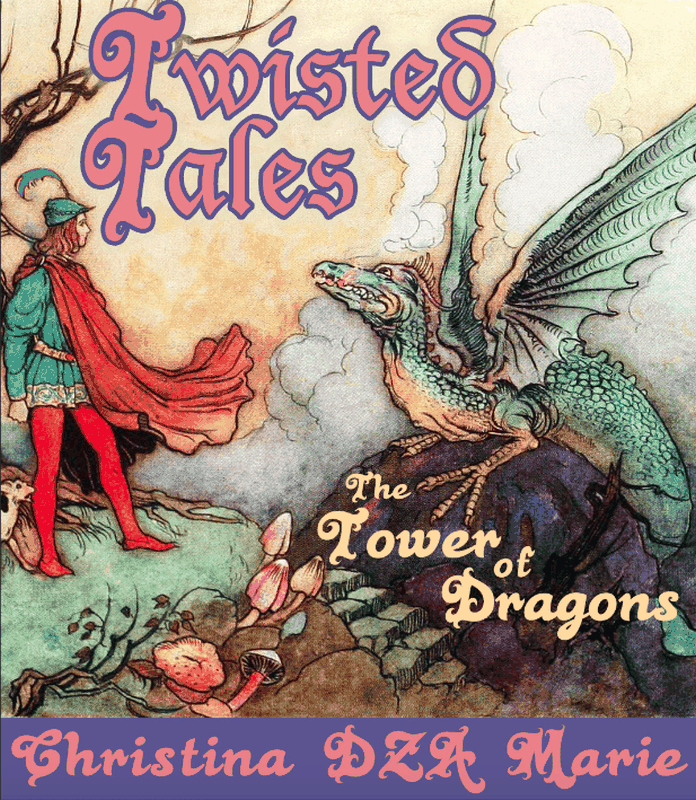
Jim Webster is a fantasy author who, among other things, writes short stories as inspired by old, "rustic" paintings and artworks. He currently has a short story series called
Rustic Pursuits
with this very concept on his
blog
, centered around a hapless poet named Tallis from the fantastical city of Port Naain.
Jim has generously agreed to share one with this for the following (terrifying) piece of art: 
Rustic Pursuits
Obviously as one’s fame grows, it’s inevitable that one will find oneself in
greater demand. This I had been promised by my elders. Yet I confess that
this fame seemed to take a long time to come. Admittedly Port Naain is a
large city with any number of poets, some of whom are perhaps my equals. And yet,
I always struggled to find patrons. Indeed I found that those patrons I had
valued my abilities as a master of ceremonies, able to maintain order in
their soirees, keeping the musicians sober, the singers chaste and everybody
appearing in approximately the correct order. The fact that I could engage
in witty banter, produce amusing verse when needed and could hold a room
spellbound with my stories and verses was merely a useful bonus.
Still, I did get offers of work, in Partann of all places. This area lies to the south of the city; the populace is rustic and unsophisticated. Indeed the further south you travel the more unsophisticated do they become, until finally they lapse into little more than barbarism. My offer of work came from the Tweil family. I didn’t know them; they almost shared a name with a prosperous Port Naain family, the Tweel. From what I could discover the two families may have been connected a couple of centuries back. Still, I received an invitation, on elegantly headed notepaper, to perform some of my latest works to an audience of family and invited guests. The only disadvantage was that their estate was perhaps forty miles out of the city and this was going to take me at least two days to walk. I had to set off immediately. So I bade my wife Shena a fond farewell, crossed the Paraeba Estuary on the Roskadil ferry and set off, on foot, into Partann. The first day I made good time. I slept in a stable, paying for my keep with a few romantic verses and some help with the chores. Next morning I set off, confident that I was in good time. It was about noon when I came upon a group of Urlan camped by the site of the road. I like the Urlan, although I confess I am always courteous in their company. Trained from childhood in arms, they are consummate fighters, chivalrous with a strong sense of honour, and if they do take offence, you can be dead before you even understood what exactly you’d said. Still these were a merry crew, none of them older than twenty, and some of the younger ones barely fifteen or sixteen. As an aside I would recommend the young Urlan to you. They can be so intensely serious, but their innate courtesy means they tend to be polite to artists. So when I mentioned I was a poet travelling to perform, they were genuinely interested. One maiden called Keikel, perhaps the youngest as she had no more than four shrunken heads hanging from her sword belt, asked where I was performing. I mentioned the Tweil estate. It was then they informed me that I’d spent that day marching in exactly the opposite direction. Instead of being a mere five or six miles from it, I was nearer twenty. I could have wept. Then the maiden suggested they lend me a horse. Their leader, a knight by the name of Brodan Vect, agreed with her. He pointed out that they were intending to travel in that direction for the hunting. They could camp near the Tweil estate, and when I left, I could meet up with them and regale them with tales of my successes, before leaving the horse with them and returning home. To be absolutely honest they didn’t actually say, ‘regale them with tales of my successes,' but they certainly said they’d be interested to know how I got on. They even suggested that, if it seemed appropriate, I ask the Tweil family whether they would mind the Urlan hunting across the estate. So I thanked them, mounted the horse I had been loaned, and set off at a canter. Now others might think that this would be a chance to disappear with the horse and sell it in Port Naain. After all I’d make more money on that than I would entertaining the Tweil household. Still anybody who suggests this course doesn’t know the Urlan. They live for war and for hunting. Hunting horse thieves is considered a particularly honourable pastime. Indeed, if it’s an Urlan’s horse the thief has stolen, that Urlan feels pursuing them to the ends of the earth and slaying them is almost obligatory. I arrived at the Tweil estate perhaps four hours after noon. I had been musing upon the origins of my horse. The trouble is that some of the Partannese aristocratic families are not enamoured of the Urlan. They feel that the Urlan do not treat them with the respect they deserve. Actually I think the real problem is that the Urlan do treat them with the respect they deserve. Still, having a mare with Urlan markings might not be tactful. So once I was in the grounds I picked my way slowly through the woodland, watered her at a stream and fastened her behind a spinney where she was screened from view, but had some decent grazing to keep her busy. Then I walked back through the grounds to the house. I was greeted with almost total disinterest from the maid who opened the door to me. She merely directed me down a corridor to the Morning Parlour. Even as I approached the parlour door I could hear somewhat discordant singing and I looked inside to see perhaps a dozen people standing around the room, clutching tankards whilst a young lady, elegantly attired, kept them all talking and simultaneously kept their drinks topped up as well. She saw me enter and beckoned me across to the table on which stood a punch bowl. Now I have seen many punch bowls in my time. Most of them are glass and are often very fine, with a matching ladle which will hold enough to fill a small wine glass. This allows even a grasping host to pose as wildly extravagant by offering you a second ladle full. On this occasion, whilst I call it a punch bowl, I’ve seen smaller cauldrons hung over fires cooking stew. The ladle she was using to serve punch with was better suited to serving porridge. She asked me my name, and ran her finger down a list which lay on the table next to the punch. Finally she found me, smiled and offered me a tankard of the punch. At this point she was called away by one of the other guests and I took the opportunity to glance at the list. Frankly I was a little put out; it was a collection of nobodies. A few of them I’d vaguely heard of. When I looked round I decided I might know some of them slightly, but none of them were persons of solid literary merit. In fact, if she had set out to create a list of those Port Naain would never miss, then with the obvious exception of myself, she had done a excellent job. I sipped my punch. I’m glad I did; if I had tried to drink off a mouthful or two, then I’d have had a coughing fit. The damned stuff was almost pure alcohol. I looked inside the bowl. There was a little fruit floating in the liquid, probably enough to flavour it, but not enough to threaten it with dilution. To be fair, it was pleasant enough, but not something to drink on an empty stomach. I moved away from the bowl and made an attempt to join in the nearest conversation. One has to be collegiate. I’m afraid it wasn’t really worth my while. The others had obviously been hard at the punch for some time and their conversation had frankly suffered. When the young woman came past to top up our tankards, I asked when we were to dine. Frankly, I was hungry. She glanced towards the clock and said she thought it could be three or four hours. As she moved to the next group I came to a decision: I had to get something to eat, if only as a defense against the punch. I had noticed that there was a door behind the punch bowl table, and det ected it led to the kitchens. So when I could see the lady was caught up in some discussion with another group, I quietly made my way to the table, surreptitiously emptied my tankard back into the bowl, and slipped through the door. I found myself in a short corridor leading to a large kitchen. Much to my surprise it was empty, and there was no sign of any cooking being done. On occasions like this, the kitchen should be the very centre of activity. Yet this was empty, there was no fire in the grate--indeed, the range was cold. I looked round. Stacked tidily next to the door there were a dozen empty bottles. I picked one up and read the label. It was ‘Urlan plum brandy,' produced by Grine Halstrop, Brewer and Dyer. Whilst Halstrop may not produce the worst beers in Port Naain, it is rightly a contender for that particular crown. It also produces a range of spirits which are just that, pure spirit. The only thing the Urlan would have done with this stuff was to use it to clean rust off armour. I looked round the rest of the kitchen, hoping to find something to eat. Eventually I’d assembled a small loaf, some sausage, and four bottles of excellent wine. These latter were so out of place I did wonder how they had come here. Now I felt that morally I owed one bottle to the maiden who’d lent me the horse. The other three could be sold to help me cover my out of pocket expenses; given there was no meal and everybody was drunk, I couldn’t envisage getting paid. So I decided to take the bottles out to my horse, stow them in the pack behind the saddle, eat the bread and sausage, and then return to the house. There, with the others, I could await developments. The kitchen door opened onto a small kitchen garden. On the other side of that was a low wall and on the other side of that I could see the woods where my horse was. I crossed the garden. To my left, towards the back of the house, there seemed to be a ruined building or two, and there was also a fire burning. I couldn’t see it, but I could smell the smoke. I left the kitchen garden by the gate which led to the woods, and once in the woods I made my way closer to the ruins. There I could see a considerable number of people, dancing and cavorting around a fire pit covered with a metal grill. This appeared to be the real party. Even as I watched, the dancing came to a halt, and the participants, in various states of undress, started instead to sing. Or perhaps they started to chant, because there was more rhythm than melody. As I watched and listened, the hairs on my neck started to rise. The whole thing seemed fey and unseemly. Then, out of the shadows of the ruin came the woman who had been serving punch. I didn’t initially recognize her because now she was dressed only in her shift. She was leading a man who was stark naked and very drunk. She led him to the edge of the fire pit and he stood there, swaying unsteadily, looking round in a confused manner. Suddenly she stepped behind him, grabbed his hair, pulled his head back and with one swift movement, slashed his throat with a knife . The man’s blood spurted out, and she pushed his body forward so it collapsed onto the grid. The chanting grew louder and more fervent, and the woman gestured towards the ruins. I saw two women bring out another victim, naked and almost incapacitated by drink. The crowd emitted a mighty ululation and one loathsome entity stepped forward out of the crowd, seized the victim, and carried him to the fire pit. There it opened its overly wide mouth, bit off the victim’s head and cast the corpse onto the grid. Making sure I couldn’t be seen, I made my way back through the woods to where my horse was waiting. Behind me the tone of the chanting grew ever more malevolent. Around me the woods seemed to grow darker, and I felt around me a growing sense of evil. I began to sense presences, to feel them rather than see them. I saw strange misshapen creatures, tenebrous in the shadows. They seemed almost but not quite men and women, moving through the trees near me. The chanting, and the blood poured onto the fire, were drawing them out of the woods and into the light. By the time I got to my horse the poor creature was wild eyed. Something far larger than a man was crashing through to underbrush towards me. I could hear it, but fortunately it was still out of sight. Hastily I mounted the horse, my plans for a meal forgotten. I left the bottles in my coat pockets, reached forward whilst still in the saddle to untie my mount, and then guided it back to towards the house. Unfortunately, as I came up to the ruins, it was obvious that things were building to a climax. Mixed now with the dancers were other stranger and more repugnant entities. They capered rather than walked, they yammered when they should have been silent. Indeed, one such burst out of the bushes behind me and lunged for me. The horse skittered sideways away from the threat, and then we were seen from the ruined window. The woman in her shift saw me and threw herself out of the window at me, whilst behind her, something darker and more terrible howled and charged towards me. I was saved by my horse. Whereas I was almost petrified with fear, sheer terror awakened in my gallant mount’s breast the urge to flee. Clinging desperately to her neck I gave up any attempt to control her. I occasionally risked a glance backwards to discover that the pursuit was close behind. Ahead I could see the gateway onto the road. The gate still stood open. We passed through at speed and without any prompting on my part the horse turned right, back the way we had come. Something grabbed my leg. Instinctively I groped for a weapon and pulled a bottle out of one of the deep poacher’s pockets in my coat. I turned and saw the woman in the shift was alongside me, running as fast as the horse. I gave no thought to how she might be achieving this but brought the bottle down on her head. She let go of my leg as she avoided the blow and I hastily abandoned the bottle, clinging once more to my gallant mare’s neck. Suddenly as we rounded a corner I saw a small force of horsemen across the road. My mare burst through a gap between two of them and stopped dead, quivering and shaking. I fell off her and groggily got to my feet. The Urlan were here but were dressed for war, not hunting. The late evening sun glinted on mail. Some wore steel helms; others had helmets with bronze face masks. Some, probably the maidens, had long hair hanging down from under the helmets. All wore totems, charms and the shrunken heads of their defeated enemies. One, in the second rank looked down towards me. “Stick close if you can.” I recognized the voice of Keikel, the maiden who had loaned me the horse in the first place. Slowly, I mounted the horse again and turned it to follow the others. As I caught up with her she smiled encouragingly at me and handed me a long dagger. I held it clumsily, but tightly. Now we were riding with lances raised. My pursuers came round the corner in a mob and stopped abruptly as they saw the force awaiting them. Keikel raised a horn to her lips and blew it. I heard answering calls in the distance, all from well ahead. As the notes of the horn died away a hideous demonic creature stepped forward from the mob. It raised above its head a sword which shone with an otherworldly light. Brodan Vect shouted, “Now!” and the line of horsemen, lances lowered, crashed forwards. I cannot claim to have witnessed everything. My horse just kept up with the others, and I did my best to say aboard. When we were moving more slowly I did attempt to keep hold of the reins. The leading demon moved with remarkable rapidity; it sliced through the lance coming towards it, then stepped aside to allow the horseman past. But this merely put it in the path of another horse which struck it so forcefully is was knocked sprawling. It leapt to its feet, still holding the sword, but then Brodan Vect started raining blows down on it and it was hard pressed to do more than parry. The rest of the horsemen had swept through the mob, riding many down and were swinging round to ride back. I had stayed back to avoid the demon. It was as I tried to get my horse to edge round the fight between the two champions that I saw the woman in the shift stand up from amongst the bodies. She had obviously thrown herself to the ground when the horsemen charged, and now she had a dagger drawn and was coming up behind the Urlan. Brodan’s attention was entirely given over to his demonic opponent, who had stopped giving ground and was starting to put in attacks of his own. I urged my mare towards the woman and swung. When she saw me coming she ducked down to avoid my blow. I lunged at her with the dagger , lost my balance, and fell off my horse on top of her. As she went to strike me, I grabbed her hand with the knife, and we wrestled in the dirt. She attempted to savage me with her teeth and twice I head-butted her in the face. Finally she manage to wriggle out from under me, turned to strike, and as she did she stiffened and collapsed forward. A n arrow had taken her between the shoulder blades. I glanced round. The rest of the Urlan had returned, two more had joined in the fight against the demon. The creature backed away from them, but only until it had its back to the trunk of a great tree. There it stood at bay. The Urlan landed blows on it, but the creature’s skin was tough. Not only that but it was covered in boils and pustules, and as the blades stuck, the pus which wept out would corrode steel and burn flesh. The fight continued. I t took three warriors to keep the beast in check. The Urlan made no sound, but the demon roared and cursed. Behind me I heard a voice: “Tallis, step back please.” It was the maiden Keikel, on horseback, with a great Urlan bow in her hands. Next to her was another Urlan who had discarded her lance but was now carrying what looked to be a great sharpened tree branch. As the creature roared, the Urlan bow sang, and an arrow hit the beast in the mouth, pinning the head to the tree. As her arrow struck, Keikel shouted “Now!" and the three men on foot threw themselves out of the way as the other rider charged through with the sharpened branch held in both her hands. With the weight of horse and rider behind it, the lance smashed into the creature. Even as it fell the other Urlan returned to the attack, hacking at the neck with their swords and cut the creature’s head off. As they did so, the body faded, leaving nothing but a dark patch on the ground where the grass was dying. Brodan Vect stepped away from where the corpse should have been, and saw me watching. He grinned at me. “Well, poet, you’ve witnessed an Urlan exorcism.” I bowed slightly. “Then sir, I thank Aea that I am a poet, not a theologian.” He laughed. There was genuine humour and good-fellowship in the sound. It heartened me and I think it boosted the others. He gestured and somebody fetched me my mare. As I approached her, I felt she looked at me with an air of reproach. To be fair, she was probably used to more martial riders. I mounted again, as did the rest of the Urlan. Keikel gestured for me to ride next to her. “What now?” She gestured ahead. “The other parties are in position, we heard their horns. They will be sweeping through the estate; we’ll take out anything they drive to us.” It was dawning on me that this was long planned. “So, why are you all here?” “Last autumn my brother was here on a hunting trip. Some of the peasants approached him with tales about what was happening on the Tweil estate. So he promised to help. We drifted here in small parties in the spring and did our reconnaissance. Then we gathered up the peasants, split them into three parties, each led by a couple of our sergeants, and they would be our beaters.” She smiled. “You were lucky. If you’d come through any other day, you’d have missed all this.” We rode forward, but we had no more fighting. By the time we arrived at the house, it was being thoroughly pillaged by the peasantry. I saw women staggering out with piles of bed linen and furniture. At the fire pit, the sergeants had a good fire going and were burning the bodies of the slain . We watched for a while as various creatures, some more or less manlike, were thrown into the flames and more timber was thrown on top. Finally word was given to set fire to the house as well. I shared my bread and sausage with Keikel and passed around the wine. We watched as the house burned. It was dawn before the flames died down. A man, whom I assumed to be some sort of village elder, finally came up to the Urlan. He took his hat off and bowed stiffly. “Our thanks for what you’ve done.” The Brodan Vect bowed back. “We do what we can.” The village elder gestured to his people. Four of whom then carried forward two bed sheets. They laid them down on the ground and opened them. Each was filled with the more valuable loot from the house. The elder said, “Take a sheet, the choice is yours.” Brodan gestured to the nearest. “That one will do.” The elder nodded and gestured for his people to take the other one away. He turned back to Brodan. “It’s an accursed spot. This house always brings trouble.” Brodan nodded. “Yes, it’s the second time our kindred have been here.” He pointed to the older ruins around the fire pit. “My mother’s grandfather burned that.” The elder didn’t look particularly surprised. “I trust we will not bother your family again in the future.” Brodan watched as two of his sergeants strapped up the sheet full of loot and fastened it to the back of the horse I’d been loaned. He turned back to the elder. “If you want my advice, I’d take the whole lot down, stone by stone, until nothing is left. Get rid of everything and just plough the site.” The elder half smiled. “And so your mother’s grandfather advised us. This time we will heed the advice.” And me? The Urlan decided they ought to camp to rest their horses and invited me to join them, which I felt was decent of them. I remember lying down and then I knew no more. When I finally awoke, they’d broken camp and departed, all save for Keikel who they’d left behind to keep an eye on me. When I awoke she passed me a parcel, and with that she rode off to catch up with the others. I opened the parcel. There was bread, cheese, a good wedge of meat pie and a smaller package. When I opened that I found a necklace, silver set with pearls. I walked back to Port Naain and gave Shena the necklace. She wears it occasionally. But not often, because it’s worth more than the barge we live on. But yes, I like the Urlan; they’re honourable and are, after a fashion, polite to artists.
Dread Nation by Justina Ireland
Jane McKeene was born two days before the dead began to walk the battlefields of Gettysburg, Pennsylvania—derailing the War Between the States and changing the nation forever.
In this new America, safety for all depends on the work of a few, and laws like the Native and Negro Education Act require certain children attend combat schools to learn to put down the dead. But there are also opportunities—and Jane is studying to become an Attendant, trained in both weaponry and etiquette to protect the well-to-do. It's a chance for a better life for Negro girls like Jane. After all, not even being the daughter of a wealthy white Southern woman could save her from society’s expectations. But that’s not a life Jane wants. Almost finished with her education at Miss Preston's School of Combat in Baltimore, Jane is set on returning to her Kentucky home and doesn’t pay much mind to the politics of the eastern cities, with their talk of returning America to the glory of its days before the dead rose. But when families around Baltimore County begin to go missing, Jane is caught in the middle of a conspiracy, one that finds her in a desperate fight for her life against some powerful enemies. And the restless dead, it would seem, are the least of her problems No spoilers (promise)
As a general rule of thumb, I tend to avoid any and all historical fiction for a variety of reasons. One is the same reason I avoid contemporary fiction or anything else that isn't fantasy or sci-fi: it doesn't interest me. I won't say those stories are boring (they're not, and every now and then I find one that's really good even without supernatural elements), but it doesn't spark my interest the way a fantasy or horror story does.
The other reason I avoid historical fiction is because, as someone who has a bachelor's in history and continues to study it, I usually find half a dozen major problems with the historical setting within the first few chapters. The most common crime is that the time period is very idealized. We're seeing it through the thick lens of nostalgia (specifically, white and/or male nostalgia) rather than how it really was. Basically, the writer just doesn't do their research, which is extremely important even if you're doing an alternative history. Justina Ireland side-steps these problems very neatly. Firstly she brings zombies into the equation, which is a surefire way to get my attention because I love zombie stories. It's rare that a story cannot be improved by adding a bit of the undead into the mix. Secondly, she definitely did her research on the Reconstruction Era. For those who are drawing a blank on what that is, the Reconstruction Era is that bit of time right after the Civil War when the U.S. tried to piece itself back together, fix up the destroyed South, end the slavery thing, and failed horribly on all accounts. Historians disagree on when, exactly, the Reconstruction Era ended--if indeed it's ended at all--and most agree that it could have gone a lot better, especially for the newly freed slaves, many of whom were forced to become indentured servants employed and abused by the very whites who owned them as property a few years ago. Ireland takes that time period, adds a healthy dose of zombies, and goes to town. While it's definitely a YA novel--with the teenage protagonist, lightning-fast speed, critical view of authority and government--it's a story that readers of almost any age can enjoy and learn from. She's also got the language down perfectly. Several historical fiction authors have their characters and narrator talk either too contemporary or too blandly. Jane McKeene--who is both the main character and the narrator--talks exactly the way someone raised in 1870 Kentucky and educated in 1880 Maryland would talk. Jane herself is an awesome character. She's a badass fighter, notorious troublemaker, and is one of those stupidly brave people who you respect for Doing The Thing, but at the same time you kind of want to strangle her because you're going to get yourself killed, you idiot! Kind of like Jon Snow, but more interesting. Playing her foil and partner is Kate, her fellow classmate who is Jane's opposite in every way. Well, not every way, seeing as Kate isn't a horrible racist with dangerous delusions on how a society should overcome the zombies. That position goes to the villain, who we actually don't meet until halfway through the book. I won't go into detail because spoilers, but I will say that he's the perfectly crafted villain, in that I want to beat him over the head several times with a dictionary. He's the guy who just has to die. And I say that as an anti-death penalty advocate and pacifist. The other characters are well-written, too: enemies, allies, the crush and ex-boyfriend who both cause an absolute minimum of tension, thank God. Actually, there's not much of a romantic subplot here, for which I'm glad. The ex--named Red Jack--is someone that Jane sees only as a mistake, refuses to get back together with despite his repeated advances, and while she still has some lingering feelings for him and gets jealous whenever someone else gives him goo-goo eyes, she ruthlessly squashes them down to concentrate on the task at hand. That is an attitude sorely lacking in many YA protagonists that I deeply appreciate, especially in a zombie story, where the most common mistake an author makes is focusing on the petty drama rather than the very real threat of imminent doom. (We also find out about three-quarters of the way through the book that Jane is bisexual, or at least fluid and flexible enough to have made out with a pretty girl. Yay, diverse characters!) My only complaint about this book is that there are a couple of loose ends, namely the fate of one of Jane's friends who goes missing. She spends a good amount of energy looking for him before she's forced to leave, so it's not like Ireland forgot he existed. She just refuses to tell us where he went off to, which is frustrating. Though I think she plans on bringing him back if she ever publishes a sequel, which is a distinct possibility. Watch me not complain about that. So, yeah. Welcome to the Favorites page , Dread Nation ! Please don't eat my brains.
I should give a quick update before I let Shannon from
Read & Reels
take over. A couple of weeks ago I got a second job working at Panera Bread as a delivery woman (well, technically it's my
third
job; my full-time position is PCA/job coach for people with disabilities, writing is my second job, and now this). At the same time, a bunch of other stuff happened this month:
In the middle of all of this, I realized yesterday, Shit! I need to blog this week, too! Um... Guest post to the rescue! Unlike me, Shannon O. apparently has her life way more in order, and managed to not only finish reading a book, but write a review for it, too. Please enjoy while I go out and buy a much-needed planner. "Slithers" by W. W. Mortensen: Book Review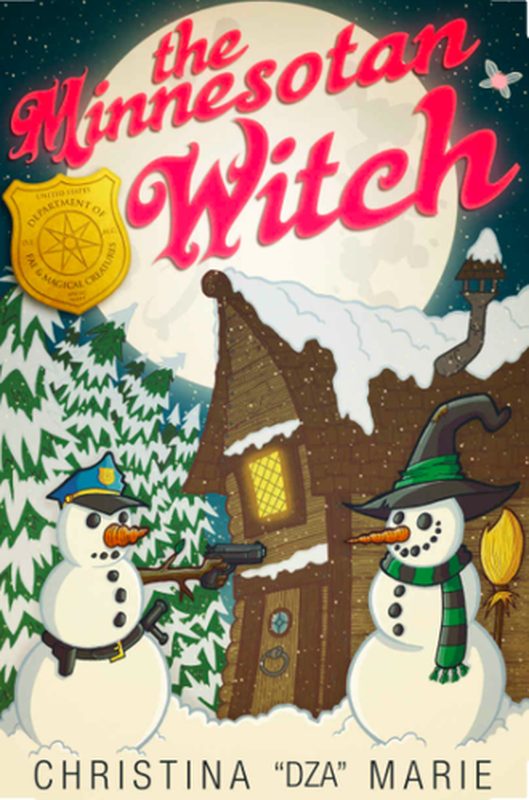
Thank you so much for having me on your blog! It’s so awesome! Seriously, everyone needs to be reading it!
Today I thought I’d share a review of a Sci-Fi Horror I read recently, called Slithers by W.W. Mortensen! There are so many things to like about Slither ! Perfect setting, a tense atmosphere, wrought with fear, great writing, and good pacing. See what I mean, LOTS of things to like. That said, the ending is so huge and complex, I feel the author should have dedicated more time to explaining it better. I mean, I get the gist, but with such existential ideas to contemplate, readers would benefit from a more thorough conclusion. This is the first book by Mortensen that I've read, and this one didn't put me off. On the contrary, I'm quite intrigued by his other titles, especially Eight . He's clearly very talented and based on the mood he creates in this story alone, I'm more than keen to read more. Some other things worth mentioning: I loved all the creepy crawlies in this story. They very much reminded me of King's creatures in The Mist , which is high praise because that is one of my favourite short stories, and the gory scenes were also brilliant! I just loved how vivid and descriptive they were, so well done sir. Ugh... I'm shuddering just thinking about some of them. Ultimately, I think the theme is about the universal question "What if?", and Slithers is an original, and entertaining approach to answering it. It may not be for everyone but many of you will really enjoy it! Rating... B or 3.75 Gooey Truck Drivers out of 5! WW Mortensen Website: http://www.wwmortensen.com/author/ Thanks again for letting me share on DZA today, it warms my heart to see so many amazing blogs like yours dedicated to Horror and Science Fiction! Shannon O. (a.k.a. Shanannigans) Blogger & Publicist
Yay, Shannon! I am definitely adding this to my reading list.
Be sure to visit her blog Reads & Reels . You can also connect with her on Facebook , Twitter , and Instagram .
Thoughts on Netflix's new horror movie Bird Box
I finally got around to watching
Bird Box
last week. Alone. At night. In my windy apartment.
Word of advice: don't do that. While there was a bit of type-casting going on, the acting was great, the script was amazing, and the movie itself was pretty cool. For those of you who don't know: Bird Box is a Netflix movie based off of a book of the same name. It's a post-apocalyptic monster story where, if you look directly at the creatures taking over our planet, you commit violent suicide. (So, trigger warning.) One of the biggest complaints of this movie is that we never see the monsters themselves. Which is a stupid complaint, because that's the whole point of the movie. The creatures take the form of your worst fear, biggest regret, greatest source of grief, and enhances those feelings so much that you immediately commit suicide. That's the true horror of it: a formless, shapeshifting beast that only wants you dead. Well. Most people dead. There were some issues I had with this movie. Perks of having a B.A. in social justice: I have issues with every movie. And you get to hear about them. :) One of Bird Box 's problems is its treatment of people with severe mental health problems. The way mental health is (inaccurately, terribly) portrayed in horror movies deserves its own blog post, like this one , and this one . So I'm going to try to make this brief. While most people in Bird Box die once they see the creatures, there is a small percentage who do not. Instead, they praise the creatures' beauty and force other people to look at them. And who else are these people but the criminally insane. I get it. The creatures may be deadly, but once you learn how to navigate with a blindfold and ignore the fact that the creatures can mimic the voices of your dead loved ones, you're pretty much good to go. The movie needs another, more corporeal threat to endanger and kill off some of the characters. But if you're going to use people with severe mental health issues as your villain, then make at least one of them your protagonist. Show us a person with severe depression who's highly triggered by the mass suicides going on around them and needs to find some reason to keep going. Or someone with schizophrenia who regularly hallucinates and might have some insight in how to navigate the creatures' tricks. There were some of the other horror movie tropes. While there was a refreshing lack of stupid horror movie mistakes, there was the fact that the only two people of color--both black men--end up getting killed. Er, killing themselves. Both in suitably self-sacrificing, badass moments. But let's face it: unless the movie is being directed by Jordan Peele, the black guys almost never make it to the end. My final issue with Bird Box involves a big-ass spoiler. So if you haven't seen it and want to, then I am going to direct you to my newsletter signup, and my Patreon page. If you would like to see more blog posts, as well as YouTube videos on my channel and published works, then please consider becoming a patron. You'll also get access to exclusive content such as sneak peaks, giveaways, and surveys.
Okay, self-promo over. Spoiler ahead.
At the end of the movie, Malorie and her kids manage to get to sanctuary in the middle of the woods, at a building that turns out to have been a school for the blind. This, obviously, makes sense, and I first thought it was pretty clever. Of course people who are physically, completely blind will have a natural advantage over creatures that require you to see them. In our sight-centered society, we often forget about these folks. So the fact that they got to play saviors was kind of cool. But then I thought, Hold on. Why are we only hearing about these people now ? This movie takes place over five years. You're telling me that the remnants of the U.S. military didn't think to recruit these guys to seek out survivors? Or that the ninety-year-old war veteran who lost her sight a few years ago isn't wandering around her home city making sure her idiot sighted neighbors have the food the water they need to survive? Or that there's a little blind boy foraging for food for his friends and family? While a part of me is glad that the movie at least added the blind community in a positive way, it annoys me that people with disabilities only appear to serve the able-bodied people's stories. The only reason the school for the blind appeared in Bird Box at all is because Malorie needed somewhere to end her story. And I get that the whole movie is, ultimately, her story, but the fact is this happens with any movie that isn't exclusively about disability, with only a handful of exceptions. And that's just not right. So, yeah. Bird Box is a great way to kill a couple of hours and a good horror movie. But in the grand scheme of things, it's nothing special, and nothing new. Christina "DZA" Marie's Favorite Horror Movies of the 21st Century
Halloween is one of my favorite holidays. I don’t even get dressed up in a costume and bang on people’s doors anymore. No, I love this because I love horror. And candy. But mostly horror. And this time of year, you turn on the television at nine in the morning and at least five different channels have horror movies playing.
We’ve all heard of (and have hopefully seen) the classics: Halloween , Nightmare on Elm Street , The Shining , et cetera. And these are great. Nobody is denying the awesomeness that is the classic horror movies of the 1980s. But they tend to eclipse the modern horror movies of the 21st Century. Now, I know what some of you are thinking. The 21st Century sucks in terms of new, creative movies. Everything is either a remake or a sequel, or it’s all fake blood and pretty blondes with no actual substance. Well sir (or ma’am), this list is for you. Because I decided to expel sequels and remakes from this list--which is a shame, because 2017’s It was incredible. These five movies were all made within the last decade, and all of them are new, creative, and downright terrifying. Get Out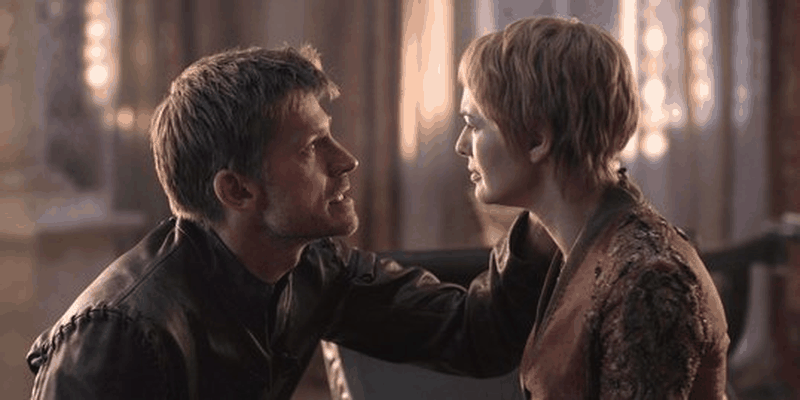
Get Out is one of those insidious movies that gets under the skin and stays there long after you leave the theater. This is in part because the big theme is about race, and how seemingly nice white people still play in active role in oppressing black people. However, there are some real terror elements here. There’s hypnosis, brainwashing, liars and schemers.
One of the freakiest moments is during a party, where Chris (the guest of honor and the main character) leaves the room. Everyone is chatting and otherwise acting normal, until he goes upstairs. Then everyone stops talking and looks up, listening to him and following his moments. I literally shivered just remembering and writing this down. The Cabin in the Woods
You know those comedies like
Shaun of the Dead
and
Zombieland
that make fun of horror movies?
Cabin in the Woods
does the same thing, and still scares the shit out of you. It’s the same guy who wrote
Buffy the Vampire Slayer
, so there is strong comedic elements--especially with the “villains.” (I’m using quotations here because, in the end, you have to ask yourself if they are truly the bad guys.) But it’s still terrifying. The idea of every one of your movements being watched and
manipulated
by people who want you dead. The risen zombies who worship pain and therefore go out of their way to make every moment as agonizing as possible. The fact that any decision or possible outcome that happens is a shitty one because it’s just that big of a clusterfuck. This one will probably remain a favorite of mine for a long time.
A Quiet Place
Some people are skeptical when they find out a horror movie is rated PG-13. Not me.
The Ring
(another favorite of mine) is PG-13, relying on dread and suspense instead of blood and guts.
A Quiet Place
uses similar strategies, and it does it beautifully.
It’s a post-apocalyptic world where everyone has to make as little noise as possible to avoid being killed by these horrifyingly fast (alien?) monsters who operate on sound. So 95% of the dialogue in the movie is American Sign Language, which the characters probably already knew because the main protagonist (and the actress who plays her) is deaf. The movie deals with guilt, family, and how to survive a world overrun by terrifying monsters. A good time all around! Lights Out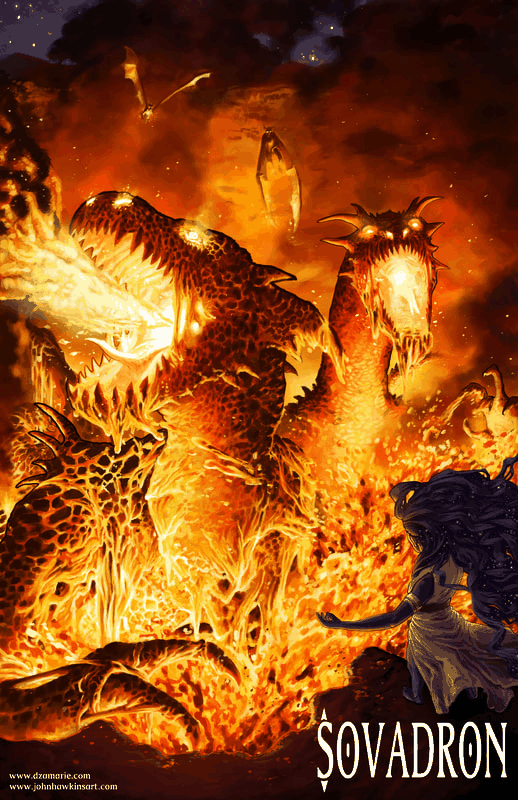
I literally couldn’t even watch this one. I kept ducking behind my hand and looking away from the screen as the characters entered dark rooms and got hunted by the ghost-lady. The main character’s mother spent her childhood in a mental health institution, where she met another, much more disturbed girl around her age who also had a rare skin disease that made her ultra-sensitive to light. An experiment gone wrong ended with that girl being dead, but not gone, as she continued to haunt and emotionally abuse her “friend” throughout her life.
There are some concerns about this movie being less-than-friendly to those with mental health problems, particularly depression, which is one of the conditions the mother suffers from. It’s not nearly as bad as, say, Halloween or The Roommate . But it’s enough to warrant a heads-up. Oculus
This is a movie that took a mildly ridiculous premise--a haunted mirror--and executed it to perfection. It also has a dual timeline: we see the main characters as children encountering the mirror for the first time as it drives their parents insane, while simultaneously watching those characters as adults try to destroy the mirror.
I love this movie because it’s smart . There are zero stupid horror movie mistakes, and the only (ultimately fatal) mistake made by the characters is that of pride, which is a legit character flaw. The kids did what any child could do in that crappy situation, and then proceeded to spend ten years researching the shit out of the mirror and coming up with a plan of how to destroy it. The acting is great, the writing is better, and the results are horrifying.
But wait, there’s more! If you want a list of all of my favorite horror movies, head over to my
Favorite Movies
page. I update it every time I hit the theaters.
Have a happy Halloween! :)
Unlucky thieves invade a house where Home Alone seems like a playground romp. An antique bookseller and a mob enforcer join forces to retrieve the Atlas of Hell. Post-apocalyptic survivors cannot decide which is worse: demon women haunting the skies or maddened extremists patrolling the earth.
In this chilling 21st century companion to the cult classic Darkness: Two Decades of Modern Horror, Ellen Datlow again proves herself the most masterful editor of the genre. She has mined the breadth and depth of ten years of terror, collecting superlative works of established masters and scene-stealing newcomers alike. -- Normally, I don’t read horror. As much as I love horror movies, something gets lost in translation when I try reading it on a page. Which is one of the reasons why (don’t hate me) I don’t read Stephen King, despite the fact that I love the movies inspired by his books. Just look at my review of It . However, I got Nightmares: a New Decade of Modern Horror , among many other books, as a present this past Christmas. (Yes, I am a Buddhist. Yes, I still celebrate Christmas. Because, free food and presents and time off from work. That makes me sound like a crappy Buddhist, and I don’t care.) So as I looked at my growing To Be Read pile, I thought I’d give it a shot. Anthologies are, by their nature, hit-or-miss, but I can honestly say that most of the stories in here were very good. There was suspense, creeps, and a couple of them even managed to be funny. It made me laugh one minute and squirm in my seat the next, which was undoubtedly very confusing to anyone who happened to be in the room with me at the time. My favorite top five stories from Nightmares are: “The Atlas of Hell” by Nathan Ballingrud “Ambitious Boys Like You” by Richard Kadrey “Our Turn Too Will One Day Come” by Brian Hodge “Sob in the Silence” by Gene Wolfe “Strappado” by Laird Barron I recommend this book to everyone, even those who, like me, honestly aren’t that interested in horror literature. It’s well worth the read.
I am now on
Patreon
!
Patreon is similar to crowdfunding, in that multiple people support a cause they love and get free goodies as a result. You can donate as little as one dollar a month, or you can give more and gets loads of cool stuff like sneak peaks and free books. Every penny goes toward giving you more good content. So if you like what you're reading, click here and help me continue to write for you! 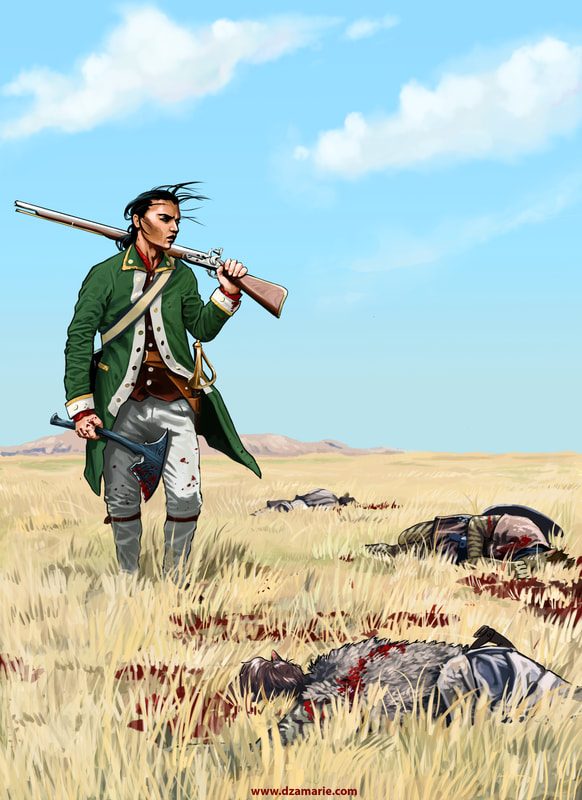
This week I went to see the new movie
Flatliners
. Next weekend I'll be seeing it again, this time with my mom. Yes, it is definitely good enough to pay to see twice.
Not everyone agrees. A lot of those who saw the original saw the remake as a disappointment. Apparently, it doesn't bring any newness to the story. I will not be comparing this movie to the original. Mostly because I never saw the original (it came out five years before I was born), but also because I want to judge the movie on its own merits. Med student Courtney (or as I refer to her, Dr. Juno) gets into a car crash that kills her sister, and as a result becomes obsessed with death and reaching the other side. She ropes in a handful of other medical students into an experiment that involves stopping her heart, then reviving her. After seeing how flatlining has "improved" her (she has perfect memory recall, which is a huge advantage in the medical field), all but one of the other students takes a turn. Of course, what Courtney neglects to mention before everyone else jumps in is that, in addition to awesome Limitless -style memory, she also starts experiencing not-so-awesome hallucinations of her dead sister. Everyone else soon gets the same problem: Jamie keeps seeing the girlfriend he abandoned, Sophia sees the girl she bullied in high school, and Marlo gets creepy blood-notes painted across the walls. My only complaint about the movie was that the climatic scene at the end was a little underwhelming. The story does a great job of ramping up tension as the hallucinations get worse and characters start dying. But then that tension doesn't really go anywhere, or rather it gets interrupted. One of the characters flatlines herself in what was probably an attempted suicide to face her guilt, but this is after the other characters face their guilt in a much more mature, less dangerous manner and take responsibility for their actions. As a result, that character that had until now come across as rather intelligent (if a bit bitchy) looks incredibly stupid. The two sequences should've been reversed: near-death guilt trip, then heart-warming real-world forgiveness. I also wish that they'd gone deeper into Ray's character. He's the logic/moral compass of the group, being the only one who doesn't flatline but sticks around because he's the most competent and experienced. We get a hint of a tragic backstory when he mentions being a firefighter, but nothing else. Having a scene with him sharing some gut-wrenching story with the other characters in an attempt to convince them to own up to their mistakes would've added an excellent emotional layer. Other than that, it was a great movie. James Norton (Jamie) was what I would argue the best actor of the group, although they were all fantastic. In the span of a single scene--the one where Courtney convinces her friends to legally kill her before bringing her back--he goes from "Sure, whatever, you wanna kill yourself I'll help you, mostly because I'm just pissed that I'm not getting laid tonight" to "This is more nerve-wracking than I'd thought it be, you sure you wanna do this?" to "#^%^#$%%#!" freak-out. And there are very few horror movie mistakes. Most people would argue that flatlining in the name of science, especially when you aren't actually a medical professional, is a pretty stupid thing to do. But when you consider Courtney's obsession, along with the academic edge she receives in this extraordinarily stressful, fast-paced environment, their decisions do make sense. So I'll definitely be seeing this movie again next week. And if you haven't seen Flatliners yet, then I hope to see you there. Monday Movie! Wish Upon
This post will have literally ALL THE SPOILERS for
Wish Upon
. It’s actually more of a scathing, sarcastic synopsis than a review.
Cool? Cool. -- I’m not going to say this movie was horrible. But it definitely didn’t earn more than three out of five stars, and that’s being generous. It’s like if Final Destination and The Monkey’s Paw had a kid who became a total deadbeat who refuses to work and lives in his parents’ basement at age forty. Admittedly, I came into the theater a few minutes late, so I missed the opening scene where Claire’s (the main character) mother Joanna kills herself about ten years in the past (in a later scene, Claire’s dad, Jonathan, muses that Joanna probably had a secret that was too heavy for her to handle. I’m sure that won’t come up later in the film). I came in just as Claire made it to school and was getting bullied by a Regina George rip-off named Darcie, while looking longingly at the Popularity King; this year’s model is named Paul. Meanwhile, Jonathan, a notorious dumpster-diver, finds a Chinese music box and decides to give it to Claire, since she’s taking Chinese in high school. She knows just enough Mandarin to read “seven wishes” in the calligraphy, but nothing else. She dismisses it, then makes a half-serious joke about wishing that Darcie would “just rot.” The next morning, Darcie gets necrotizing fasciitis, an honest-to-god real infection that kills the body’s soft tissue, effectively causing a living person to “rot.” Not so coincidentally, Claire’s dog Max is found dead beneath the house. Claire now knows that the box truly does grant wishes, but hasn’t yet made the connection between the wish and death. And because she’s a teenage girl, her next wishes are: 2 - having Paul fall “madly in love” with her (which causes the death of her rich Uncle August) 3 - inheriting everything August left behind (which causes the garbage-disposal death of a close family friend, Mrs. Deluca) 4 - for her dumpster-diving dad to “stop being so embarrassing” (which eventually leads to the death of…) Claire asks her Chinese classmate, Ryan--the real love interest, being the halfway-decent male with sad doe eyes for our heroine--for help translating the rest of the box. They end up going to his cousin Gina, who studies ancient Chinese. She manages to translate most of the rest of the box: seven wishes, you have to be touching it, if you lose or sell the box all of the wishes come undone...she also finds out that the box’s original owner, a woman in the early 20th Century, made it magic by praying over it for seven days and seven nights, thus summoning a Chinese demon into the box. Fun fact: all of the woman’s enemies were vanquished, she became rich, and she died young via suicide. There’s still one phrase left in the box they can’t figure out while Claire is oh-so-conveniently still in the room, so Gina takes a picture of it and sends it to her friend who might know. Barely hours later, when Gina’s alone, she gets the translation. We only hear that “that’s messed up,” and she calls Ryan while freaking out about it. She’s then killed by tripping and falling head-first into the horn of a bull statue. (Death #4) Wish #5: Claire wishes to become the most popular girl in school. She’s immediately invited to a party and is the talk of the town. She also realizes that her shiny new boyfriend Paul is a total creep who’s been spying on her and taking pictures as she sleeps. In the first smart decision she’s made the whole movie, she dumps his ass. Ryan finds Gina’s corpse. After some more research, he goes to Claire and tells her the translation: “When the music ends, the blood price is paid.” As an added bonus, after the seventh wish the demon comes to collect the wisher’s soul. He tells her about all the other box’s owners, all of whom had seemingly idyllic lives after finding the music box, only to have everyone around them die before they themselves either A) committed suicide, or B) were killed seemingly by accident. Claire finally decides to tell her two BFFs June and Meredith about the box. They don’t take it seriously, although Meredith does take the time to scold her for being a selfish bitch (“If I had seven wishes, you know what I would do? I’d wish for world peace, I’d cure cancer…”) June suggests throwing the box away, but Claire still hangs onto it. Later, during a scavenger hunt, the three go to a hotel. Meredith separates from the rest of the girls to play what looks like a much cooler version of Pokemon Go . At the same time, Jonathan is driving down a dark and windy road. The music box opens, and they’re both put in dangerous situations as Meredith’s elevator is stuck twenty stories up and Jonathan’s car threatens to squash him while he’s fixing the tire. Who’s it gonna be? The father whose death would have the most emotional impact if he was the last to die rather than now, or the sceptical black friend? Hmmm… As the coroners are taking Meredith’s body away, June declares the whole thing Claire’s fault and tearfully storms off. Claire goes to Ryan, and after a brief argument they attempt to destroy the box, only to find that it won’t burn or be smashed by a sledgehammer. She hides it away again, but the next day it goes missing. Ryan is relieved, but it all unravels for Claire. She and her dad lose all the assets her uncle August left them, she goes from the school’s queen to the pariah, and Darcie’s back and bitchier than ever. It turns out June stole the music box, stashing it in her locker to keep it out of the hands of her two little sisters. Claire takes a very Gollum-ish turn and fights June for it, ends up throwing her down the stairs, then threatens Ryan when he tries to take the box from her. Claire returns home and uses her sixth wish to bring her mother back. Joanna comes into her bedroom alive and well. And look, Claire has two little sisters that she’s overjoyed to have! That right there is enough to pull anyone still invested in this movie right out. There’s no way a seventeen-year-old would be thrilled to suddenly have two nine-year-olds invade her bedroom. Jonathan’s happy, Joanna’s happy, it’s Claire’s birthday and she’s prompted to make a wish when she blows out the candles. Everything’s literally sunshine and roses. So of course the next thing the Magic Box of Ironic Doom does is kill her dad. Really, Claire? You didn’t see that coming? You bring back one parent, obviously the other one is out the door. We also learn that (surprise!) Claire’s mother also had a run-in with the music box, and that was why she killed herself ten years ago. That’s the last straw. Claire decides that if the music box can so completely warp reality as to rewrite the past, it can send her back in time (because that makes sense). She uses her final wish to go back to the morning her dad found the music box, and wakes up the morning of with her dog Max on her bed, her father getting ready to dumpster-dive, and her mother still dead as a doornail. Everyone else is alive and well. Claire calls a grumpy, decaffeinated Meredith just to make sure, hugs her dad, talks to Ryan about Gina, etc. Even better: no siblings! Claire goes with her dad on the dumpster-dive, finds the box before he does, and hides it. At school, she goes to Ryan and asks him to get rid of it. After some awkward flirting, dinner plans, and a sporadic kiss, Claire skips off across the parking lot… And gets run over by Darcie. The end! (Honestly, all I could think about was Mean Girls with Regina getting hit by a bus. It almost made me laugh.) Was it worth the $5 movie ticket and ninety minutes to watch this? Yeah, I’d say so. But I wouldn’t go see it again. Not until we can get it for free in the “Meh” Movie Section of On Demand. What were your thoughts on Wish Upon ? |
What's This?The first Dragons, Zombies and Aliens blog was started in 2015. Somewhere between college coursework, paying rent with door-to-door sales, and keeping up with my sorority sisters, I wrote reviews, rants and commentaries on books, TV shows, and movies. Now, this blog has moved, improved, and the sky's the limit! Categories
All
Archives
July 2020
|
 RSS Feed