Christina "DZA" Marie
  • Home
  • About Me
    • Bio
    • Review Policy
    • Contact
    • My Favorites >
      • Books
      • TV Shows
      • Movies
  • Published Works
    • Earth's Final Chapter
    • Novellas & Shorts
  • For Writers
  • Blog

Dragons, Zombies and Aliens ​:
​The Blog

Top 7 Science Fiction/Fantasy Animated Series

7/15/2020

0 Comments

Animated shows--or "cartoons"--have a bit of a bad rep. While the concept of adult cartoons and introduction of anime to American media have done a lot to counter that attitude, plenty of people out there still believe that animated shows are "just for kids," or, worse, don't have good storytelling.

Bullshit.

I have compiled a list of seven of my personal favorite sci-fi and fantasy animated shows. These are a mix of kid-friendly and explicitly adult, with links to more in-depth reviews. So if you're thinking of venturing into the field of animated television--or are just looking for your next show to binge on Netflix--give one of these a try.

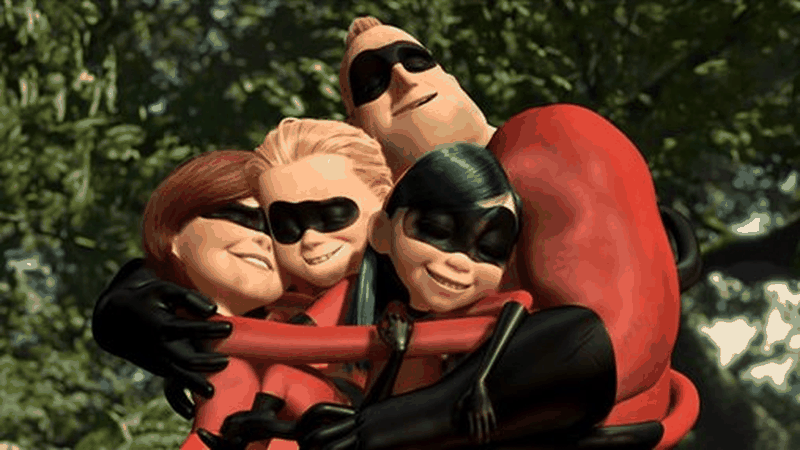
Avatar: the Last Airbender
Picture
Kid-friendly
Epic Fantasy
3 seasons, finished

Avatar: the Last Airbender is the best animated show for children, if not best animated show period , and that is not hyperbole. There's a reason I reference this show repeatedly in almost all of my "on writing" articles and videos: great worldbuilding, engaging plot, stellar characterization, heart-renching redemption arc, diversity, cute animals, intense fight scenes, catchy music, everything is just damn-near perfect.

If you haven't heard me gush about this show, Avatar: the Last Airbender follows the story of Aang, a twelve-year-old Chosen One who has to bring peace to a world at war for the last one hundred years. But all Aang wants to do is be a kid. Kind of hard to do when he's being chased by the entire Fire Nation and all of his people were wiped out in a genocide.

One of its greatest strengths is the nuance. Not everyone on team bad guy is evil. Not everyone on team good guy is a good person. And there's more than one morally gray character: the Fire Nation prince Zuko, the freedom fighter Jet, even Katara--the most heroic member on Aang's team--has some dark moments.

And yes, this is a kids' show ​doing this. I love it!

She-Ra and the Princesses of Power
Picture
Kid-friendly
Epic fantasy
5 seasons, finished

I'll admit, at the time of my posting this I am not done watching She-Ra and the Princesses of Power . But I've finished season four and will binge the rest of it by the end of the week.

It has a similar premise to Avatar : chosen one, war, save the world, etc. Also like ATLA, it has more nuance than the surface level good vs evil would have you believe. A lot more nuance.

There are two marked differences. The first is the chosen one in question: Adora starts the series a member of the Evil Hoard, having been raised by them since she was an infant. The minute she realizes that they're destroying the land and hurting innocent people, she joins the rebellion and becomes She-Ra, a powerful warrior with a variety of useful powers that she has no idea how to control.

The second difference, and what initially caught my eye, is the worldbuilding. While there's plenty of magical elements, it also has a lot of technology and science fiction elements, as well. Essentially, the world of Etheria blends magic with technology in a way I've never seen before.

It also has a lot more gay. Always a plus.

The Dragon Prince
Picture
Kid-friendly
Epic fantasy
3 seasons, unfinished

The Dragon Prince has one of the same creators and the voice actor of Sokka from Avatar: the Last Airbender , so I was all over this.

Also, it seems I have a thing for anti-war stories, because this follows the same concept as the other two: rag-tag group of kids set out to end a conflict that's been plaguing their world for the last several generations. This one doesn't have a chosen one, though, so that's a difference.

I broke this one down in detail in my review , but we've basically got a human kingdom that killed the dragon king of Xadia a while back and destroyed his egg, which triggers a band of elven assassins to go after the human king and his two sons. But one of the elves discovers that the egg wasn't destroyed, but rather stolen, and she works with the two human princes to make things right between their peoples.

Fullmetal Alchemist: Brotherhood
Picture
Young adult
Epic fantasy
64 episodes, finished

Fullmetal Alchemist: Brotherhood is an anime based on the manga Fullmetal Alchemist . It follows a pair of teen brothers who seek the Philosopher's Stone so they can fix their big magical screw-up. They tried to bring their mother back from the dead and it did not go well: the eldest brother Ed lost an arm and a leg, and the younger brother Alphonse lost his whole body, so now his soul is attached to a suit of armor.

To do this, they join the army in their highly-militarized country, which is hiding a big secret going back centuries and proves deadly to anyone who gets too close.

The magic system here is alchemy, and heavily science-based. You can't make something without giving up something of that exact same value, which is why bringing people back from the dead never works. For instance, in an earlier episode, Alphonse uses the broken pieces of a radio to make a brand new one. This makes for some creative problem-solving on Ed and Al's part.

To the Abandoned Sacred Beasts
Picture
Adult
Epic fantasy
1 season, unfinished

During a nasty war, one side resorted to illegal magic experimentation and turned their soldiers into shapeshifting monsters. They can change at-will into terrifying god-like beings with unique powers that ultimately won the war. The problem is they slowly lose their sanity and humanity, stealing from and murdering innocent people instead of soldiers on a battlefield.

To make matters worse, when the war ended, their captain Hank--our main character--was betrayed and shot before he could find a way to fix it. Two months later, all of those unstable, insane supersoldiers are back home, endangering their families and communities. So Hank, left with no other choice, hunts them down one by one.

Like Fullmetal Alchemist: Brotherhood , this show is inspired by a manga. But as I said in my review , I actually prefer the anime to the manga. Season two was supposed to release this year, but with COVID throwing everything out of whack, who knows when that'll happen?

Rick & Morty
Picture
Adult (rated R)
Science fiction
4 seasons, unfinished

If you haven't heard of Rick & Morty , can I come over to the rock you're hiding under? It sounds fantastic.

It's genuinely difficult to pin down what, exactly, I like about this show. Normally I prefer stories with hopeful messages and less chaos. Rick & Morty is full of dark humor, near-irredeemable characters, and a "screw it, I do what I want" attitude toward worldbuilding. And yet, I love it.

As Rick says, "don't think about it." Just enjoy watching a dysfunctional family have crazy space adventures.

Season five will hopefully start sometime next year, which is probably the earliest we can hope for with the pandemic.

Castlevania
Picture
Adult (rated R)
Historical fantasy
3 seasons, unfinished

When Dracula's wife is murdered by an overzealous bishop, he decides that humans suck and declares war on all of humanity, unleashing his undead army to butcher them all. A trio of heroes--a vampire hunter, a mage, and Dracula's own half-vampire son--fight to stop him.

As I said in my review , Castlevania is a very grimdark story. Almost everyone is either a villain or anti-hero, and only half of the story is actually dedicated to the heroic trio. The other half is spent on the infighting in Dracula's forces. But it's also got a handful of genuinely bright, funny moments.

Season four likely won't premier until the second half of 2021, but if the other seasons are any indication, it'll be well worth the wait.
What are your favorite sci-fi/fantasy animated series?

    Never miss a post! Sign up for the weekly Dragons, Zombies & Aliens newsletter:

Subscribe to Newsletter

Thank you, patrons!

Picture
become a patron
0 Comments

Guest Post: 10 Amazing Sci-Fi/Fantasy Books by Women

6/28/2020

0 Comments

Hello DZA readers! My name is Dan Ruffolo, and I’m the writer for the SFF review/article site Strange Currencies . Christina got in touch with me to see if I was interested in doing an exchange of guest posts with her, and this being my first chance to do something like that, I jumped at it. So here we are!

In light of the recent dialogue around publishing as an industry and a highlight of the ways in which advances and marketing budgets are leveraged primarily to the benefit of male, white authors, it becomes incumbent on us as reviewers to take up some of the slack on the marketing front and make sure our readers are made aware of the fantastic genre writing that already exists by women and WOC.

In the hopes of maybe encouraging you to branch out and explore inside the genre, I here and Christina over on my blog will each present a list of 10 great sci-fi or fantasy novels written by women (view her 10 picks here ). If we can encourage you to branch out to femme authors if you haven’t been, or help you discover some new authors, we can help change the idea that publishers are ‘taking a risk’ by supporting, marketing and selling authors like them, and instead make it business as usual.

A note on the list: For the most part I’ve either picked a specific book I particularly enjoyed by that author, or the first book in a series/their first novel. Almost all of these authors are still actively publishing new work, so don’t necessarily take my touting of a book from 20+ years ago as an indicator that they’re not still creating all kinds of excellent work, just as a pointer to the starting place if you want to get into their creations. A few of them link to reviews I’ve written on my site.

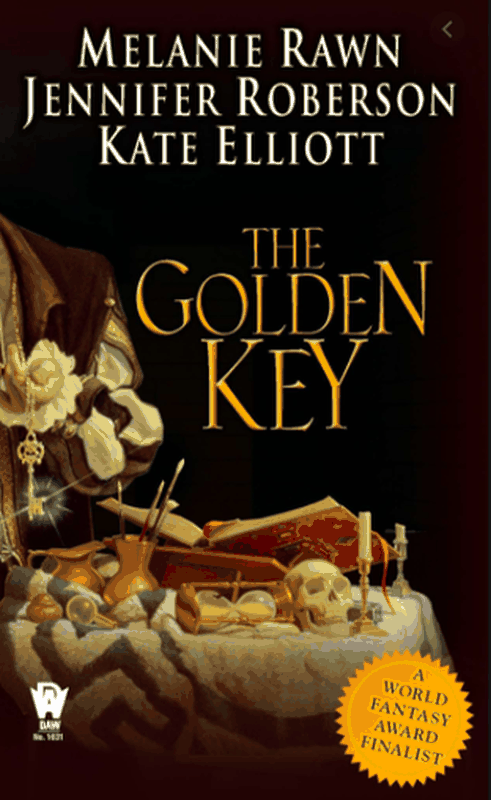
The Golden Key by Kate Elliott, Jennifer Roberson, and Melanie Rawn
Picture
While the list here is not actually ranked, I am starting with my favourite book on the list, and one of my favourite books of all time, the co-written Fantasy novel of epic proportions (running to nearly 800 pages): The Golden Key .

Telling the generations-spanning story of the Grijalva family, a family of painters with many subtle secrets, it includes one of the most interesting systems of magic I’ve ever seen. Melanie Rawn would go on to write another novel in this setting, T he Diviner , and to have collectively stopped at only two novels feels like a horrible waste, so incredible is this world and this novel.

Who Fears Death by Nnedi Okorafor

Picture
The first adult fiction novel by Dr. Okorafor, Who Fears Death was nominated for the Locus, World Fantasy and Nebula awards for Best Novel, winning one and surely deserving of the other two.

Handling the difficult themes of race, oppression, and weaponized rape with a grace and aplomb that would almost astound if she hadn’t made it look so easy, the story of Onyesonwu’s coming of age, coming to terms with her world, and quest for justice made this book...you don’t want to use a word like ‘enjoyable’ for a story dealing with such serious themes. I suppose I would say ‘compelling.’ But it was a journey I absolutely had to finish as soon as I started it.

A Darker Shade of Magic by V.E. Schwab

Picture
(A note on the linked review: As it says, it was based on a preview copy of only the first quarter of book one, and I was fairly unimpressed with it based on that. I went on to buy and read the full novel, and both of the others, and absolutely enjoyed the crap out of them, so take the review with a hefty dose of salt.)

One of the best examples of a parallel worlds fantasy I can think of, Victoria Schwab’s A Darker Shade of Magic is an absolutely fascinating look at London through the lens of Kell and Lila, denizens of the magic-rich Red and mundane Grey versions of the city. Fantastic pacing, a deep and rich story and an absolute top 5 ‘best female protagonists’ entry in the form of Delilah Bard, the three books of the Shades of Magic trilogy were a wonderful introduction to a great author.

Brightly Burning by Mercedes Lackey

Picture
While coming quite a bit later in the overall widely-spanning Valdemar series (being the 18th book chronologically and the 24th book by publication in a staggering 45-books-and-counting series) I’ve always held a special place for Brightly Burning both as a book in general, and a suggested entry point into the Valdemar world.

​In addition to being a stand-alone in what is often a sea of trilogies and duologies, the story of Lavan Firestorm is a deeply emotional and impacting one for anybody who has ever been an outsider. One of the first times I ever cried reading a book.

Fool’s Assassin by Robin Hobb

Picture
Robin Hobb was one of those authors that I knew for years and years I should read, and just never got around to. Another example of starting late in a series, Fool’s Assassin is the first of a trilogy, but the 14th in the larger Realm of the Elderlings . I gather for people who’d been reading the whole series, the eponymous Fitz of this Fitz and The Fool trilogy was the draw, but for me the show was completely and absolutely stolen by the character of Bee. She was an absolute frigging delight, and the primary push for me to continue on with the trilogy. I’m sure I’ll end up going back to read the rest of the Fitz-based novels, they really are excellent and he’s a great character, but what I really want is more Bee!

Parable of the Sower by Octavia E. Butler

Picture
An extremely topical novel for our current times, Parable of the Sower really highlights the degree to which Octavia Butler exemplified the foundational aspects of science fiction: using imaginary worlds and future settings to mirror the very real issues of the world, and provide a framework for thinking about how to approach that future with hope and aspiration.

​A post-, or really mid-apocalypse of climate change, corporate greed, and racism backdrops a young woman’s vision for a better future. Even if Butler weren’t a phenomenal writer in her own right, the sheer volume of contemporary parallels in this, and its sequel Parable of the Talents , should make this mandatory reading.

Valor's Choice by Tanya Huff

Picture
The first installment of, for my money, one of the best boots-on-the-ground military sci-fi series ever made, Valor’s Choice introduces Staff-Sergeant Torin Kerr, also one of my favourite protagonists as well. Huff does an incredible job keeping Torin bad-ass and unwilling to take any shit, and do anything to preserve the safety of her team, while also keeping her empathetic, reasonable and incredibly human, a task at which a lot of authors, especially with male protagonists, fail miserably.

​The eight-book series is finished, making it a safe dive-in for people who worry about starting series that aren’t done yet. For those who are less interested in sci-fi, I can also highly recommend her Quarters series (4 books, high fantasy) as well as the Keeper Chronicles (3 books, urban fantasy).

Flesh and Fire by Laura Anne Gilman

Picture
A completely random pick-up at my local library that turned into an absolutely amazing trilogy, and a strong entry in the list of ‘best magic systems,’ as well as as one of the very few books I’ve read that starts with a young chosen one with incredible powers that doesn’t turn into garbage.

​Instead, the Vineart War trilogy intimately captures the combination of fear, anxiety, and pride that accompanies anybody who has the pressure of presumed greatness hanging over their heads. You pretty much couldn’t ask for a more realistic and human ‘chosen one.’ And when you combine the novelty of a wine-based magic system, you’ve got the makings of something really excellent, and Gilman didn’t disappoint at all.

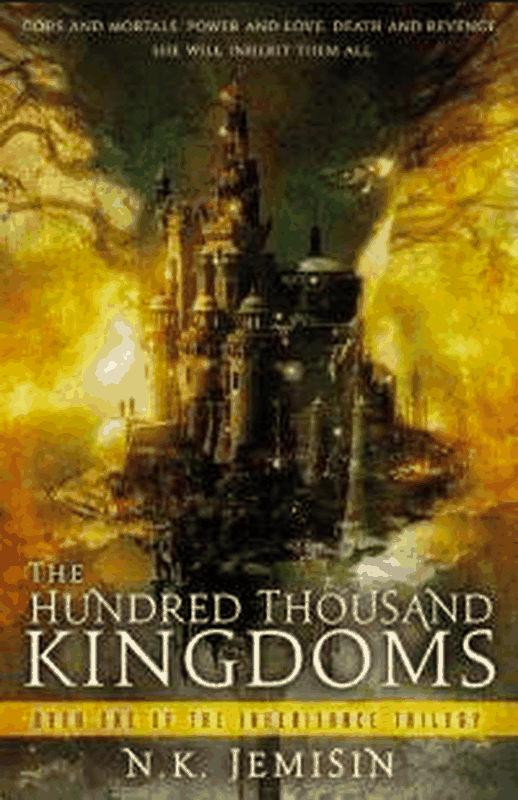
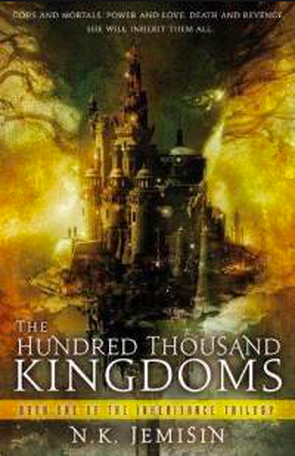
The Hundred Thousand Kingdoms by N. K. Jemisin

Picture
The debut novel for the woman who would go on to become one of the most award-winning SFF authors in the history of the genre, barely a decade into her career. You can see in The Hundred Thousand Kingdoms the seeds of the brilliance and skill that would lead her to become the only author to win three Best Novel Hugos in a row, and one of only five authors to win three total in their lives.

A fantastic...not so much subversion as innovation...of the otherwise tired trope of “young person goes to big city, gets embroiled in big city politics and learns dark secrets.” The idea gets new life breathed into it with some amazing conceptual world building and a unique narrative style. While it’s never good to get into the practice of canonizing authors where you “have to” read them to be considered well-read in the genre...after 3 Best Novel wins in 4 nominations in less than 10 years, the importance of Jemisin to modern SFF really can’t be understated.

The Ghost Bride by Yangsze Choo

Picture
One of the biggest advantages to branching out from the industry-dominant ‘US/UK White Dudes’ when it comes to reading fantasy is getting to experience all of the cultural myths and spiritualities of other cultures and how they interact with the fantasy genre.

The Ghost Bride takes a long-standing tradition and then steeps it in the fantastical in probably my favorite method of doing historical fantasy. The both figurative and literal spiritual journey that Li Lan undertakes is heartfelt, genuine, and just superbly executed upon.

And in doing a bit of back research to refresh myself on this title, I’ve discovered that Choo has another book out just last year-- The Night Tiger-- which looks to build upon the same themes.
Dan is the creator of the review and article website Strange Currencies . A lifelong reader of almost exclusively Sci-fi and Fantasy, he has been reviewing since 2011. In addition to reviews, he is a freelance editor, and game designer and is going back to school in September to become a Paralegal and Law Clerk. You can find him in various social media places:

Website: www.strangecurrencies.org
Twitter: @sff_writer_dan
Facebook: https://www.facebook.com/StrangeCurrenciesReviews
What are your favorite sci-fi/fantasy books written by women? Tell us in the comments!

    Never miss a post! Sign up for the weekly Dragons, Zombies & Aliens newsletter:

Subscribe to Newsletter

Thank you, patrons, for making this blog possible!

Picture
become a patron
0 Comments

6 Amazing Sci-Fi and Fantasy Books by Authors of Color

6/21/2020

1 Comment

Go to your bookshelf.

Take out all the science fiction and fantasy books that you've read.

Look up each author and then divide the books by "white author" and "non-white author."

Once you have your two piles, you'll probably realizing with a sinking feeling that you have a lot more books by white authors than people of color.

This isn't an attack on you. The publishing industry--like most other industries--are skewed to favor white people. Even as there's a growing interest in characters of color, it's often very difficult for authors of color to break into the industry compared to their white counterparts.

I'm guilty of this, too. One look at my Favorites list will tell anyone that I've been lingering in my own comfort zone for far too long.

In light of this--as well as the recent call to support black business owners and authors--I will be expanding my reading list. As soon as I finish the
Diviners series and get my new books in the mail (I wouldn't be surprised if my recent order single-handedly makes Bezos a trillionaire), you will see a spike in this blog of reviews of books by authors of color.

I invite any and all white readers to join me in this challenge of purposefully diversifying our bookshelves. I invite any people of color reading this to join in, as well, though you're probably less likely to need it. More often than not, when I stumble on a "new" author of color, my non-white friends will have known about them for years. Same with LGBTQ+ authors and friends. I'm usually slow to the party, is what I'm trying to say.

Anyway, this post is for people hoping to find a good read by an author of color. Here is a list of six amazing science fiction and fantasy books by authors of color that I've already had the privilege of reading and reviewing. Links lead to more in-depth, spoiler-free reviews. These are all in order from young adult to grimdark adult, so you'll hopefully find something to catch your interest.

​Happy reading!

Dealing in Dreams ​by Lilliam Rivera

Picture
Young adult
Post-apocalyptic dystopian

The post-apocalyptic Mexican-style Mega City is ruled by gangs. Each gang is made up of five girls under the control of the Mega Towers, which house the rich and social elite. Everyone wants into the Towers, including Nalah, the leader of the fiercest girl gang in the city. To do so, she has to go undercover outside of the city, venturing beyond the walls for the first time of her life. And surprise surprise, the outside world is not the desolate hellscape she was led to believe.


Rivera did not write a traditional dystopian novel where the spunky group of protagonists work to topple the evil overlord and put someone else in charge. That's not the central conflict, and it's not what we as readers are necessarily waiting to happen. The core of the story is entirely on Nalah: can she accept the reality of the world, and can she keep her gang safe?

Dread Nation and Deathless Divide ​by Justina Ireland

Young adult
Historical fantasy/alternate history

What if zombies showed up during the Battle of Gettysburg?

That's the premise of Dread Nation and its sequel Deathless Divide , which creates both a foreign and familiar America. Twenty years after the dead rose during the Civil War, slavery is technically over. Instead, black girls are trained in special schools to kill zombies and protect their rich (white) employers.

Jane is a rebellious student who's only going to school to open her options and return home to her mother. But then she and her frenemy Katherine uncover a conspiracy theory that ends up sending them from Baltimore, Maryland, to the Wild West. Because even when there's a global zombie plague, it's really the humans who will screw up your day.
Picture

Kingston Cycle Trilogy by C. L. Polk

Picture
Adult (PG-13)
Epic fantasy

This is an ongoing trilogy. Two books-- Witchmark and Stormsong --are already out, with the third and final book Soulstar due for release in February 2021.

Dr. Miles Singer ran away from his family of nobles to avoid a life of servitude, and so he could use his healing magic to help veterans, rather than be chained to his mage sister as her personal battery pack. But then a murder happens, his sister finds him, and there's yet another conspiracy theory that they have to solve. Miles is helped by Tristan, a fae-like being who picks locks, is magically incapable of lying, and stars as the same-sex romantic love interest.

This series uses its magic system and worldbuilding to highlight classism, as well as mental health and historical oppression. Polk takes no prisoners with her writing and doesn't even try to be subtle about her theme. It's beautiful.

The Poppy War ​by R. F. Kuang

Adult (rated R)
Epic fantasy grimdark

In a fantasy world heavily inspired by 19th Century China, gods are real and grant terrifying powers to their shamans. None is more powerful than the Phoenix, who can grant his people the power to burn whole cities in the ground.

Our main character Rin is from a poor farming village, and she manages to get into the top military academy in the nation on scholarship. There, she goes through the ringer, and after graduating is immediately thrust into a horrible war where she makes disastrous, bloody decisions. This is basically a tragedy where we watch Rin become a monster.

This does have a sequel, but I couldn't get into it. As much as I adore The Poppy War , I could not get into the next installment. But several others disagree with me, so maybe check it out.
Picture

Who Fears Death ​by Nnedi Okorafor

Picture
Adult (rated R)
Fantasy grimdark

Taking place in a fantastical, post-apocalyptic version of Africa, Who Fears Death is the story of Onyesonwu (shortened to Onye) who is both the product of rape and has magical powers. The combination gives her some severe anger issues and puts her on the road to kill her biological father and end the system of oppression that's been keeping her and her mother's people in the dirt.

If you want a fantasy book that tackles every single issue--sexism, genital mutilation, racism, systemic oppression, and several more that I can't remember off the top of my head--while also delivering an extremely intense, gritty story of revenge and empowerment, this is the book for you.


If you want to read Dr. Okorafor's work but don't want to go through an emotional grimdark shredder, check out Lagoon . It's a lighter sci-fi read about magic aliens touching down in Nigeria.

Black Leopard Red Wolf by Marlon James

Adult (rated R)
Epic fantasy grimdark

This book will fuck with your head and break your heart. Fair warning.

Set in a world based off of African history, culture, and mythology, the main character Tracker has a supernatural ability to sniff out anyone and anything. He's hired to find and rescue a boy, the lone survivor of a family massacre, and ends up having to fight through corrupt men and cannibalistic monsters to do it.

Everyone has weird, cool powers. Everyone is either a villain or anti-hero. Everyone is a big gay mess.

​E V E R Y O N E.

Also, this book is apparently the first book of a trilogy, which I am genuinely terrified to continue.
Picture
That's that! Comment with your favorite sci-fi and fantasy authors of color so I can check them out, please and thank you. :)

    Never miss a post! Sign up for the weekly Dragons, Zombies & Aliens newsletter:

Subscribe to Newsletter

Thank you Patrons!

Picture
become a patron
Note: originally, this was a list of seven authors of color and included G. Willow Wilson's The Bird King. Then it was brought to my attention that she's actually white.
​
Whoops.
1 Comment

The City in the Middle of the Night - Book Review

4/12/2020

0 Comments

The City in the Middle of the Night by Charlie Jane Anders

Picture
"If you control our sleep, then you can own our dreams... And from there, it's easy to control our entire lives."

January is a dying planet—divided between a permanently frozen darkness on one side, and blazing endless sunshine on the other. Humanity clings to life, spread across two archaic cities built in the sliver of habitable dusk.

But life inside the cities is just as dangerous as the uninhabitable wastelands outside.

Sophie, a student and reluctant revolutionary, is supposed to be dead after being exiled into the night. Saved only by forming an unusual bond with the enigmatic beasts who roam the ice, Sophie vows to stay hidden from the world, hoping she can heal.

But fate has other plans—and Sophie's ensuing odyssey and the ragtag family she finds will change the entire world.

Spoiler-Free Review

The City in the Middle of the Night is a book that needs to be digested after reading it. It covers a lot of ground with a lot of different themes, bad guys and good guys swap roles so often it's like they're playing hop-scotch, and it pulls directly from real-world issues and re-examines them through a science fiction lens.

What I'm trying to say is, it's awesome.

First, a crash course on astronomy. Not all planets rotate. Earth rotates, allowing almost every part of our planet to be warmed by the sun and then cool off. This allows us to survive, not being burned alive or frozen to death. But when a planet is tidally locked, only one side of the planet ever faces the sun. That side of the planet is literally on fire, as the surface temperature is hot enough to cook anything less sturdy than a rock. The side of the planet facing away from the sun, meanwhile, is a total frozen wasteland. The only way human life could survive is by staying in that thin habitable layer between the two extremes, and that's where the people of January make their homes.

The story is told through two different perspectives: Sophie and Mouth. Sophie's chapters are all first person POV while Mouth's are third person POV, and I have no idea why Anders did it this way. (Honestly, it's my only real complaint. Just use third person POV for both so we don't get confused and move on.) Sophie's a student who is executed for stealing a few dollars, the police tossing her out into the night. Luckily, she runs into a "crocodile"--a creature of the night a lot more intelligent than people assume--who saves her and takes her back. Sophie is traumatized by her execution and spends the book trying to heal and move past it. Problem is she can't, because she keeps getting dragged into social uprisings and revolutions. (Damn politics.)

Mouth is a smuggler, and the last survivor of a race of nomadic people called the Citizens. When she's not moving questionable goods and people between the cities in the habitable zone, she's working through a whole cocktail of issues centered around the ghosts of her past. One of the other characters accuses her of valuing the ghosts of the dead more than people who are alive, and that sums her up pretty well.

The emotional core of the story is the relationship between Sophie, Mouth, Bianca, and Alyssa. Sophie has a huge crush on Bianca, who is a radical revolutionary roping Mouth and Alyssa into her schemes, while Mouth is trying to use Bianca to get a lost artifact from the Citizens even though she knows it'll get Bianca killed, and Alyssa just wants to retire but she's Mouth's best friend and also really believes that Bianca can make positive change, and it's all a big, beautiful mess.

Despite the fact that it opens with Sophie's execution, the story itself is relatively slow. Act One is spent in Xiosphant, Bianca and Sophie's home city. Tidally locked planets don't have sunrise, noon, sunset, midnight, etc. So Xiosphant created their own time system and makes everyone stick to it religiously. It's so strongly enforced that even uttering the phrase, "Sleep when you're tired, play when you want" is enough to get you executed. Through various shenanigans, all four characters get kicked out and go to the city of Argelo, which is the exact opposite. There is no time measuring, and there is no authoritarian government, so the entire city is run by crime families.

While the characters are running around from various authorities, building and re-building their lives as fugitives, Anders also has them deal with really harsh themes of grief, trauma, extremism, authoritarianism, poverty, hope, environmentalism, and our responsibility to other people. It's not a happy story, but it's not a tragedy, either. It's a bittersweet tale with the moral of the story being, Horrible things happen, and they will continue to happen unless you break the cycle.

Welcome to the Favorites List , City in the Middle of the Night !

    Never miss a post! Sign up for the weekly Dragons, Zombies & Aliens newsletter:

Subscribe to Newsletter

Want more? Become a patron!

Picture
Patrons get access to free ebooks, early access, surveys, and more. They also allow me to continue to put out good content on my blog and podcast. Click the button to become a patron:
become a patron
0 Comments

Book Release: Short Tales from Earth's Final Chapter: Book 2

3/9/2020

0 Comments

Picture
Endless Ink Publishing has just released their latest installment in the Earth's Final Chapter series Short Tales from Earth's Final Chapter, Book 2 , which includes one of my short stories: "The Sea Dragon."

For those of you who don't know, Earth's Final Chapter is an ongoing sci-fi series of illustrated novellas and short stories that take place on Earth several hundred years in the future. Humanity is fractured, divided into domed cities with dying technology. It's written by several authors and illustrators from around the world and edited by Julian Fernandes.

My first contribution to this series was Homestead Hunts , which features a cannibal society in a forgotten mega-dome in Canada. Even though it's the eighth book in the series, you do not necessarily have to read the first seven books to understand what's going on. (It's like watching Doctor Strange or Black Panther without having seen any of the other Marvel movies. You'll miss a couple of Easter eggs, but understand the story perfectly fine.)

Short Tales is a little different. For my story, at least, it's a direct sequel Book Nine, Kyo , written by Julian Fernandes. Japan has sunk into the ocean and now its people live in underwater cities, and amid all the political turmoil, a few scientists find and capture a large serpentine creature that, for lack of a better term, is called a sea dragon. My short story, "The Sea Dragon," is basically a shortened, underwater version of How to Train Your Dragon , though it is tragically lacking in Vikings.
If you want to read Short Tales from Earth's Final Chapter , you can purchase it on Endless Ink's website here . It's available in both digital and paperback formats. It's also available to my $5+ patrons on my Patreon page .
0 Comments

Book Review: Dealing in Dreams

1/26/2020

0 Comments

Dealing in Dreams by Lilliam Rivera

At night, Las Mal Criadas own these streets.

Sixteen-year-old Nalah leads the fiercest all-girl crew in Mega City. That role brings with it violent throwdowns and access to the hottest boydega clubs, but Nalah quickly grows weary of her questionable lifestyle. Her dream is to get off the streets and make a home in the exclusive Mega Towers, in which only a chosen few get to live. To make it to the Mega Towers, Nalah must prove her loyalty to the city's benevolent founder and cross the border in a search of the mysterious gang the Ashé Ryders. Led by a reluctant guide, Nalah battles crews and her own doubts but the closer she gets to her goal the more she loses sight of everything--and everyone--she cares about.

Nalah must choose whether or not she's willing to do the unspeakable to get what she wants. Can she discover that home is not where you live but whom you chose to protect before she loses the family she's created for good?
Picture

Book Review (no spoilers)

Dealing in Dreams is a very unique, intimate dystopian/post-apocalyptic YA novel. Several tropes get turned on their head, and we get a good look at how beauty can be found in even the worst of circumstances.

Nalah--who usually goes by the name Chief Rocka--is born into the brutally violent matriarchal Mega City, where seven-year-old girls are recruited into military camps and teenagers being beaten to death is the norm. It's a TERF's* paradise, and Nalah has swallowed the lies fed to her hook, line and sinker.

We get a handful of very distinct, diverse characters. Each crew has a maximum of five members, and Nalah encounters maybe half a dozen more named characters in her journey. Several of these characters fall into the LGBTQ+ category, including a genderfluid singer who has several things to say about how Mega City is structured. Nalah interacts with all of them, getting more angry and confused as their lives directly contradict what she's been told by Mega City.

Everything is told through Nalah's points of first, in first person. This means she dominates the prose, and the whole novel is told in short, direct, punchy sentences. There's hardly any metaphors and no flowery prose because that's not how Nalah talks. She's direct and to the point.

Nalah herself is a contradictory character. She's a gang leader, which makes her violent and cut-throat. But she's also got a softer side as she tries to protect her crew and bring all of them to the Towers so they can all have a better life. She's shrewd and calculating, as she has to maneuver a couple of political situations on top of everything else, but her goals and dreams are plain for everyone to see.

Most dystopians have a problem in that they put their characters in only one or two types situations, thus limiting how many different sides of a character the reader gets to see. Rivera circumvents this problem by putting Nalah in several different situations: in a physical fight, negotiating a ransom, relaxing in a bathhouse/strip club, in the presence of her hero, in the presence of her blood relatives, winning, failing, everything.

Honestly, my only serious complaint about this novel is that the resolution was too long. After the climax, it needed only two chapters, max: immediate fall-out and recovery. But the story itself is a difficult one to end, so I'm not torn up about it. Rivera did not write a traditional dystopian novel where the spunky group of protagonists work to topple the evil overlord and put someone else in charge. That's not the central conflict, and it's not what we as readers are necessarily waiting to happen. The core of the story is entirely on Nalah: can she accept the reality of the world, and can she keep her crew safe?

I would recommend this novel to anyone who enjoys YA dystopians, but is tired of all the whitewashing (everyone here is Latino), the unrealistically sudden end to all-powerful authoritarian regimes (doesn't happen), and/or tiring romantic subplots that take up too many pages (there is none where Nalah is concerned).
*TERF: stands for "Transgender-Exclusive Radical Feminist." Basically, they're transphobes who pretend to be feminists.

    Never miss a post! Sign up for the weekly newsletter here:

Subscribe to Newsletter

Patrons get free goodies and exclusive content!

Picture
Click the button below and gain access to sneak peaks, early access, and free goodies!
BECOME A PATRON
0 Comments

On Writing Sex - Guest Post by Jacqui Greaves

6/26/2019

1 Comment

Picture
Picture
Hi readers! I'm Jacqui Greaves, and I am thrilled to be handed the reins to Dragons, Zombies and Aliens for today. I’m going to take you on a journey to explore the weird parts of my brain that produce my works of sexy science fiction and fantasy. So, if you're under 18, now would be a good time to go and do something else.

I started writing about five years ago after careers in childcare (short-lived and miserable), marine biology, science management, and deer farming. I've published several short stories, two novellas, and a novel (more about that later). Some are science fiction and others are fantasy, but most are weird combinations of the two. What they all have in common in sex. Often very explicit sex.

To be specific, by sex I mean the physical act of sex, not the emotional state of intimacy. In writing sex I’m describing actions, sensations and influences, not feelings. This is why I've stopped saying I write erotica, because there's such a strong association between erotica and romance. I don't write romance, and my works seldom have happy endings. I also don't call what I write porn, because it's not exploitative. Unlike in most porn, the sex I write is part of the narrative, but is not the story. Sometimes I describe what I write as Lusterature, but really I just write explicit sex.

When I started writing I didn't set out to write sex. I wanted to write fantasy and science fiction, the types of stories I like to read. Despite my efforts the sex just crept in, so I let it stay.

Why? Well that’s a fine question, and I’m glad you asked!

Because, while there are some people who don’t (yes, asexuals, I acknowledge you), lots of us engage in, think about or hanker after sex pretty much daily--more for some, less for others. There’s a strong biological imperative to engage in sex, and as humans many of us start to experiment with it earlier than we’d like to admit. For most of us, sex is, and should be, an enjoyable experience without shame. But that isn’t always the case, and for me, as a writer, that’s great.

By adding sex into the mix of my speculative fiction I can explore a whole suite of character traits and behaviours that wouldn’t otherwise see the light of day. It permits me a wider vocabulary and an additional range of sensations and senses to describe. Sex brings with it, its own joys, disappointments, dangers and delights. When mixed into a speculative world, it adds a richness and depth, even an element of reality if you will.
​
So then, what differentiates good sex writing from bad sex writing?

F or starters, sex has to be anatomically and physically possible. It “might” be possible to fuck someone in the arse and suck their clitoris at the same time…but it’s highly unlikely! A scene like that would most likely make you stop reading while you tried to imagine how it could be achieved, but the aim of the writer is to keep you reading. Anything that makes you stop is bad. I once read a scene where the male twisted the woman’s boobs like doorknobs (I’m paraphrasing, but you get the picture). It just made me wince, roll my eyes and stop reading.

Unlike other genres, Science Fiction gives the writer opportunities to stretch what is anatomically possible with the introduction of aliens. The short story, "Spar" by KIJ Johnson, is an award-winning example of great interspecies sex with seemingly incompatible anatomies. The opening line alone tells us so much: “In the tiny lifeboat, she and the alien fuck endlessly, relentlessly.”
(Honestly, do yourself a favour and read the full story, here’s the link: http://clarkesworldmagazine.com/johnson_10_09/ )

Overuse of clichés and euphemisms are also sure signs of poor sex writing. If you read a cock/penis described as a beaver cleaver, love truncheon, or towering pillar of manhood, my advice is to hurl that book away. Unless it’s a parody, in which case giggle on!

Having said that, readers of fantasy are often more accepting of highly descriptive language. As an example, G.R.R. Martin uses more florid descriptors of body parts than I would, but he gets away with it because we expect it of him.


As for any scene in a story or novel, a sex scene must have a purpose. It should reveal something about the plot, characters, or their relationships. Sex can be used to explore power dynamics, reveal secrets, show attitudes, and define moral frameworks. And, unlike other story elements, sex can be used to arouse the reader. This is the magic of sex.

Gods of Fire

Gods of Fire is my first full length novel. A historical fantasy, it centers around Guillaume, an elf of mixed race.

Sentenced to death as an infant by his grandfather then abandoned by his mother, Guillaume grows up with no idea of who or what he is. All he understands is that he has a voracious sexual appetite and the power to render himself irresistible to any woman he desires. His life is thrown into turmoil when his full powers are revealed in a violent display of fire and murder. Forced to leave the only home he has known, Guillaume sets forth to unravel the mystery of his heritage. His quest takes him through France and deep into Africa. As his powers grow, only his lifelong companion, Smoke, can help him control the depraved primal urges that threaten to overwhelm him. When Smoke loses her influence, it’s not only the lives of those close to him that are threatened. Can the world survive the ancient being that Guillaume becomes?

Gods of Fire is on sale at most of your favourite online bookstores via Books2Read.
https://books2read.com/godsoffire/
About Jacqui Greaves

Jacqui has lived an adventure-filled life, spanning a range of careers and countries. She’s wrangled kindergarten children, driven buses, researched humpback whales, spoken at the United Nations, visited Antarctica, farmed deer and, most recently, written strange and sexy fiction. A New Zealander, currently living by the beach in Melbourne but on the move back to NZ, Jacqui has two novella’s published in the PNRLust Anthologies and several short stories in online publications. Gods of Fire is her first full length novel.
​
Connect
Twitter: @JacquiG_Author
Facebook: https://www.facebook.com/profile.php?id=100008782507874
Website: https://www.jacquigreaves-author.com/
1 Comment

Top 7 Sci-Fi/Fantasy YA Books for Your Summer

5/31/2019

3 Comments

Summer is finally here! For those of you who have been suffering Mother Nature's wintry wrath with me in the Midwest, this has been a long time coming.

Now, it used to be that summer meant a lot more free time for me. School was out, I didn't have any bills or rent to pay, and only a handful of extra curricular activities to keep me on my toes. Therefore, I had a lot of time to read books that weren't dry, outdated school texts. And I loved it!

These days, at age 23, it's a little different. Namely that I have a job instead of school, which doesn't end just because the weather's nice enough for a beach ball. Summer really just means dodging construction on the way to work.

Still, there's something about summer that calls for a certain kind of book. Most people gravitate toward "cozy" or, as I like to call them, "fluffy" novels. I usually go more toward YA in general, content be damned.

​So with that in mind, here are my top seven recommendations for sci-fi and fantasy YA novels (or, I should say, novel series) for you to read this summer. They're in no particular order.

Literally Everything by Rick Riordan

Picture
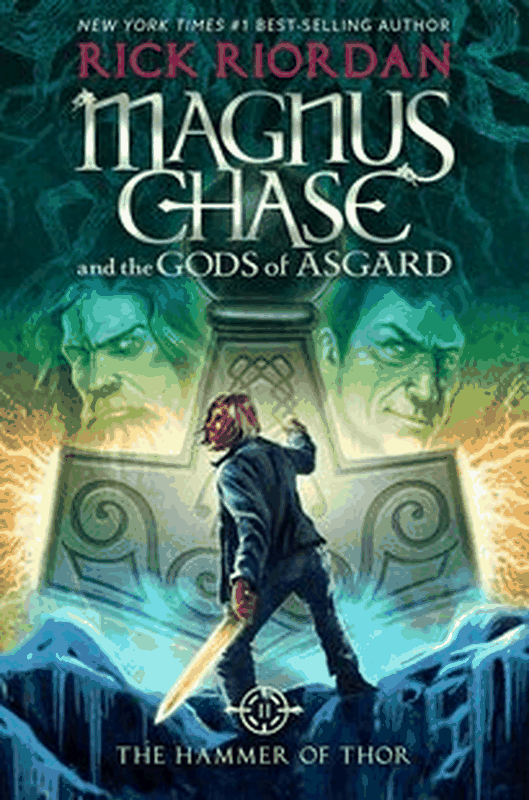
It's been a while since I've sung Riordan's praises. If you don't know, Rick Riordan wrote The Percy Jackson series, a five-book middle grade/YA book series about Greek gods and their children in modern New York. This was quickly followed by The Heroes of Olympus series, then a brief trespass into Norse mythology with the Magnus Chase trilogy, and is now being wrapped up by the ongoing Trials of Apollo series. (He's also got a thing with Egyptian gods, but I haven't read that yet.)

Be warned: while Riordan's stuff is generally funny and light-hearted, each book has some pretty heavy moments. And the series overall gets a bit darker as you go on. This is probably because the characters--and subsequent audience--are all growing up and thus are dealing with more adult things. The latest book, The Burning Maze , even killed off a beloved major character from Heroes of Olympus.

You can read a fuller review of one of the Magnus Chase books here , as well as two Trials of Apollo books here and here .

Throne of Glass series, by Sarah J. Maas

Picture
I've written mixed reviews about Maas's Throne of Glass series. On one hand , the story itself is incredible, the world-building is insane, and the characters are very well-written. On the other hand, there are way too many goddamn romantic subplots , and Maas stopped killing off major characters when she should have at around book four. Not that there isn't any angst in later books; there is a shit ton of angst. But it's also undermined by last-minute saves and plot armor keeping everyone alive, if miserable.

Throne of Glass is also technically adult. It's one of those books that they market as teen and young adult and starts off that way, but right around book five is when you get to definitely adult , so fair warning on that.

Still, all of the books are an excellent read and a great way to hide from the sun this season.

The Spectre War Series by Margaret Fortune

Picture
So far there are two books out of this five-book sci-fi series. I won't go into what it's actually about because that's a major spoiler for book one, Nova ​(spoiler-free review here ), so I'm sorry if this is a little vague.

Basically, it's way in the future, with spaceships and stations and whatnot, and some telepaths for kicks and giggles. Each book is an intense mystery that the main character (who that is changes with each book, by the way, which is really cool) has to solve before time runs out and everything goes boom. Literally. This has varying degrees of success; the characters do fail on several occasions, making it extremely intense.

In book one, our MC Lia is essentially a human bomb with no memory, sent to blow up a space station, except she turns out to be a dud. Problem is, duds can still go off, you just don't know when. So she has to figure out who she is, why she was sent to destroy the space station, and maybe figure out a way not ​to blow up.

The School for Good and Evil by Soman Chainani

Picture
This is the first book of a series, and I haven't gotten to the other books yet. It's an excellent YA fantasy that satirizes fairy tales while also doing homage to the genre.

The idea is that every major figure in fairy tales--Cinderella and her prince, Jack and the giant of the beanstalk, Snow White and the evil queen, etc.--all went to the same school, the School for Good and Evil, where they were explicitly taught how to be good or evil, depending on which side they were on. While that sounds fun on paper, the school itself is cruel and ruthless, eve on the "good" side, where the punishment for failure is cringe-worthy even to the bad guys.

Two girls from the same isolated town--Sophie and Agatha--get snatched up to go to this school (by the way, recruitment isn't exactly voluntary). While Sophie believes herself to be "sugar and spice and everything nice," she ends up on the "evil" side while goth queen Agatha is forced to the Barbie-ized "good" side. While trying to figure out an escape, they end up blurring the lines between the two in more ways than one.

Fullmetal Alchemist by Hiromu Arakwa

Picture
This is a fantasy manga (Japanese comic) that ended up becoming two animes (Japanese shows). If you want to watch the anime, go with Fullmetal Alchemist: Brotherhood , because it actually follows the manga, has more episodes, and has a much better ending.

In this world, the magic used is a rigid system of alchemy taught to an educated few that are almost all immediately recruited into the military of the dictatorship country of Amestris. The whole thing has a dieselpunk feel to it, and mechanical limbs are a common sight.

The two main characters--the Elric brothers (Ed and Al)--broke a strict taboo in alchemy by trying to bring back their dead mother. The attempt failed, and left Ed down an arm and a leg and Al's soul stuck to a suit of armor. Now they travel all over Amestris trying to find the Philosopher's Stone, which they believe will restore their bodies.

Kind of like Riordan: it's both goofy and heavy. If you like more science-based magic systems, then this is definitely the series for you. You can read it for free at MangaPanda.com.

Dread Nation by Justina Ireland

Picture
I went into a pretty in-depth (spoiler free!) review of Dread Nation ​already here , so I'll make this quick.

In the real world, the American Civil War lasted four years, which were then followed by the Reconstruction period. The Reconstruction period was supposed to piece everything back together and move on from the slavery and racism thing, and it failed pretty spectacularly.

In Ireland's world, the American Civil War was interrupted by zombies.

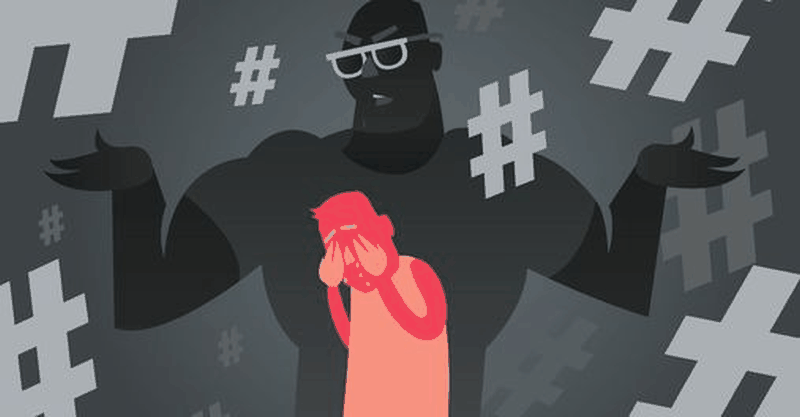
Eighteen years later, and the country is teetering on the brink of collapse, trying to fight armies of the undead while pretending everything is fine. It's very much like the meme:
Picture

The Nemesis Series by April Daniels

Picture
Also reviewed on this blog, the Nemesis series centers around Danny Tozer, a transgender superhero who has to deal with both the rotating supervillains of the week and a steady stream of transphobia. Oh, and anger and self-confidence issues due to the emotionally abusive upbringing. And being a teenager.

So far there are only two books, and I'm holding out hope that there will be more. Daniels manages to address several social issues without coming across as preachy, and book two ends with the beginnings of a really promising team of teenage superheroes.

What are your favorite YA summer reads? Let me know in the comments!

    Never miss a post!

    Sign up for the Dragons, Zombies & Aliens newsletter to receive weekly updates on blog posts, YouTube videos, and more!
Subscribe to Newsletter

Want more? Become a patron on Patreon!

Picture
Patreon allows fans to support the work of their favorite creators, and get sneak peaks and free goodies in return! Become a patron on Patreon to support this blog!
become a patron
3 Comments

Interview with Sci-Fi Author J.D. Richards

4/3/2019

2 Comments

J.D. Richards is the author of the space opera The Blue Jewel . He works with his wife Corina Richards, founder of Macska Designs , who illustrates the book covers and chapter headings.

Sci-Fi Author J.D. Richards

Picture
Can you tell us about what you're currently working on?
I’ve been working on a noir-esque novel called The Emerald Princess . It's set in the same universe as The Blue Jewel , though several years later in the timeline and not meant to be a direct sequel. I’m not ready to put my little characters into harm’s way again just yet!

Do you write under a pen name? If so, can you tell us why?
I write under the pen name J. D. Richards, though my full name is Jeffrey David Richards. I’m a systems engineer by profession, and have always signed engineering drawings and technical reports as J. D., so writing fiction as J. D. felt natural.

Have you ever written characters that you truly despise? Why or why not?
I’m treading deeper into those waters with The Emerald Princess . There are some true villains in The Blue Jewel , but to write about someone truly despicable requires more of an examination of their inner id which is uncomfortable in general. I feel there is more room for that in a gloomy noir-style of writing as opposed to a more upbeat space opera such as The Blue Jewel .

What do you like best about the books you read? What do you like least?
I like to read books that challenge my perspective, especially those that explore a character’s dramatic transformation. I love reading about what motivates people, and investigating the cause-and-effect of their lives. If a character is acting contrary to their persona for no reason or without incentive I end up putting the book down. As a writer I try to make a character’s actions and persona congruent over their story-arc.

Where did the idea of your story come from?
The overarching conflict in The Blue Jewel is rooted in the time period just before the Spanish-American War, but with the story told from the perspective of the Cuban rebels. I love to learn about history, and the late 1800’s / early 1900’s time period is fascinating to me. So much of the post-colonialism era still shapes how our modern world functions - everything from the poor disaster response after Hurricane Maria in Puerto Rico, to Brexit, to the simmering hostility between the US and Iran. The stories remain human, and they remain relevant.

What did you edit out of your book?
In an early draft I made the mistake of having my main character announce in the beginning of Act III to the other characters what they planned on doing to solve all the world’s problems. My editor was wise to point out that is a good way to write a crummy book. Once my embarrassment subsided, I cleaned up Act III and let the MC’s plan simply unfold step by step to keep the reader in suspense. The book shines a lot brighter now, and Act III is much more fun. Man I felt like an idiot when I got my editor’s markups, but that bit of editing made all the difference.

Everyone feels like an idiot once their editor gets done with them. That's what editors do.
If you were to write a non-fiction book, what might it be about? Why?

I would like to research how the perception of responsibility is shifting contrary to reality with respect to humans and artificial intelligence. It is easy to think that with all the progress in self-driving cars and smart bots like Siri or Alexa we can let the robots do all the work, but we do such a crummy job now of taking care of the dumb machines we already have! How many miles over do we go before finally getting that oil changed? When was the last time we actually checked on the smoke detector battery, or cleaned out our automatic water heater in our house? We still can’t even seem to keep our cell phones charged when we need them. The more we ask our machines to do, the more care and maintenance is required (ever have a dirty back-up camera lens on your car?), but the more I’m afraid the maintenance will go neglected. Maybe I will write about that topic. . . .

So, basically a "Here's why the robot uprising is going to happen" textbook. Fun times...
A lot of authors are frustrated by readers who don’t understand how important reviews are. What would you say to a reader who doesn’t think his or her review matters?

Writers don’t write for the money. Writing is about communicating a private thought with the reader, and being hungry for reviews isn’t about wanting positive affirmation but rather a desire to deepen the connection with the reader. Sending out messages in a bottle is fun, but occasionally getting one back is nice too, even if the ocean between us is big. Even a small review can go a long way to keep the fire burning for the writer.

What, in your opinion, is the worst mistake an author can make?
Do not assume your imagination as a writer is deeper than that of your reader. Only write what you need to connect with the reader and tell your story. The fun in reading is for the reader to do the rest.

Picture Chapter artwork for "The Blue Jewel"
If you could have a dinner with one fictional person, who would it be? Why?
I would like to have dinner with Arthur Dent from the Hitchhiker’s Guide to the Galaxy series. I feel like we have the same energy and would get along pretty well.

If you could have one (real life) skill that you don’t currently have, what would it be? Why? How would you use it?
I would like to compose music and write songs. I love playing the guitar, but don’t really consider myself a musician. I just plink along to someone else’s songs, but would love to write my own.

What might we be surprised to know about you?
I used to be licensed to transport nuclear waste in the State of Texas.

What are three things you think we can all do to make the world a better place?
1) Show some grace.
2) Seek to develop empathy.
3) Be more forgiving.

Picture
J. D. Richards lives in southern Arizona with his wife, their son, and their two Russian Blue cats. When he is not writing, he enjoys playing guitar, riding bikes, and watching college basketball.

You can connect with him on his website here , and you can purchase his book The Blue Jewel on Amazon here .

    Sign up for the Dragons, Zombies & Aliens newsletter!

Subscribe to Newsletter

Support this blog on Patreon!

Picture
become a patron
2 Comments

"Who Fears Death" Book Review

2/15/2019

2 Comments

Who Fears Death by Nnedi Okorafor

In a post-apocalyptic Africa, the world has changed in many ways; yet in one region genocide between tribes still bloodies the land. A woman who has survived the annihilation of her village and a terrible rape by an enemy general wanders into the desert, hoping to die. Instead, she gives birth to an angry baby girl with hair and skin the color of sand. Gripped by the certainty that her daughter is different—special—she names her Onyesonwu, which means "Who fears death?" in an ancient language.

It doesn't take long for Onye to understand that she is physically and socially marked by the circumstances of her conception. She is Ewu—a child of rape who is expected to live a life of violence, a half-breed rejected by her community. But Onye is not the average Ewu. Even as a child, she manifests the beginnings of a remarkable and unique magic. As she grows, so do her abilities, and during an inadvertent visit to the spirit realm, she learns something terrifying: someone powerful is trying to kill her.

Desperate to elude her would-be murderer and to understand her own nature, she embarks on a journey in which she grapples with nature, tradition, history, true love, and the spiritual mysteries of her culture, and ultimately learns why she was given the name she bears: Who Fears Death.
Picture

No spoilers. (Promise.)

I've read and reviewed one of Nnedi Okorafor's other books before: her short sci-fi novel Lagoon about mystical aliens touching down in Nigeria. I was enraptured by her storytelling, and when I found out she had other books--many of them bestsellers--I added all of them to my wishlist, and had the opportunity to purchase Who Fears Death thanks to a Barnes & Noble gift card I got for Christmas. I had high expectations for Who Fears Death because of everything I'd heard, both about it and about Okorafor herself.

And I was not disappointed.

It's rare--or at least, rare for me in my little corner of America--to find popular SFF books that have a post-apocalyptic or fantasy setting outside of the U.S., or even Europe. So the setting itself of a fantastical, post-apocalyptic Africa was intriguing to me. I wish Okorafor had gone into just what, exactly the apocalypse was that completely reshaped the world and set up whole new religions and ethnicities, or even just the history of the world in general. We're given the religious version that everyone is told growing up and that main character Onye has little respect for, but not a definitive This is what happened, and this is why the world works this way now . But that's probably just the history major in me.

The magic system used is very unique and interesting. It's a soft magic system, which is the kind that basically allows the author to make it up as they go along (kind of like Tolkien or Game of Thrones), compared to the hard magic system where the rules are explained and strictly adhered to (i.e. Avatar: the Last Airbender and Fullmetal Alchemist ). But while Onye and the other sorcerers' powers are many and varied, there's no deux ex machina that goes on. She still has limitations, especially in the beginning when she has no control.

The story itself starts out pretty slow. Onye is obviously very special and eventually has to set out to topple the unjust system of oppression and war that her mother's people is subjected to. But she and her friends don't start their journey until halfway through the book. The first half is Onye coming to terms with who and what she is (for the most part, at least), worldbuilding, and describing the struggles and conflicts between Onye, her mother, and everyone around them. So even though the pacing of the overarching story is very slow, there's still a lot that goes on that kept me turning the pages.

Oh, and in case you didn't get the hint from the book description, this story is not something to flippantly give to children. More on this later.

There are a lot of characters here. While the entire story is told in first person point of view by Onye, she runs into a lot of characters. There's her beau, Mwita, another sorcerer who knows more about magic but isn't as powerful as she is and functions as team healer. She has three best girlfriends, her mentors, her mother, her stepfather, and of course, her rapist father. Who is a real piece of work. Just...wow.

All of these characters are deeply flawed. Onye has some severe anger issues that are a direct result of how horribly her society treats her and her mother, leading her to do several things that she almost immediately regrets. The friends she sets out on her journey with turn out to be less than ideal travel companions, given that half of them abandon the quest out of fear. (Though the one that sticks around, while not magical in any way, is a total badass.) Mwita himself has some inferiority complexes. I mentioned that he's not as powerful as Onye is, and while it's clear that these two characters deeply love and go to great lengths for each other, Mwita has some sexist views that come out every now and then. He believes that he should be the sorcerer while Onye hangs back as the healer. Needless to say, this is a bit of a conflict between the two of them.

In addition to expert storytelling, captivating worldbuilding, and engaging characters, Okorafor also weaves in several themes throughout this story. And when I say several, I mean all of them . I thought I was impressed by how many topics she was able to cover in Lagoon , but that's nothing compared to when she has an extra three hundred pages to play around with. Who Fears Death unflinchingly talks about rape, war, slavery, genital mutilation, misogyny, racism, religion and tradition used as tools of oppression, love, hope, death, and probably a dozen others that I missed in my first reading or just can't think of right now.

Bottom line, this is an amazing book. It is a bold, beautiful story that deserves to be on bookshelves everywhere.

    Sign up for the Dragons, Zombies & Aliens newsletter!

    Get weekly updates on blog posts, YouTube videos, and story publications! Unless I forget to send it; then it's biweekly.
Subscribe to Newsletter

Want more? Become a patron!

Support this blog on Patreon and get access to exclusive content! This includes monthly memes, sneak peaks, and free goodies.
Picture
BECOME A PATRON!
2 Comments
<<Previous

      Subscribe to the DZA newsletter!

      You'll get weekly updates of blog posts, videos, and news, right in your inbox!
    Subscribe

    What's This?

    The first Dragons, Zombies and Aliens ​blog was started in 2015. Somewhere between college coursework, paying rent with door-to-door sales, and keeping up with my sorority sisters, I wrote reviews, rants and commentaries on books, TV shows, and movies. Now, this blog has moved, improved, and the sky's the limit!

    RSS Feed

    Categories

    All
    Book Reviews
    Demonology Files
    Fantasy
    Giveaways!
    Good News!
    Guest-posts
    Horror
    Interviews
    Movies
    Race & Ethnicity
    Sci Fi
    Sci-Fi
    Sexism & Feminism
    Superheroes
    TV Shows
    Writing Tips

    Archives

    July 2020
    June 2020
    May 2020
    April 2020
    March 2020
    February 2020
    January 2020
    November 2019
    July 2019
    June 2019
    May 2019
    April 2019
    March 2019
    February 2019
    January 2019
    December 2018
    November 2018
    October 2018
    June 2018
    May 2018
    April 2018
    March 2018
    February 2018
    January 2018
    December 2017
    November 2017
    October 2017
    September 2017
    August 2017
    July 2017
    June 2017
    May 2017
Proudly powered by Weebly
  • Home
  • About Me
    • Bio
    • Review Policy
    • Contact
    • My Favorites >
      • Books
      • TV Shows
      • Movies
  • Published Works
    • Earth's Final Chapter
    • Novellas & Shorts
  • For Writers
  • Blog