Dragons, Zombies and Aliens
:
The Blog
|
|
|
|
Spoiler-Free Review
Castlevania
is a grimdark historical fantasy about vampires in 15th Century Wallachia (historical Romania). And I mean
very
grimdark. No children should be watching this show, especially in season three. Dracula--all-powerful, terrifying vampire--got married to a woman doctor, who was then burned for witchcraft. Upon hearing the news, Dracula decides humans suck and opens the gates of Hell to completely wipe them out.
This simple plot gets a little more complicated when other vampires get thrown in the mix in season two. They oppose Dracula's plan not on any moral grounds, but because without humans they won't have anything to eat. Then, in the middle of all this, we have our trio of heroes who want to stop Dracula from wiping out humanity because they're trademark heroes, and also the only ones who can. Trevor Belmont is the last of a noble family of monster hunters who were all excommunicated from the church because they occasionally used magic to do their jobs. Sypha is the designated love interest who serves the greater purpose of blowing up bad guys with magic. And finally Alucard, the half-vampire son of Dracula, knows that his human mother wouldn't stand for any of this and so decides the only thing to do is kill his evil father. They're all pulled together by a prophecy that says they'll kill Dracula, but it's never adequately explained where this prophecy came from, and such handy future-seeing powers are never mentioned again. Problematic magic systems notwithstanding, I love this show. It's dramatic, it's bloody, it's intense. You're pretty sure that Trevor, Sypha, and Alucard are going to win, and then the show will take a suddenly dark turn and they're back to square one. Alucard especially ended season three in a way that makes me worried he might turn out more like his genocidal father, but he might be able to pull himself back. The side characters and villains are all interesting, for sure, but I can't really root for them because they're horrible people. The main trio is primarily who I root for and why I binged all three available seasons. Season three brought more women villains, giving the vampire queen Carmilla three kickass advisors who are each deadly in their own way. But so far the only characters of color are either dialogue-less evil minions, anti-villains, or sympathetic villains. Season three added two interesting Japanese good guys, but they only existed for Alucard's narrative development and will not be coming back for season four. Isaac is far more prominent, but he was working with Dracula to destroy all of humanity back in season two, despite the fact that he himself is a human. As of the end of season three, Isaac is building his own undead army (being a Forge Master he can do that) and gearing up for a confrontation with Carmilla, who is 100% villain. So he's...sort of an anti-hero? Given that everyone he's murdered so far have been worse villains, you could argue he's a Punisher-flavored anti-hero. But he also still wants to destroy all of humanity, so I have no idea how to categorize him. Hopefully season 4 will help with that, and I also hope that we get more diverse characters who exist for their own story rather than to prop up our gloomy, pasty-white half-vampire. All of the characters are captivating, but the heroic trio is especially fun to watch. This show has a lot of blood and gore, dark themes and bad situations. And then in the middle of all this Trevor will make a jab at Alucard, or Sypha will poke fun at Trevor, and suddenly everyone--characters and audience--will be giggling. Such moments are indicative of a larger theme: the world can be in a really bad place, and the human race can absolutely suck at times. But there are still bright moments, and there are still good people. Little reasons to celebrate humanity. That's about as subtle as Castlevania gets. Everything else is pretty blatant. Everyone's motivations and intentions are plainly stated so there's very little mystery behind the people. The Christian church as an establishment is not a good thing in this world. They're the ones who killed Dracula's wife because she's smart, then denied any fault when Dracula got pissed, then continued to make matters worse by blaming Sypha's people, the Speakers. Which a cursory glance at a history book will tell you is a pretty in-character move for the Church as a whole. I have yet to see a single good (or at least, not awful) priest or nun in this series. Castlevania is getting on my Favorites list because of its excellent storytelling, Sypha, and the potential I see in Isaac. I will be tuning in to season four as soon as it comes out. Which, since this is Netflix, will be a long, long while.
0 Comments
Spoiler-Free Review
The alternative title for this book is
How the Spanish Inquisition Ruins Everything.
I'm horribly undereducated about Muslim Spain, knowing only that it existed and practiced near unheard-of religious tolerance at the time before Isabelle and Ferdinad showed up. I'm pretty sure they didn't have magic mapmakers, but don't quote me on that.
Fatima is the sultan's concubine, and while she has every luxury imaginable at the start of the novel, she's still a slave. So trigger warnings for that, and an attempted rape later in the novel. She best friends with Hassan, the magic mapmaker who's also gay. They love and adore each other like siblings, so when the Inquisition comes knocking and decides Hassan needs to be tortured to death, Fatima doesn't hesitate to get him out of dodge at the risk of her own life. They then spend the rest of the novel being absolutely terrified, chased across the peninsula and seas by the Inquisitors, talking to jinns with ambiguous morals, and overall being in a hot mess. Fatima herself is a complicated character. Yes, she loves Hassan and continuously pulls him out of danger at the risk of her own life. But she's also selfish, craving freedom and control over everything else. Not that anyone can blame her, seeing as she's spent the majority of her life as a sex slave. On top of that, her relationship with Hassan is somewhat toxic, especially as the novel progresses and they get more codependent. His friendship is the only thing she's been able to choose for herself, so when he starts flirting with other characters she gets jealous and possessive. Part of her arc is learning to let him be his own person separate from her. She's also quite a badass. Sure, she has no combat training and zero idea what she's doing. That doesn't stop her from stabbing at various bad guys and jumping off of cliffs. She basically spends the entire story throwing herself into crazy, dangerous situations and hoping for the best, and she survives either because of the magical intervention of her jinn allies, luck, or her own stubbornness. The magic system is extremely soft, in that there are no clear rules. Narratively it makes sense. Fatima is one of the few major characters with no magic, so it gives the story a very ethereal feel as she navigates both the regular world and magical world, neither of which she understands. The soft magic system and somewhat cheesy, open ending both combine to keep this book off of my Favorites list . But that's pure personal preference. I would recommend this book to anyone who likes historical fantasy, power of friendship, and women of color being awesome. 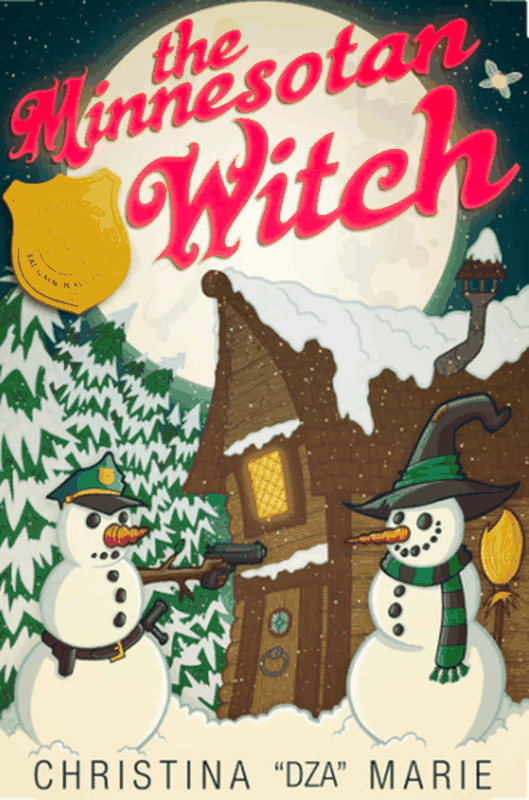
Blogging is tough.
Well, that's not entirely true. Successful blogging is tough. You need to come up with, write, and edit at least one blog post a week. You have to promote on social media. Put together and send out a newsletter. Keep the rest of your website updated. Connect with guest bloggers, or other blogs where you can be the guest blogger. And this is in addition to the rest of your life: family, friends, hobbies, a "real" job (or two), maybe even school. So how do bloggers stay on top of it all? The key is organization. And I can hear my entire family laughing even as I write this. At first glance, I am one of the least organized people out there. But as I keep telling them, I'm just messy , not unorganized. All my crap gets everywhere, I never do chores, and I have a bad habit of procrastination. But I love making calendars and schedules, and I've found ways to cheat my procrastination. This is mostly done by creating little deadlines. For example, I usually make one YouTube video/podcast episode a month. I break that entire process down: one week for making the script, one week for recording it, two weeks for editing. I tell myself "I have to have this part done by Saturday the 9th," which means it gets done on Saturday. But hey, it works, because I'm not rushing the entire process at the last minute. Now, organization is a little different for everybody, and it can evolve over time. I wrote a post back in June 2019 about staying organized for bloggers, and I'm amazed at the differences that've appeared in myself since then. What works for me now may not work for you; everyone needs to experiment to see what works best for them. So I'm going to list some of the most useful ways I've found to stay organized for you to try. And let me know what ways you've found to stay organized in the comments so I can give them a shot! #1: Bullet Journal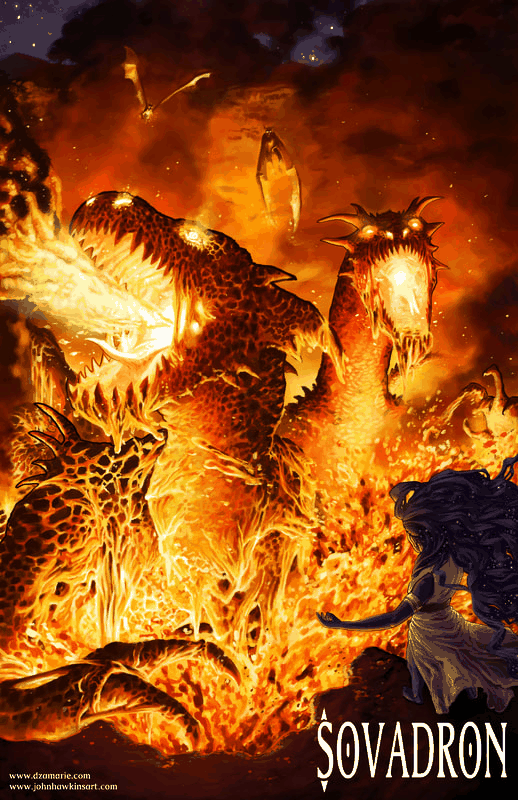
I would be totally lost without my bullet journal. For those of you who don't know, a bullet journal (or bujo) is basically a calendar/to-do list/planner/diary hybrid that you create yourself. Some people turn them into sketchbooks with monthly spreads. Others are bare-bones lists and dates.
I do the whole monthly/weekly/daily spreads to keep all areas of my life pinned down. But there are some spread specific to writers and bloggers that I have found particularly helpful. My "Books of 2020" spread is a list of all the books I've read this year so far. Not just the ones I've reviewed, but all of them. This is useful for when I do lists (favorite/least favorite books), and when I do a "year in review" style post in December about the best books of 2020. I have a page of general Writing Deadlines, where I write the due dates for Diary of the Green Snake and my BitchShelf articles. I also keep my yearly writing goals, like getting an agent for my scifi novel Citadel and getting beta reader feedback for my fantasy manuscript. A page that is quickly running out of room is my Idea Page, specific to blog and YouTube ideas. I saw a vlogger use post-it notes, so that whenever she ditched or did an idea on her page, she just had to remove the post-it note, and that would give her room to replace it with a new idea. But I'm always afraid of the post-it notes falling, so I just write it down traditionally and cross it off when I do it, trying to find little bits of space to cram more in the corner. There's also a section within this page for TV shows and movies I want to watch and review, which should probably be a spread all on its own. And of course, there's my blog schedule. I tend to plan all of my blog posts out at least a month in advance, which saves me a lot of time and headache. As you can see in the picture above (which was taken in mid-April), I have columns for each month and the post date, with plenty of room to write. If I have to reschedule something, I black it out with marker and use a white gel pen to fix it. (Using a pencil and eraser poses the very real risk of creating a hole in the page, which is why I prefer the pen.) #2: Story Journals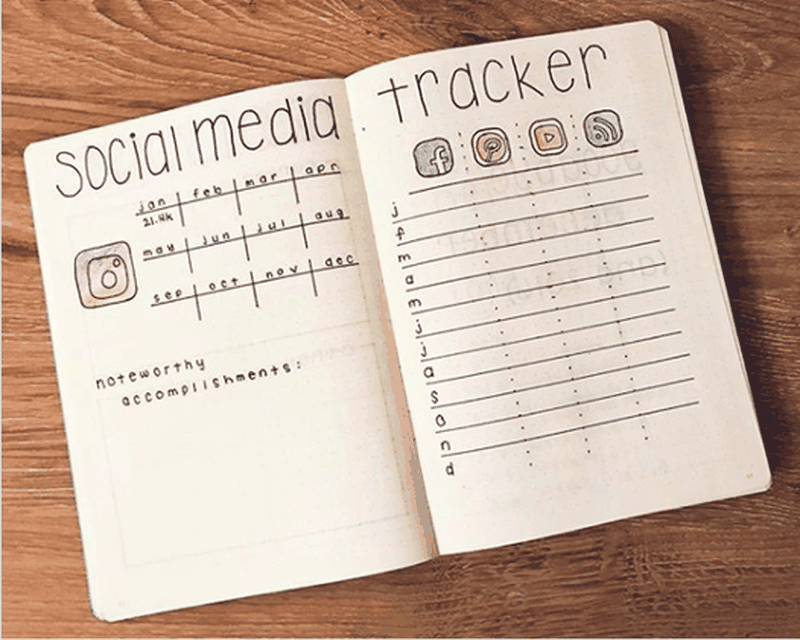
I am a journal hoarder. Every journal I have has a specific purpose. There's the obvious "dump journal," the ones full of random story ideas and shoved on my bookshelf for when I need inspiration.
But specific to organization, there's an even crazier method. Every book/series I'm working on has its own journal that includes character sheets, overly-detailed histories of the world, and notes on plot and narrative arcs. Diary of the Green Snake has one. Earth's Final Chapter has one. Citadel --my sci-fi work in progress--has a whole binder. Wasteful? Probably. I've started digitizing this. (Thank you, Scrivener.) But few things beat old fashioned paper and pen. Point being, everything that I need to know about any project--the religious practices of Citadel , historical notes of the Old West for Green Snake , character sheets for Earth's Final Chapter --are all in their own notebook. Other authors call this "the book bible" or "series bible," a single place for all the necessary notes of a story. I'm not flipping through a dozen dump journals trying to find a minor character's backstory or re-researching something I already looked up. I'm not skimming hundreds of pages of random story ideas to find the one note I need to confirm before I resume writing an important scene. Each story/series has its own book. For the Citadel binder, I went further and added dividers for characters and cultures. It makes locating key facts much easier. #3: Accountability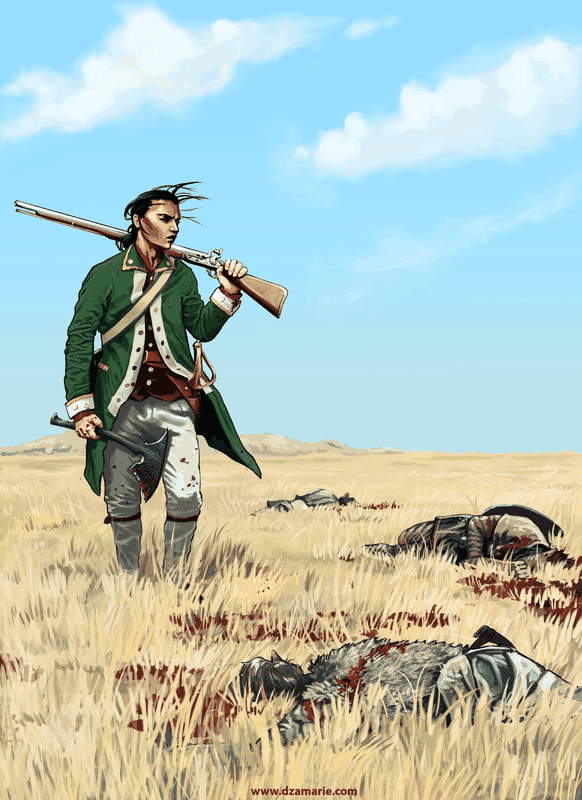
I don't know about you guys, but unless I have someone or something holding me accountable, the thing I want to do almost never gets done.
Accountability has many different forms. For most writers, it's a terrifying creature known as the editor. Editors give hard deadlines, and if writers don't meet them, it's a shit storm. Bloggers, on the other hand, don't usually have editors. Most of us are solo. There is no one person, no authority figure, holding us accountable if we post a day late, or even skip the whole week. Except your readers. Once your readers get used to a certain pattern from you (in my case, a blog post every Sunday and podcast every month), they will wonder if you don't stick to it. One of the biggest "secrets" to a successful blog is consistency . If you're not consistent, you will lose readers. This way, if I fail to post on time, my readers--especially the ones who financially support me on Patreon --will know. And that's an excellent kick in the pants.
What are some ways you stay organized? Let me know in the comments so I can give it a shot!
This Mothers' Day, here's something that has absolutely nothing to do with mothers!
Ice Massacre , Ice Crypt , and Ice Kingdom by Tiana Warner
Spoiler-Free Review
A long,
long
time ago, I reviewed the first book of this amazing trilogy,
Ice Massacre
.
I even interviewed the author,
Tiana Warner
.
Then I got distracted by other shiny books for three years until quarantine forced me to face my ever-growing reading pile. Now I'm reviewing the entire trilogy at once. Mermaids of Eriana Kwai is a "What if flesh-eating mermaids existed in the modern day" story, complete with a forbidden romance, violent war, and a taste of political intrigue. Mermaids exist peacefully all over the world, but for some reason they're targeting this one island--Eriana Kwai--in a ruthless war of extermination. They're overfishing the waters so the humans starve, destroying any and all boats that leave shore, even going onto the beach to kill people who stray too close to the water. In response, the people of Eriana Kwai do the yearly Massacres, where twenty men go out on a war ship to kill as many mermaids as possible. This hasn't had much luck, given that mermaids have a siren-like ability called the lure that hypnotizes men. So, at the start of book one, the island gets over its sexism, wises up, and sends out women. This is a problem for a variety of reasons, the largest being that Meela--the main character--has a mermaid friend named Lysi who eventually becomes her girlfriend. As it turns out, the mermaids are being ordered to Eriana Kwai by their tyrant king, Adaro. Lysi and several rebel groups don't want any part in this war and are trying to overthrow Adaro. So after the first book, which is focused on Meela trying to survive the Massacre, she and Lysi try to kill Adaro through a variety of assassination attempts, including unearthing a horrifying living weapon of mass destruction: the Host of Eriana Kwai. The trilogy is mostly first person POV, but it gets complicated after Ice Massacre . In the first book, it's exclusively Meela's point of view. In Ice Crypt and Ice Kingdom , the POV flips from Meela to Lysi. Then we get a third person POV, an American soldier named Ben, in Ice Kingdom to get the broader, global perspective of the mermaids' actions. It gets a little confusing at times, and I wish Warner--and every other writer who had multiple POV characters--would just stick with third person POV so we know whose head we're in. Because the POV is also limited to these characters, we miss some of the action in the final book, Ice Kingdom. There are several political factions working to get rid of Adaro and bring peace to the oceans for their own reasons. While Meela and Lysi are doing their mission, these factions are doing their own thing, but we don't actually see it. Which is a small problem, because it's vital to the plot. I'd have liked to see all these interesting, intense scenes myself rather than hearing about it second-hand. But while those scenes are important to the plot , they're not important to the story , so I can see why Warner elected to cut them out. The emotional center of the story is, of course, Lysi and Meela's relationship, as well as Meela's character development. Lysi doesn't change much over the course of the trilogy, but Meela does. She has to reconcile her people's hatred of and hurt from mermaids with not only her personal feelings for Lysi, but also the fact that mermaids are people, too. Then, when Adaro starts acting more dickish than usual, she struggles between her desire for revenge and what's best for the world, both human and mermaid. While I have my complaints about this trilogy, I will never complain about Warner's characters or her writing. These books are intense , and as Warner is very liberal with the character deaths, you're very quickly worried about the fate of major characters. She also throws in some excellent plot twists in Ice Crypt and Ice Kingdom , so I'm always kept on my toes. This is technically a YA novel, but it can be read by anyone ready to see blood, gore, and tyranny overthrown by more than a band of plucky eighteen-year-olds. And it's landing solidly on my Favorite page. |
What's This?The first Dragons, Zombies and Aliens blog was started in 2015. Somewhere between college coursework, paying rent with door-to-door sales, and keeping up with my sorority sisters, I wrote reviews, rants and commentaries on books, TV shows, and movies. Now, this blog has moved, improved, and the sky's the limit! Categories
All
Archives
July 2020
|
 RSS Feed