Christina "DZA" Marie
  • Home
  • About Me
    • Bio
    • Review Policy
    • Contact
    • My Favorites >
      • Books
      • TV Shows
      • Movies
  • Published Works
    • Earth's Final Chapter
    • Novellas & Shorts
  • For Writers
  • Blog

Dragons, Zombies and Aliens ​:
​The Blog

Moving to YouTube!

7/29/2020

0 Comments

A couple of years ago, I started a YouTube channel--also titled Dragons, Zombies & Aliens --that is now starting to get some traction. To the point where I've started doing weekly videos every Sunday.

The unfortunate fact is I cannot keep up with both a weekly YouTube channel and blog. So I am officially moving my weekly rants, reviews, and lists to YouTube.

This website will still be kept up-to-date, the newsletter will still be set out, and I'll still likely use this blog platform to make announcements as needed. I just won't post anymore blog posts.

Check out my YouTube channel here .

If you want to know what I'm filming ahead of time, as well as early access to the videos, join the community on Patreon !
0 Comments

The 8 Character Archetypes

7/26/2020

0 Comments

We've all heard of the Hero's Journey, one of the oldest story structures in literature. If you've somehow managed to avoid hearing about this trope, I'll direct you to my podcast about it here .

In addition to the story structure, the Hero's Journey comes with eight character archetypes, or types of characters that we see repeated across various media. These eight characters appear in almost every story you've ever read, and that's what we'll talk about today.

One important note: archetypes are characters, but characters should not be just archetypes. You don't want the entirety of a character's identity to be "the herald" or "the guardian," or you're going to have a very flat character, and thus a very boring story.

​Many characters play the role of two or more archetypes over the course of a single story. Or the story will drop an archetype completely if their hero doesn't need a mentor. Sometimes these archetypes aren't even characters, but events or forces of nature. Survival stories don't really have a "villain," just a nasty setting and series of rough obstacles.

The eight archetypes are good to know for inspiration, and to better understand the inner workings of your own story. So feel free to use the archetypes, but make sure to actually flesh out your characters in a way that they're filling their roles because they have their own reason, and not "the author told me to."

Hero
Picture
The hero is, unsurprisingly, the main character. The guy we're rooting for. Our eyes and ears into the crazy world they're about to join.

Using the Hero's Journey as a template, the hero starts off in their Ordinary World, whatever that may be: the modern human world, a farm, a near-future dystopia, whatever.

In the Hero's Journey, they're flawed. Regular. Relatable. Sometimes you get a James Bond or John Wick, but usually it's more of a Neo or Katniss. Sometimes they're happy and content with their lot in life. Other times, not so much.

The hero is usually the first character we meet in a story, and they're always the one we as an audience spend the most time with. I'm not going to tell you how to write a compelling hero. There are already a gazillion blog posts and YouTube videos about that, and we've got seven more archetypes to meet.

​Bottom line: our hero is our main character living their ordinary life, until the herald shows up.

Herald
Picture
The herald is the person/creature/event that tells the hero and audience "shit's about to get real." They give the hero their Call to Adventure, bringing about major change in the hero's life and direction of the story.

Going into deep symbolism, the herald represents the hero's internal need for change, that the hero cannot stay as they are. They must change their ways and step into act two.

Sometimes the herald is not a character, but an event. Specifically, the catalyst. Or they're the character who plays a major part in the catalyst, like how Effie Trinket in The Hunger Games is just the person pulling names out of a jar. She's not the catalyst herself, but she is the character who triggers the necessary change needed for Katniss to volunteer, and that makes her the herald.

Think R2D2 in Star Wars , bringing Leia's distress message to Luke Skywalker. Of course, R2D2 does more than just drag Luke into the story. Most heralds either go on to be allies, mentors, or antagonist.

Mentor

Picture
Now that the story is kicking into gear, our hero needs to know the ropes. They need a training montage, a guide to the second act's special world, or some equipment.

Enter the mentor, one of the most identifiable character archetypes in storytelling.

The traditional mentor is your Obi-Wan, your Gandalf, or some other wizened old person who takes the hero under their wing. They might need a little pushing and prodding to get their elderly butts into gear, or perhaps they doubled as the herald and are directly responsible for involving the hero. Either way, they're an invaluable ally, with a wellspring of knowledge and usually some sort of parental role for the hero.

Thus, they have a very high mortality rate. Killing off these kinds of mentors serves not only to deal an emotional blow to your audience, but also drives the point home to the hero that it's all down to them.


But old white guys in robes and pointy hats aren't the only option. Sometimes you get reluctant mentors who literally have to be dragged kicking and screaming to teach the hero (Peter Parker in Into the Spider-Verse ).

Sometimes the mentors are actually villains who have been raising the hero to be a villain (Ra's al Ghul in
Batman Begins ). These mentors either switch sides and join the hero--usually with some sort of heroic sacrifice--or they end up as the Ultimate Villain/shadow and have to be taken down.

​Sometimes the mentor is a young child who inadvertently teaches the older, grizzled hero about life (Russel in
Up ). These types of mentors can even have their own character arc alongside the hero's, making for a richer story.

Overly Sarcastic Productions goes more in-depth about mentors in their video here , but the bottom line is mentors come in a variety of flavors, each tailor made for their hero.

Ally
Picture
If the mentor character teaches the hero how to survive their crazy new world, the ally character supports them. That isn't to say an ally's world should revolve around the hero; that would make for some very poor characters. But allies are just as invaluable to the hero as the mentor and, when done right, usually have their own personal character arcs.

If the hero is Tom Cruise in Mission Impossible , his allies are the people hacking the cameras or distracting the guards while he runs around punching people.

Hermione Granger helps Harry research illegal spells and potential suspects while Ron gets him in and out of trouble.

Han Solo is, at first, very reluctant to help Luke rescue Princess Leia and only does it for reward money. But after overcoming his own personal demons, he becomes one of Luke's best friends and staunchest allies.

In addition to plot relevance, allies help humanize your hero. The best characters are given multiple environments and situations to grow and allow their audience to see all the different sides of them. T

​he plot gives us ample opportunities to see how our hero overcomes obstacles and bad guys, but the best way to characterize your hero is to throw other characters at them and see how they react. How do they make friends? How do they interact with their peers? If they're some sort of leader or military officer, how do they treat their subordinates? Their family and friends? How your hero treats their allies tells us more about them than a million fist fights.

Guardian
Picture
Also known as the threshold guardian, these characters serve to test the hero before they can go further. One of the most adaptable archetypes, guardians can be anything, from literal guards at the gate to reluctant mentors initially refusing to teach the hero to eventual allies.

Traditionally, guardians serve as the hero's first obstacle, right before they can get into Act Two. In The Dragon Prince , Callum and Ezren have to make it past their own aunt before properly starting their journey. She's not malevolent; she just doesn't want her two underage nephews to undergo a long, dangerous journey with an elven assassin who tried to kill them in the last episode. It's a fair argument.

But guardians also appear elsewhere in the story. They're the villain's henchmen guarding his evil castle that the hero has to either bribe, trick, or defeat in order to enter. They could be protecting a macguffin the hero needs to defeat the villain. They could be a giant monster threatening the princess in the tower.

Guardians are either killed, defeated and then forgotten, or turned into allies. It all depends on their character and the hero.

Shapeshifter
Picture
There is a thin line between hero and villain, ally and threshold guardian. The shapeshifter uses that line as a jumprope. Their loyalty is almost always in question, and they can have some of the most radical character development throughout the course of the story.

​These are the characters who start off as the ally's girlfriend only to betray him at the last moment. Or they'll start as the villain's henchman and end as the hero's best friend. Or they'll be a morally gray third party, constantly flipping between helping the hero and helping the villain, constantly looking out for themselves.

Zuko from Avatar: the Last Airbender is a terrific example of this, especially in season two. He alternates between trying to capture the Avatar (objectively bad) and helping downtrodden villagers get food and shelter (objectively good). It's not until halfway through season three that he settles firmly into ally/mentor territory.

Gollum from Lord of the Rings is another excellent example.

Trickster
Picture
Sometimes delegated to plain ol' comic relief, the trickster exists to lighten the mood and shake things up. Benevolent tricksters double as allies, cracking jokes and pulling pranks while helping the hero reach their goal. Or, like Dobby, they might think they're helping the hero, but in fact are making their situation that much worse.

​Sometimes tricksters double as mentors: they're weird, funny, maybe fool the hero into doing household chores for them under the guise of serious training, but ultimately imparting much-needed wisdom and knowledge onto the hero.

At the other end of the spectrum are characters like Loki: malevolent, violent, sometimes full-on villains. They think it's hilarious when their pranks end with someone dead.

In the middle are neutral tricksters who mostly look after themselves and really only show up in the story to cause chaos and problems for the hero. Maybe they have a macguffin the hero desperately needs. Or they'll be shapeshifters, bouncing back and forth between heroism and villainy depending on which side is safer or more interesting.

Shadow
Picture
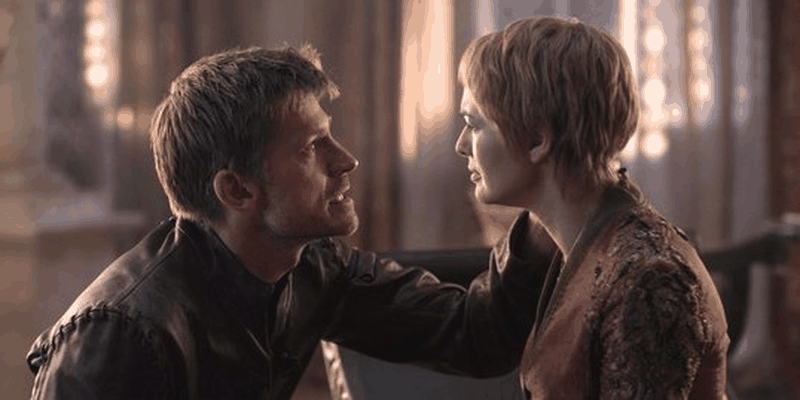
The shadow archetype is the main force opposing your hero, usually represented by an adequately threatening villain. But it's much deeper than that. If someone asked you who the shadow is in Star Wars , you'd probably say "Darth Vader." That's not wrong, but the fact is every main character in the Star Wars saga struggles with the Dark Side, some more successfully than other. The Dark Side is just as much a shadow as Darth Vader.

The Lord of the Rings gives us two shadows: Sauron and the One Ring with its tendency to bring out the worst in everyone around it.

​The shadow of The Martian ​is the planet of Mars itself.


Shadows can be internal or external or both, depending on your hero. They almost always prey on the hero's greatest weakness. If the hero wants to defeat the villain, they have to defeat their inner demons, first. Both of them count as the shadow.

    Never miss a post! Sign up for the weekly Dragons, Zombies & Aliens newsletter:

Subscribe to Newsletter

Thank you to my patrons!

Picture
become a patron
0 Comments

We Need to Ditch the "Strong Female Character"

7/22/2020

1 Comment

This post originally appeared on this blog in 2017 , and again on the Bitch Shelf column in 2018.
Picture
From Reddit
Most of us have at least heard of the term "strong female character." Whenever the director of the latest action flick says their token girl is a "strong female character," or the author of a thriller swears up and down that his work isn't sexist because he's got a lot of "strong female characters" in it, it sets most of the audience at ease. We picture an attractive woman, probably in some sort of tight-fitted outfit, armed to the teeth with gadgets and weapons suitable to whatever setting she's in.

But there's a problem with the strong female character.

Okay, a lot of problems. We're going to go into them in detail.

​The biggest issue is that they're a cookie-cutter token that's usually sexualized and designed for the cis male audience rather than the women she supposedly represents.

What is the "Strong Female Character"?

Strong female characters--or SFCs--were originally designed to be the polar opposite of the damsel in distress archetype. By which I mean she's a female character who's very good at traditionally masculine skills: combat, computers, motor vehicles, etc.

Some stories do this very well. Google "strong female character" and the images that pop up are Princess Leia, Ellen Ripley, and Hermione Granger, all of them well-written, three-dimensional characters that are now culture icons.

But most stories flop.

The SFC has become a cinema cliche, a diversity item to cross off of a writer's list so they can claim their work is inclusive. But the SFC runs into a host of problems in most stories she appears in that undermines the writer's--often genuine--efforts to create an inspiring female character.

The Problems with the "Strong Female Character"
​#1: What Does it Even Mean?

Picture
What the hell does "strong" mean?

This is a serious question. What does the "strong" in "strong female character" actually mean?

It can't be "physically strong/muscled," because that would exclude Hermione Granger and Nyota Uhura. They rely on their brains and other skills to achieve their goals.

It can't be "trained in martial arts" or "good with a gun," because again: Granger and Uhura, plus Shuri who--while amazing--is pretty useless without her technology.

Those of you who are authors might think the "strong" stands for "strength of character" or "great narrative arc," except as we'll see, our SFCs usually fail that test, too, either shunted off as tokens or winding up as damsels in distress anyway.

So right out the gate we have problems with our definition, and that's not even touching on the word "female." What if your character is assigned male at birth but identifies as a woman? Or is genderfluid? Or agender? Or is anywhere else on the trans/non-binary spectrum? Or the opposite: if a gun-toting, leather-clad hero identifies as a man but was assigned female at birth, do they still make the list?

We all know what a "strong female character" looks like. She's a trim (never "fat"), usually white, sixteen-to-thirty-five-year-old cisgender woman who is, on top of everything else, conventionally pretty.

This is the character in all the movies that make all the lists of "best women characters" or "best female characters." And it's shockingly exclusive. Despite how weirdly vague the term itself is, there's only one kind of "strong female character" anyone ever thinks about or sees.

#2: No Character to Speak Of

Picture
When an SFC is done right, she has character. Depth. Personal issues and turmoils that she has to overcome. Think Buffy the Vampire Slayer. Sure, it's fun to watch her fight monsters, but what makes her an icon is her struggle to balance a personal life with her responsibilities as Slayer.

Not so with most SFCs. Half of the time they're tokens, being the only woman or femme character in the entire cast while the majority of the movie follows the male lead. When they do get screen time, we don't get to see a whole lot of... character .

I'd say the Avengers franchise is particularly guilty of this. Outside of Captain Marvel , whose arc is contained to one movie, the vast majority of the characters are (white) men. Despite Wanda and Natasha coming from interesting backgrounds and moral dilemmas, their characterization revolves mostly around their relationship with men. As soon as Natasha and Bruce Banner ultimately decide that it's not going to work between them in Endgame , she gets killed off. Because of that, I'm genuinely worried about how they're going to handle her in the upcoming Black Widow movie.

That brings me to the next point...

#3: Love Interests Only

Picture
My most hated foe.

So many women characters have had their potential squandered by getting roped into a half-baked love interest that has no business being there in the first place.

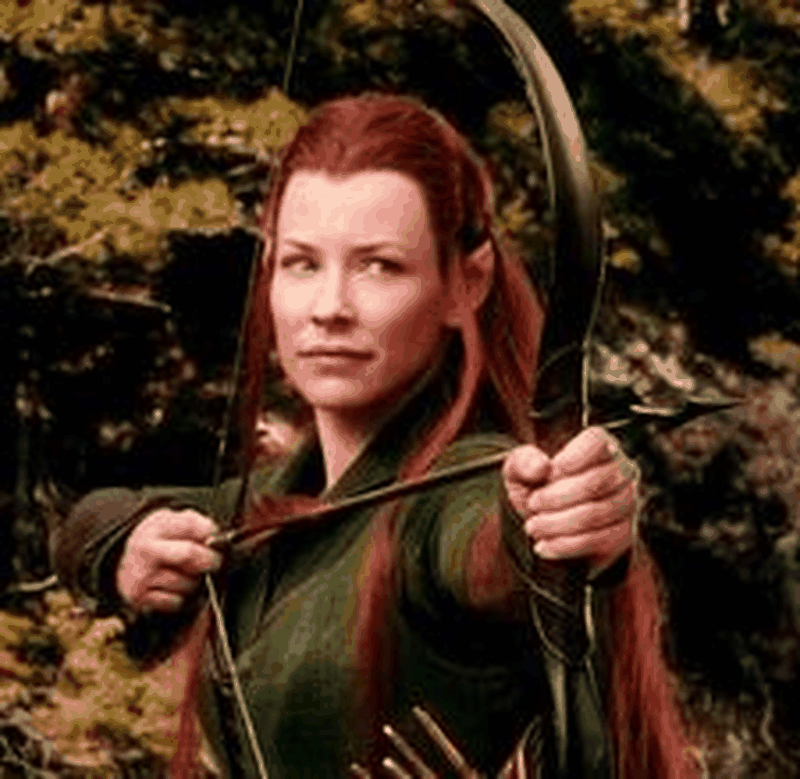
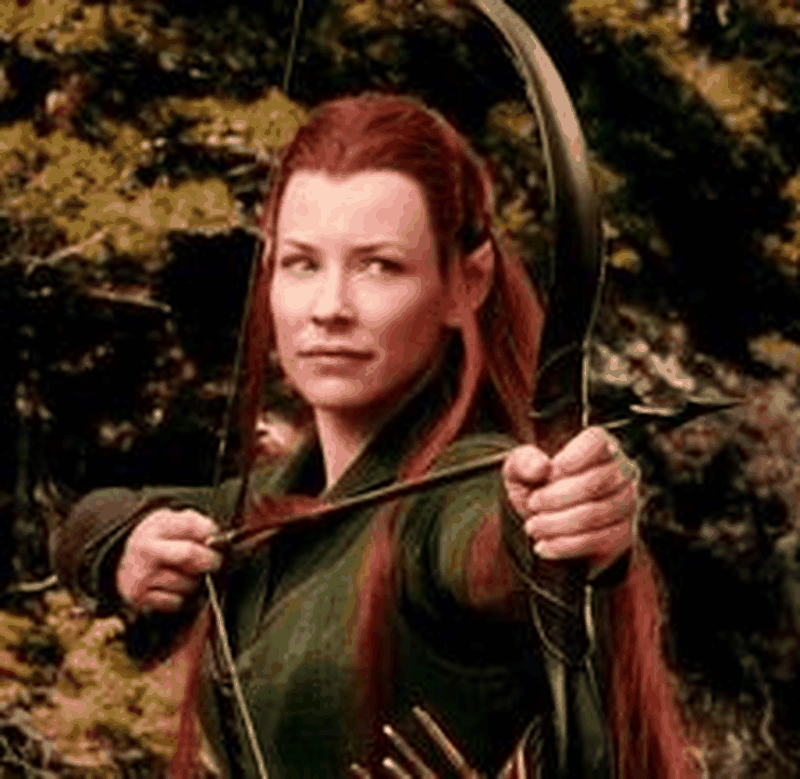
The greatest offender in recent memory is Tauriel from The Hobbit. Our first impression of her is an incredible fighter who doesn't like (or at least, doesn't trust) dwarves. She's the only woman in the elven boy band of fighters in a patriarchal society, so how did that happen? She's implied to be of a lower class of elves, which is why the elf king doesn't want her hanging around Legolas, so how did she become such a high military rank depsite all of her social handicaps?

There's so much potential for her. Maybe, when she hears about the dragon hoard in the mountain, she tries to claim it for her kingdom. Or perhaps she ends up befriending one or more of the dwarves like Legolas did with Gimli and goes through her own arc of growth and acceptance of other races. Or maybe she still has to prove herself to her people because of her class and/or gender, and decides going out to fight a dragon or a bunch of orcs is the best way to do that, kind of like Eowyn.

What did the writers decide to do? Stick her in a love triangle with Legolas and Kili. That's the only way we see any part of her characterization, and it ultimately proves futile because Kili dies, Legolas goes looking for Aragorn, and Tauriel herself...well, we have no idea what happened to her after she was done crying over the dead dwarf. When the romantic subplot ended, so did her importance to the story.

#4: Still Damseled

Probably the worst offense of the strong female character is that, nine times out of ten, it fails in its original purpose. The SFC was designed as a counter balance to the damsel in distress. A femme character whose background, skills, and/or personality would make it theoretically impossible for her to become kidnapped and stuck in a tower to await rescue.

And yet most SFCs end up the damsel in distress anyway! Gamora in Guardians of the Galaxy (twice in one movie), Valka from How to Train Your Dragon 2 , Lucy in Despicable Me 2 , most of the Doctor's companions in Doctor Who , and several more.

So...what's the point? Why have a "strong female character" if she needs to be rescued anyway?

How to Fix the "Strong Female Character"

Picture
Ideally, we'd live in the world where we could just focus on strong characters, and that they'd be fairly representative of men, women, and LGBTQ+ populations without question.

Unfortunately we don't live in that world just yet. We have to put serious effort into creating and finding minority characters in media, which is why people still use the term "strong female character" when they're trying to tell people that they have a strong character who's female.

If you're writing a story--a book, a movie, whatever--and want to include an SFC, change the term, first. We'll keep "strong," simply because that's the only way we can differentiate between good and weak characters right now. But use "femme" instead; that's a far more encompassing term that typically includes anyone who identifies as a woman in some way.

You're writing a strong femme character. Good. I'll direct you to my previous blog post on writing women characters to help with the character creation.

The process is shockingly similar to writing cis male characters. Treat your femme characters with the respect you give your masc characters. If you damsel a woman, damsel the man. Give her a character and an arc outside of her love life, something Black Panther did very well.

And when in doubt, ask as many women you can to read your story and tell you when you're doing something wrong. They'll help.

What's an SFC you've seen done right?
What have you seen done wrong?
​Comment below!

    Never miss a post! Sign up for the weekly Dragons, Zombies & Aliens newsletter:

Subscribe to Newsletter

Thank you, patrons!

Picture
Become a patron
1 Comment

Book Review: the Diviners Series by Libba Bray

7/19/2020

0 Comments

A spoiler-free review of Libba Bray’s 1920’s historical fantasy series “The Diviners.” Think occult horror + the Devil Wears Prada + several romantic subplots.

If you’ve read “The Diviners,” what did you think?
If you haven’t read them yet, what historical fantasy novels have you enjoyed?

--

A list of my favorite books:
http://www.dzamarie.com/favorite_books.html

--

Follow me on Social Media!
Twitter: https://twitter.com/CM_DZA
Instagram: https://www.instagram.com/dza_marie/
Facebook: https://www.facebook.com/ChristinaDZAMarie

--

Patreon:
http://www.patreon.com/dzamarie
0 Comments

Top 7 Science Fiction/Fantasy Animated Series

7/15/2020

0 Comments

Animated shows--or "cartoons"--have a bit of a bad rep. While the concept of adult cartoons and introduction of anime to American media have done a lot to counter that attitude, plenty of people out there still believe that animated shows are "just for kids," or, worse, don't have good storytelling.

Bullshit.

I have compiled a list of seven of my personal favorite sci-fi and fantasy animated shows. These are a mix of kid-friendly and explicitly adult, with links to more in-depth reviews. So if you're thinking of venturing into the field of animated television--or are just looking for your next show to binge on Netflix--give one of these a try.

Avatar: the Last Airbender

Picture
Kid-friendly
Epic Fantasy
3 seasons, finished

Avatar: the Last Airbender is the best animated show for children, if not best animated show period , and that is not hyperbole. There's a reason I reference this show repeatedly in almost all of my "on writing" articles and videos: great worldbuilding, engaging plot, stellar characterization, heart-renching redemption arc, diversity, cute animals, intense fight scenes, catchy music, everything is just damn-near perfect.

If you haven't heard me gush about this show, Avatar: the Last Airbender follows the story of Aang, a twelve-year-old Chosen One who has to bring peace to a world at war for the last one hundred years. But all Aang wants to do is be a kid. Kind of hard to do when he's being chased by the entire Fire Nation and all of his people were wiped out in a genocide.

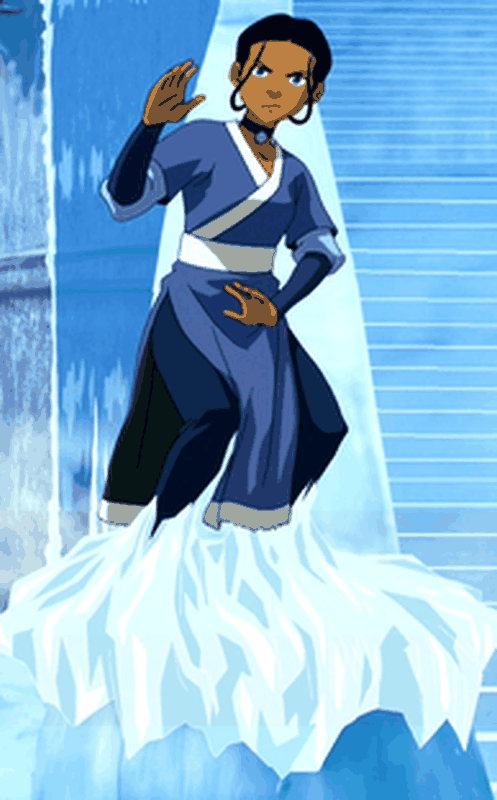
One of its greatest strengths is the nuance. Not everyone on team bad guy is evil. Not everyone on team good guy is a good person. And there's more than one morally gray character: the Fire Nation prince Zuko, the freedom fighter Jet, even Katara--the most heroic member on Aang's team--has some dark moments.

And yes, this is a kids' show ​doing this. I love it!

She-Ra and the Princesses of Power

Picture
Kid-friendly
Epic fantasy
5 seasons, finished

I'll admit, at the time of my posting this I am not done watching She-Ra and the Princesses of Power . But I've finished season four and will binge the rest of it by the end of the week.

It has a similar premise to Avatar : chosen one, war, save the world, etc. Also like ATLA, it has more nuance than the surface level good vs evil would have you believe. A lot more nuance.

There are two marked differences. The first is the chosen one in question: Adora starts the series a member of the Evil Hoard, having been raised by them since she was an infant. The minute she realizes that they're destroying the land and hurting innocent people, she joins the rebellion and becomes She-Ra, a powerful warrior with a variety of useful powers that she has no idea how to control.

The second difference, and what initially caught my eye, is the worldbuilding. While there's plenty of magical elements, it also has a lot of technology and science fiction elements, as well. Essentially, the world of Etheria blends magic with technology in a way I've never seen before.

It also has a lot more gay. Always a plus.

The Dragon Prince

Picture
Kid-friendly
Epic fantasy
3 seasons, unfinished

The Dragon Prince has one of the same creators and the voice actor of Sokka from Avatar: the Last Airbender , so I was all over this.

Also, it seems I have a thing for anti-war stories, because this follows the same concept as the other two: rag-tag group of kids set out to end a conflict that's been plaguing their world for the last several generations. This one doesn't have a chosen one, though, so that's a difference.

I broke this one down in detail in my review , but we've basically got a human kingdom that killed the dragon king of Xadia a while back and destroyed his egg, which triggers a band of elven assassins to go after the human king and his two sons. But one of the elves discovers that the egg wasn't destroyed, but rather stolen, and she works with the two human princes to make things right between their peoples.

Fullmetal Alchemist: Brotherhood

Picture
Young adult
Epic fantasy
64 episodes, finished

Fullmetal Alchemist: Brotherhood is an anime based on the manga Fullmetal Alchemist . It follows a pair of teen brothers who seek the Philosopher's Stone so they can fix their big magical screw-up. They tried to bring their mother back from the dead and it did not go well: the eldest brother Ed lost an arm and a leg, and the younger brother Alphonse lost his whole body, so now his soul is attached to a suit of armor.

To do this, they join the army in their highly-militarized country, which is hiding a big secret going back centuries and proves deadly to anyone who gets too close.

The magic system here is alchemy, and heavily science-based. You can't make something without giving up something of that exact same value, which is why bringing people back from the dead never works. For instance, in an earlier episode, Alphonse uses the broken pieces of a radio to make a brand new one. This makes for some creative problem-solving on Ed and Al's part.

To the Abandoned Sacred Beasts

Picture
Adult
Epic fantasy
1 season, unfinished

During a nasty war, one side resorted to illegal magic experimentation and turned their soldiers into shapeshifting monsters. They can change at-will into terrifying god-like beings with unique powers that ultimately won the war. The problem is they slowly lose their sanity and humanity, stealing from and murdering innocent people instead of soldiers on a battlefield.

To make matters worse, when the war ended, their captain Hank--our main character--was betrayed and shot before he could find a way to fix it. Two months later, all of those unstable, insane supersoldiers are back home, endangering their families and communities. So Hank, left with no other choice, hunts them down one by one.

Like Fullmetal Alchemist: Brotherhood , this show is inspired by a manga. But as I said in my review , I actually prefer the anime to the manga. Season two was supposed to release this year, but with COVID throwing everything out of whack, who knows when that'll happen?

Rick & Morty

Picture
Adult (rated R)
Science fiction
4 seasons, unfinished

If you haven't heard of Rick & Morty , can I come over to the rock you're hiding under? It sounds fantastic.

It's genuinely difficult to pin down what, exactly, I like about this show. Normally I prefer stories with hopeful messages and less chaos. Rick & Morty is full of dark humor, near-irredeemable characters, and a "screw it, I do what I want" attitude toward worldbuilding. And yet, I love it.

As Rick says, "don't think about it." Just enjoy watching a dysfunctional family have crazy space adventures.

Season five will hopefully start sometime next year, which is probably the earliest we can hope for with the pandemic.

Castlevania

Picture
Adult (rated R)
Historical fantasy
3 seasons, unfinished

When Dracula's wife is murdered by an overzealous bishop, he decides that humans suck and declares war on all of humanity, unleashing his undead army to butcher them all. A trio of heroes--a vampire hunter, a mage, and Dracula's own half-vampire son--fight to stop him.

As I said in my review , Castlevania is a very grimdark story. Almost everyone is either a villain or anti-hero, and only half of the story is actually dedicated to the heroic trio. The other half is spent on the infighting in Dracula's forces. But it's also got a handful of genuinely bright, funny moments.

Season four likely won't premier until the second half of 2021, but if the other seasons are any indication, it'll be well worth the wait.
What are your favorite sci-fi/fantasy animated series?

    Never miss a post! Sign up for the weekly Dragons, Zombies & Aliens newsletter:

Subscribe to Newsletter

Thank you, patrons!

Picture
become a patron
0 Comments

Bullet Journal Spreads for Writers and Bloggers

7/12/2020

0 Comments

I would be lost without my bullet journal (bujo). It's one of the few modern-day trends that I am completely, unabashedly grateful for.

I'm writing this post under the assumption that everyone here knows what a bullet journal is, and is looking for inspiration for some new spreads. Specifically, spreads for writers and bloggers to stay organized.

Most of these spreads are what I have in my own bullet journal, which also includes the rest of my life: chores, calendars, birthday wish lists, etc. But whether you bujo like me or you have an entire journal dedicated to just writing or blogging, you'll definitely find something here to help.

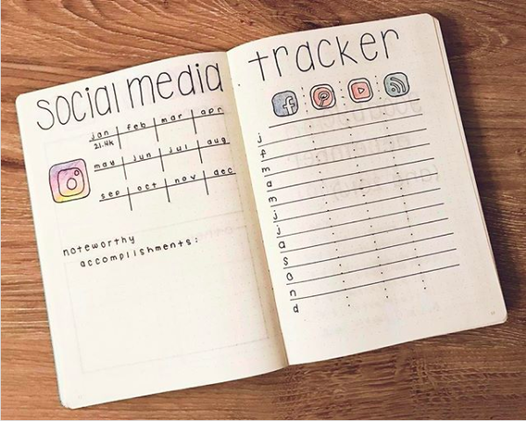
Note that I'm using pictures I've pulled from the internet (properly captioned) because my own spreads are messy and private.

Bujo Spreads for Writers

Picture
"Project Overview" Spread from The Boosted Journal YouTuber
  • Story ideas
  • Word count goals & trackers
  • Character bios
  • Settings
  • Deadline tracker
  • Self-editing tracker/checklist
  • ​Submissions tracker
  • Agent tracker
  • ​Editor tracker
  • Publishing dates

Bujo Spreads for Bloggers

Picture
Blogging Spread from Anja Home
  • Blog post ideas
  • ​Blogging goals (pageviews/engagement)
  • Blogging schedule
  • ​Blog post checklist (outlined, drafted, scheduled, posted, etc.)
  • Newsletter content
  • Newsletter sign-up tracker
  • Pageview tracker
  • Engagement tracker

Bujo Spreads for Both Writers & Bloggers

Picture
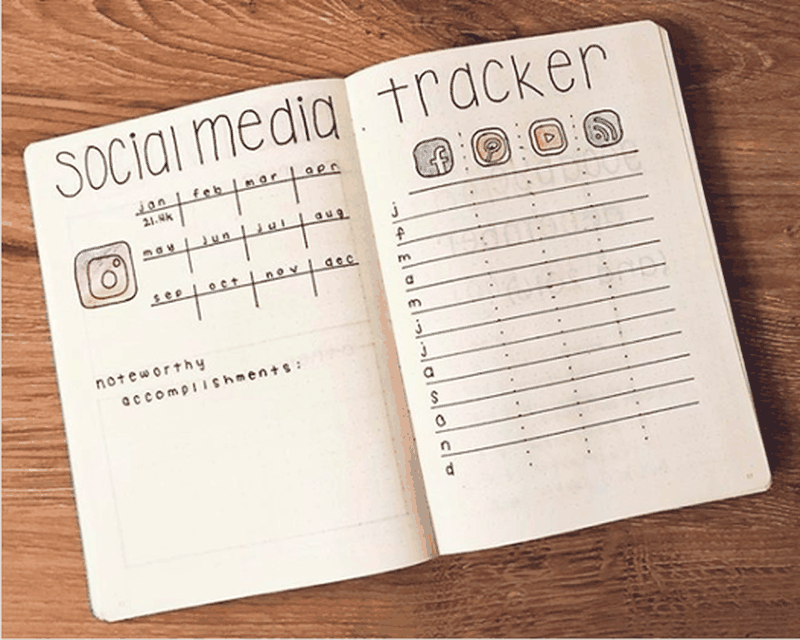
Social Media Tracker from Ashlyn on Instagram
  • Social media posting schedule
  • ​Hashtags list
  • Social media tracker
  • Network tracker
  • Marketing plan
Those are my spreads! What bujo spreads do you use as an author or blogger?

    Never miss a post! Sign up for the weekly Dragons, Zombies & Aliens newsletter:

Subscribe to Newsletter

Thank you, Patrons!

Picture
become a patron
0 Comments

Best 5 (Finished!) Fantasy Book Series

7/8/2020

0 Comments

Looking for the next fantasy series to read can be intimidating. Especially since George R. R. Martin burned us with not finishing A Song of Ice and Fire. (He says he's been making a lot of progress on the next book thanks to holing up from COVID, but I'm not holding my breath.)

In the interest of helping fellow readers find their next big read, I've assembled this list of five best fantasy book series (in my opinion) that are either completely finished or the last book has a definitive publication date within the next year.

These are my personal favorites, all of them pulled from my Favorites page, and the links--highlighted in blue--lead to more in-depth, spoiler-free reviews.

Rick Riordan's Percy Jackson 'verse

Picture
Young adult
Urban fantasy

This isn't so much one series as it is four series fused together.

We start with the Percy Jackson series and Riordan's debut into YA urban fantasy. The Greek gods are real and still cranking out kids. All the Greek monsters are real, too, and threatening the world. Percy Jackson, son of Poseidon, has to lead a bunch of other demigods to stop them.

Then we get into its sequel series, Heroes of Olympus , which tackles a whole new threat. This is also where we see true effort on Riordan's part to add diversity in his writing. Most Percy Jackson characters have ADHD and/or dyslexia, and there are several girl characters with various strengths. Heroes of Olympus includes several main characters of color and one major gay character.

Then we get the Magnus Chase trilogy and Trials of Apollo series, which both happen at the same time in-canon. There we get the full spectrum of LGBTQ+ characters, many of them canonically from the Norse and Greek pantheons, respectively.

Basically, we see Riordan grow as both a writer and ally as he incorporates more and more diversity in these funny, witty, action-packed stories.

All but the Trials of Apollo series is complete, and the final installment of that series-- The Tower of Nero --releases in October.

The Mermaids of Eriana Kwai Trilogy by Tiana Warner

Picture
Young adult
Paranormal adventure/romance

Indigenous girls using iron crossbows to hunt flesh-eating mermaids. What more do you want?

While this trilogy doesn't shirk from showing the bloody horrors of war, it is, fundamentally, a lesson of hope and love. Humans and mermaids have been at war for decades now, until a human Meela teams up with a mermaid Lysi to bring peace between their people, eventually ending up in a lesbian relationship. All while dealing with prejudices, tyrants, and PTSD.

Basically, you're getting an emotional shredder with this one. But it'll all be worth it.

Throne of Glass series by Sarah J. Maas

Picture
Young adult/new adult
Epic fantasy

This eight-book monster of a series follows several characters as they battle evil kings, wicked fae, and mind-controlling demons.

I've complained about the staggering number of romantic subplots in this thing, but Maas still tells a great story. There are mind-boggling plot twists, intense action, and amazing characters, most of them women:

We have Celaena, a teenage assassin who always has a crazy scheme going on.

Manon, the wyvern-riding witch warrior.

The rebel princess Nehemia working to undermine the colonizing tyrant king within his own court.

And several other rulers, leaders, and magic-users. Even if you don't like all of them, you'll love at least some of them.

The Kingston Cycle Trilogy by C. L. Polk

Picture
Adult (PG-13)
Epic fantasy

This extremely relevant trilogy takes place in a Victorian-style world where witches either have storm powers, or are used as battery packs for those that do. Slavery in a golden cage.

In addition to a neat magic system and frankly terrifyingly realistic dystopia, each book features a same-sex romantic subplot, which are both adorable.

The main character of the first book, Witchmark , escaped such a fate by running away from home to become a doctor. But then he gets pulled back in by his sister, has to solve a murder, and uncovers a horrible country-wide conspiracy theory.

The second book Stormsong is the immediate aftermath as the characters do damage control and try to save their homeland from itself.

The third book Soulstar will be released in February.

Dread Nation Duology by Justina Ireland

Picture
Young adult
Historical fantasy

In the American Civil War, zombies first rose during the Battle of Gettysburg. This created a drastically different but also familiar America. By 1880, when the first book starts, the rising dead is mostly (not really) under control, and the United States has something of a system, where black girls are trained to be Attendants to protect their rich (white) employers.

The two books take a very critical look at race in America. Dread Nation specifically picks apart the Reconstruction Era, while its sequel, Deathless Divide goes full-blown Western and criticizes how the "land of opportunity" was really only opportune to some.

The two main characters are also LGBTQ+ black girls: Jane is bisexual, and Katherine remains the only explicitly aroace character I've ever read.

Share your own favorite fantasy series in the comments so I can check them out!

    Never miss a post! Sign up for the weekly Dragons, Zombies & Aliens newsletter:

Subscribe to Newsletter

Thank you, patrons!

Picture
become a patron
0 Comments

Video: Top 10 WORST Female Character Tropes

7/5/2020

0 Comments

A list of the worst female character tropes I’ve ever had the displeasure of finding in books, movies, and TV shows, from the love interest to the “strong female character.” If you’re a writer working on their next story, I am begging you: please don’t include these horrible cliches.

What are your least favorite female character tropes?

--

Related videos/blog posts:


The Lone Vagina (video)

Damsels in Distress (podcast)

Worst Tropes: Romantic Subplot (video)

Worst Tropes: the Female Mentor (blog post)

How to Write Female Characters (blog post)

We Need to Destroy the "Strong Female Character" (article)


--

Follow me on Social Media!

Twitter

Instagram

Facebook


--

Support the YouTube channel and blog on Patreon here !

    Never miss a post! Sign up for the weekly Dragons, Zombies & Aliens newsletter:

Subscribe to Newsletter
0 Comments

7 Ways to Conquer Writer's Block

7/1/2020

0 Comments

Picture
Photo from The Yale Herald
Stop me if you've heard this one before:

You're sitting down to write, staring at the white page, wishing more than anything to fill it up with story. But no matter how much you try to will your fingers to type, the words just aren't coming.

Or perhaps you're doing everything in your power to avoid going even that far. The dishes need to be cleaned, the living room's a mess, and you should probably do your laundry. Anything to avoid sitting down and pushing out a story that is lodged somewhere in your head and refuses to come out.

Welcome to writer's block, the most notorious villain facing all authors.

If you've clicked on this blog post, you've probably struggled with this nebulous fiend before. Or perhaps you're currently caught in its clutches, trying to find a way to move past it so you can actually finish writing your book. In which case, I can try to help you.

What is Writer's Block?

This might seem like a stupid question, but it's worth clarifying: what is writer's block?

The official definition is "
the condition of being unable to think of what to write or how to proceed with writing." Basically, no matter how much you may want to write, something in your brain is stopping you from actually doing it.

There are two basic types: traditional writer's block and project block.

Project block happens when you're stuck on one particular story or project. You've started writing it, possibly even have an outline, but now you're halfway through and...you're stuck. This one is responsible for all the unfinished projects cluttering up your desktop and filling your drawers.

Traditional writer's block is when you can't write at all. Maybe you thought you had project block and decided to take a break from one story to work on another before going back, but the words aren't coming there, either.

Sometimes, writer's/project block is a sign of burn-out. If you've been cranking out two thousand words every day for the last month, then for Christ's sake, take a day off. Go to the beach, spend some time with friends, do whatever you need to recharge. Writing is like any job: sometimes, you just need a break.

Of course, if you've already tried that and the block is still there, then that's a whole other issue. Which is probably why you're here.

​Every author handles writer's block differently. I'm going to show you some ways that I, personally, push past it. I cannot guarantee that they'll work for you, but it's worth a shot.
Picture
Photo from Called to Write

How to Conquer Writer's Block: 7 Tips
​Tip #1: Making Writing a Habit

This is more of a preventative measure. Create a regular writing schedule. I try to hit at least two chapters a day, especially in quarantine when I have literally nothing else to do, taking breaks as needed. Someone else with a whacky work schedule may write every Monday, Wednesday, and Friday afternoon. Or maybe every morning before leaving for their shift. Or every other night while the kids are asleep.

Whatever the case, make a writing schedule. Once it becomes a habit, engrained in your psyche, it'll feel weird not to write. This will help prevent writer's block from happening at all, and make it easier to push through if it does happen.

Tip #2: Outline

Oh, boy. Here come the pitchforks.

I cannot function without an outline. Even if I know I'll probably change the outline as I'm writing, I still need that sense of direction. It's a map that I use to navigate my own story.

Other people--usually called "pantsers" because they fly by the seat of their pants--find outlines stifling and suffocating, and instead write their stories blindly and without direction. These people are crazy, and are to be feared.

I'm not saying that pantsers should move entirely to outlines. What I suggest is, if you're a pantser and get hit with the block, outline only the scene you're trying to write. You don't have to stick with what you outline; Lord knows I never do. But it'll help give you some sense of direction and hopefully snap you out of your snafu.

Tip #3: Find External Inspiration

Generally speaking, I'm wary of anyone who says they need some sort of external inspiration in order to write.

We're authors. It's our job to find that inner spark and create something from nothing. People who say they need to "be inspired" in order to write anything usually don't become professional authors.

However, that's not saying external inspiration doesn't have its place. Many of my story ideas come from other stories or world history. It can be a good starting point.

For dealing with writer's block specifically, sometimes you can trick your muse into coming back with a little help. I have a list of books and videos here that are specifically geared toward helping authors with worldbuilding, character, story structure, etc. They naturally get me thinking about my current work in progress, and that helps me beat writer's block.

Often I'll find that the reason I'm having trouble with a particular project is because there's an inherent flaw within the story itself that I'm not seeing. Not enough conflict, or the characters aren't developed as they should be, or some problem with the worldbuilding. Consulting an external source on that to find and diagnose that problem not only helps make the story better, but it usually clears up the writer's block as well.

Tip #4: Skip to the Good Stuff

Maybe you're really excited about some scenes in your book, but less hyped for others. Or you've written the opening and aren't sure how to write the transition to the catalyst. Or your characters are in a tough spot and you know they get out somehow, but for some reason that "somehow" isn't coming.

Just skip to the good stuff. Put a note in brackets, like this:

[characters escape by doing something clever]

or

[insert proper transition here]

​...and then move on. This leads directly to our next piece of advice...

Tip #5: Don't Worry about Quality

Sometimes, authors get so caught up with whether or not their writing is actually any good that they freak themselves out and ultimately create their own writer's block. I find this especially frustrating when authors are freaking out over a first or second draft.

I've got news for you: your early drafts will suck.

My early drafts suck.

Everyone's early drafts suck. It's not until we're self-editing, pulling in writing partners and beta readers, and plugging up those plot holes that our work gets anywhere near "passable," let alone "good."

Fretting about quality happens only in the self-editing stage, when your analytical brain is turned on and you get to do things like map our your story structure and look for grammar mistakes. In the creative process, when you're just putting words on paper, don't worry about quality. Console yourself with the fact that you can make it better later and keep moving. Momentum is everything.

Tip #6: Put Your Hands Up and Step Away from the Computer

Sometimes, you really just need a break.

The human brain isn't built to focus on one thing for long periods of time. That's why lots of authors advocate for writing sprints: set a timer for 25-30 minutes, write as much as you can in that time, then take a five minute break when the alarm goes off. Rinse, wash, repeat.

If you've been staring at the screen for a while, sitting at a cramped desk for over an hour while you try to force the words to come, stop.

Take a breath, stand up, walk away.

​Get a snack from the kitchen, take a walk outside, watch a funny cat video on your phone.

After your break, come back refreshed and ready to write. The words will come much easier.

Tip #7: Shut up and Write

Sometimes, you just gotta bite the bullet. Especially if you're on deadline, or you need to get this damn thing written so it'll stop keeping you up at night.

Outline the scene you're working on so you have some sense of direction.


Remember that the draft doesn't have to be perfect. You'll fix it later.

Skip to the good parts of your story that you're the most excited to write. Keep the momentum going.

​And write.

The best way to beat writer's block is to just beat it.

Visit me on social media:

    Never miss a post! Sign up for the weekly Dragons, Zombies & Aliens newsletter:

Subscribe to Newsletter

Thank you, Patrons!

Picture
become a patron
0 Comments

Guest Post: 10 Amazing Sci-Fi/Fantasy Books by Women

6/28/2020

0 Comments

Hello DZA readers! My name is Dan Ruffolo, and I’m the writer for the SFF review/article site Strange Currencies . Christina got in touch with me to see if I was interested in doing an exchange of guest posts with her, and this being my first chance to do something like that, I jumped at it. So here we are!

In light of the recent dialogue around publishing as an industry and a highlight of the ways in which advances and marketing budgets are leveraged primarily to the benefit of male, white authors, it becomes incumbent on us as reviewers to take up some of the slack on the marketing front and make sure our readers are made aware of the fantastic genre writing that already exists by women and WOC.

In the hopes of maybe encouraging you to branch out and explore inside the genre, I here and Christina over on my blog will each present a list of 10 great sci-fi or fantasy novels written by women (view her 10 picks here ). If we can encourage you to branch out to femme authors if you haven’t been, or help you discover some new authors, we can help change the idea that publishers are ‘taking a risk’ by supporting, marketing and selling authors like them, and instead make it business as usual.

A note on the list: For the most part I’ve either picked a specific book I particularly enjoyed by that author, or the first book in a series/their first novel. Almost all of these authors are still actively publishing new work, so don’t necessarily take my touting of a book from 20+ years ago as an indicator that they’re not still creating all kinds of excellent work, just as a pointer to the starting place if you want to get into their creations. A few of them link to reviews I’ve written on my site.

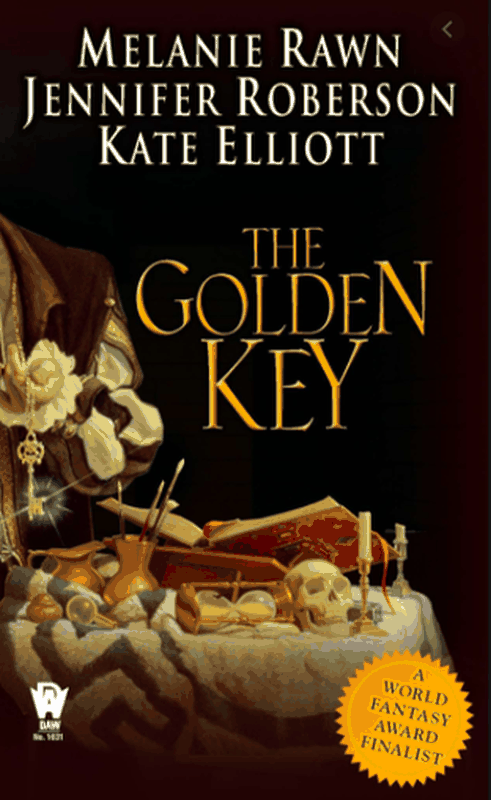
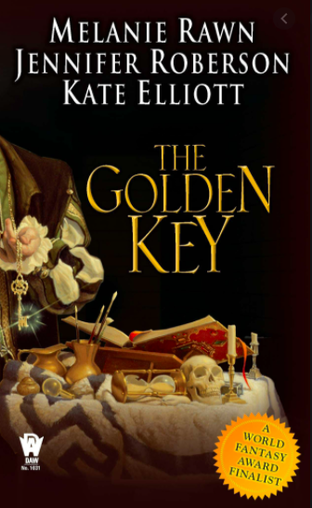
The Golden Key by Kate Elliott, Jennifer Roberson, and Melanie Rawn

Picture
While the list here is not actually ranked, I am starting with my favourite book on the list, and one of my favourite books of all time, the co-written Fantasy novel of epic proportions (running to nearly 800 pages): The Golden Key .

Telling the generations-spanning story of the Grijalva family, a family of painters with many subtle secrets, it includes one of the most interesting systems of magic I’ve ever seen. Melanie Rawn would go on to write another novel in this setting, T he Diviner , and to have collectively stopped at only two novels feels like a horrible waste, so incredible is this world and this novel.

Who Fears Death by Nnedi Okorafor

Picture
The first adult fiction novel by Dr. Okorafor, Who Fears Death was nominated for the Locus, World Fantasy and Nebula awards for Best Novel, winning one and surely deserving of the other two.

Handling the difficult themes of race, oppression, and weaponized rape with a grace and aplomb that would almost astound if she hadn’t made it look so easy, the story of Onyesonwu’s coming of age, coming to terms with her world, and quest for justice made this book...you don’t want to use a word like ‘enjoyable’ for a story dealing with such serious themes. I suppose I would say ‘compelling.’ But it was a journey I absolutely had to finish as soon as I started it.

A Darker Shade of Magic by V.E. Schwab

Picture
(A note on the linked review: As it says, it was based on a preview copy of only the first quarter of book one, and I was fairly unimpressed with it based on that. I went on to buy and read the full novel, and both of the others, and absolutely enjoyed the crap out of them, so take the review with a hefty dose of salt.)

One of the best examples of a parallel worlds fantasy I can think of, Victoria Schwab’s A Darker Shade of Magic is an absolutely fascinating look at London through the lens of Kell and Lila, denizens of the magic-rich Red and mundane Grey versions of the city. Fantastic pacing, a deep and rich story and an absolute top 5 ‘best female protagonists’ entry in the form of Delilah Bard, the three books of the Shades of Magic trilogy were a wonderful introduction to a great author.

Brightly Burning by Mercedes Lackey

Picture
While coming quite a bit later in the overall widely-spanning Valdemar series (being the 18th book chronologically and the 24th book by publication in a staggering 45-books-and-counting series) I’ve always held a special place for Brightly Burning both as a book in general, and a suggested entry point into the Valdemar world.

​In addition to being a stand-alone in what is often a sea of trilogies and duologies, the story of Lavan Firestorm is a deeply emotional and impacting one for anybody who has ever been an outsider. One of the first times I ever cried reading a book.

Fool’s Assassin by Robin Hobb

Picture
Robin Hobb was one of those authors that I knew for years and years I should read, and just never got around to. Another example of starting late in a series, Fool’s Assassin is the first of a trilogy, but the 14th in the larger Realm of the Elderlings . I gather for people who’d been reading the whole series, the eponymous Fitz of this Fitz and The Fool trilogy was the draw, but for me the show was completely and absolutely stolen by the character of Bee. She was an absolute frigging delight, and the primary push for me to continue on with the trilogy. I’m sure I’ll end up going back to read the rest of the Fitz-based novels, they really are excellent and he’s a great character, but what I really want is more Bee!

Parable of the Sower by Octavia E. Butler

Picture
An extremely topical novel for our current times, Parable of the Sower really highlights the degree to which Octavia Butler exemplified the foundational aspects of science fiction: using imaginary worlds and future settings to mirror the very real issues of the world, and provide a framework for thinking about how to approach that future with hope and aspiration.

​A post-, or really mid-apocalypse of climate change, corporate greed, and racism backdrops a young woman’s vision for a better future. Even if Butler weren’t a phenomenal writer in her own right, the sheer volume of contemporary parallels in this, and its sequel Parable of the Talents , should make this mandatory reading.

Valor's Choice by Tanya Huff

Picture
The first installment of, for my money, one of the best boots-on-the-ground military sci-fi series ever made, Valor’s Choice introduces Staff-Sergeant Torin Kerr, also one of my favourite protagonists as well. Huff does an incredible job keeping Torin bad-ass and unwilling to take any shit, and do anything to preserve the safety of her team, while also keeping her empathetic, reasonable and incredibly human, a task at which a lot of authors, especially with male protagonists, fail miserably.

​The eight-book series is finished, making it a safe dive-in for people who worry about starting series that aren’t done yet. For those who are less interested in sci-fi, I can also highly recommend her Quarters series (4 books, high fantasy) as well as the Keeper Chronicles (3 books, urban fantasy).

Flesh and Fire by Laura Anne Gilman

Picture
A completely random pick-up at my local library that turned into an absolutely amazing trilogy, and a strong entry in the list of ‘best magic systems,’ as well as as one of the very few books I’ve read that starts with a young chosen one with incredible powers that doesn’t turn into garbage.

​Instead, the Vineart War trilogy intimately captures the combination of fear, anxiety, and pride that accompanies anybody who has the pressure of presumed greatness hanging over their heads. You pretty much couldn’t ask for a more realistic and human ‘chosen one.’ And when you combine the novelty of a wine-based magic system, you’ve got the makings of something really excellent, and Gilman didn’t disappoint at all.

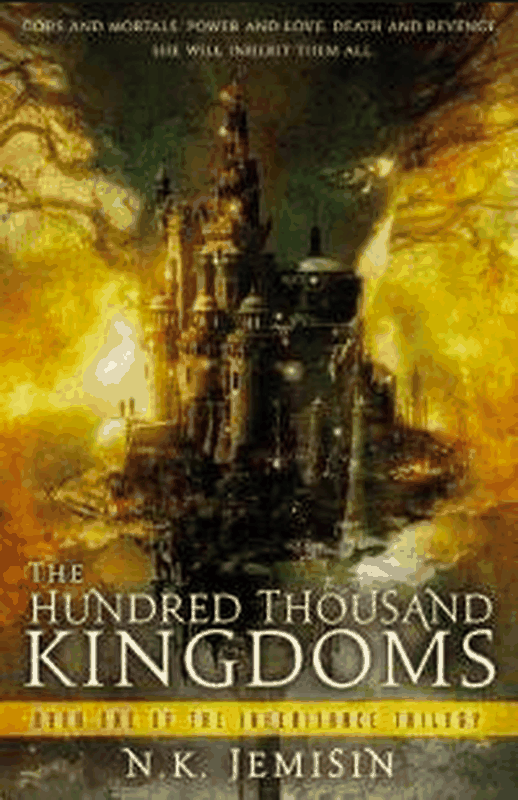
The Hundred Thousand Kingdoms by N. K. Jemisin

Picture
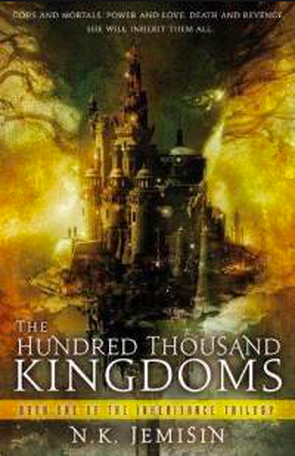
The debut novel for the woman who would go on to become one of the most award-winning SFF authors in the history of the genre, barely a decade into her career. You can see in The Hundred Thousand Kingdoms the seeds of the brilliance and skill that would lead her to become the only author to win three Best Novel Hugos in a row, and one of only five authors to win three total in their lives.

A fantastic...not so much subversion as innovation...of the otherwise tired trope of “young person goes to big city, gets embroiled in big city politics and learns dark secrets.” The idea gets new life breathed into it with some amazing conceptual world building and a unique narrative style. While it’s never good to get into the practice of canonizing authors where you “have to” read them to be considered well-read in the genre...after 3 Best Novel wins in 4 nominations in less than 10 years, the importance of Jemisin to modern SFF really can’t be understated.

The Ghost Bride by Yangsze Choo

Picture
One of the biggest advantages to branching out from the industry-dominant ‘US/UK White Dudes’ when it comes to reading fantasy is getting to experience all of the cultural myths and spiritualities of other cultures and how they interact with the fantasy genre.

The Ghost Bride takes a long-standing tradition and then steeps it in the fantastical in probably my favorite method of doing historical fantasy. The both figurative and literal spiritual journey that Li Lan undertakes is heartfelt, genuine, and just superbly executed upon.

And in doing a bit of back research to refresh myself on this title, I’ve discovered that Choo has another book out just last year-- The Night Tiger-- which looks to build upon the same themes.
Dan is the creator of the review and article website Strange Currencies . A lifelong reader of almost exclusively Sci-fi and Fantasy, he has been reviewing since 2011. In addition to reviews, he is a freelance editor, and game designer and is going back to school in September to become a Paralegal and Law Clerk. You can find him in various social media places:

Website: www.strangecurrencies.org
Twitter: @sff_writer_dan
Facebook: https://www.facebook.com/StrangeCurrenciesReviews
What are your favorite sci-fi/fantasy books written by women? Tell us in the comments!

    Never miss a post! Sign up for the weekly Dragons, Zombies & Aliens newsletter:

Subscribe to Newsletter

Thank you, patrons, for making this blog possible!

Picture
become a patron
0 Comments
<<Previous

      Subscribe to the DZA newsletter!

      You'll get weekly updates of blog posts, videos, and news, right in your inbox!
    Subscribe

    What's This?

    The first Dragons, Zombies and Aliens ​blog was started in 2015. Somewhere between college coursework, paying rent with door-to-door sales, and keeping up with my sorority sisters, I wrote reviews, rants and commentaries on books, TV shows, and movies. Now, this blog has moved, improved, and the sky's the limit!

    RSS Feed

    Categories

    All
    Book Reviews
    Demonology Files
    Fantasy
    Giveaways!
    Good News!
    Guest-posts
    Horror
    Interviews
    Movies
    Race & Ethnicity
    Sci Fi
    Sci-Fi
    Sexism & Feminism
    Superheroes
    TV Shows
    Writing Tips

    Archives

    July 2020
    June 2020
    May 2020
    April 2020
    March 2020
    February 2020
    January 2020
    November 2019
    July 2019
    June 2019
    May 2019
    April 2019
    March 2019
    February 2019
    January 2019
    December 2018
    November 2018
    October 2018
    June 2018
    May 2018
    April 2018
    March 2018
    February 2018
    January 2018
    December 2017
    November 2017
    October 2017
    September 2017
    August 2017
    July 2017
    June 2017
    May 2017

Proudly powered by Weebly
  • Home
  • About Me
    • Bio
    • Review Policy
    • Contact
    • My Favorites >
      • Books
      • TV Shows
      • Movies
  • Published Works
    • Earth's Final Chapter
    • Novellas & Shorts
  • For Writers
  • Blog