Dragons, Zombies and Aliens
:
The Blog
|
|
|
|
Growing up, I loved hearing the words
strong female character
("SFC"). By the time I'd hit middle school I was boiling with anger. Not just because of awkward adolescence, but because I was sick and tired of seeing the same old damsels in distress and sexualized romantic interests in my favorite movies and series. I wanted more Mulans, but instead I got a truckload of Sleeping Beauties. And occasionally, an action movie or sci-fi book would deliver my semi-regular SFC.
Except they didn't. As I grew older and better at writing stories myself, I began to notice a problem with the "strong female character." They weren't characters at all. They were tokens. Something to get the "feminazis" off of the writers' backs, and maybe throw in some overused sexual tension for the main (man) character. Worse: they were grossly sexualized. Jessica Rabbit's exaggerated curves and revealing dress speak volumes. So we need to get rid of the very idea of the "strong female character" for a variety of reasons. These are the big three. The first problem is the term itself: strong female character. Not everyone with a uterus is a woman, and not everyone with a dick is a man. 
Strong
female
character?
Bitch, please.
And what does
strong
even mean? Physical muscles? Confidence? Emotional endurance? Why do we need the word in the first place? It's never in front of "male character."
Easy answer: men are automatically assumed to be "strong," and women weak. So when producers and directors say that they have a "strong female character" in their movie, it's like saying, "Regular women are pathetic wimps who can't do anything. But this person is strong and capable." More on this later. 
Second problem. Let's assume that
strong
means "capable of looking after/rescuing herself." Essentially the writers are trying to create the exact opposite of a damsel in distress. That's a noble effort, so long as the character doesn't end up needing to be rescued anyway. Not that she should be invincible; she'd be boring if she was. But she should rescue the man at least as often as he rescues her. You know, that whole equality thing.
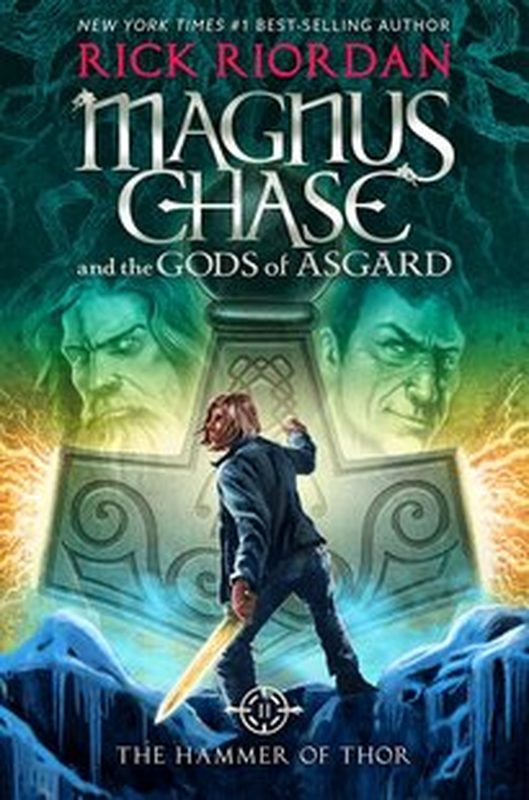
Good examples of this give-and-take are the characters of the Percy Jackson series, particularly Annabeth Chase , daughter of Athena. For all her intelligence, she does need help getting out of tough situations from time to time. The entire third book The Titan's Curse was dedicated to Percy going on a rescue mission after she was kidnapped, and he got critical help from Thalia and a couple of Hunters of Artemis, all of them girls. This was one book after Annabeth rescued Percy in Sea of Monsters when he was turned into a guinea pig by a witch and two books after she saved him with her intelligence a half a dozen times in The Lightning Thief. In all the books after Titan's Curse , Annabeth routinely battles and outsmarts monsters, Titans, and giants, often saving Percy's life as a result. But as for stories that aren't written by Rick Riordan, an embarrassing number of "strong female characters" need rescuing by the man, and at no point is she given an opportunity to return the favor. Worse, she who has trained for years in the military, or was designed to be a weapon, or is otherwise entirely qualified to do whatever dangerous thing she and the other characters are doing, she must be rescued by a bumbling beginner. The guy who just entered the adventure, who has zero experience and very little idea of how to defeat the bad guy, ends up rescuing the supersoldier. In what world does that make sense? The entire point of the SFC's existence--being a kickass woman who "don't need no man"--is completely undermined by falling into the ancient damsel in distress trope. Just look at Gamora in Guardians of the Galaxy (twice!) and Valka in How to Train Your Dragon 2 (also twice).
The third and final problem with SFCs is the most aggravating to me as a professional writer: it's lazy storytelling.
Black Widow (a.k.a. Natasha Romanov) in Age of Ultron was so disappointing because the writers didn't go into her complicated, mysterious past as much as they should have. During her conversation with Loki in the first Avengers movie, she mentions that she's on the team to balance out the "red in my ledger." To which Loki replies, "Can you? Can you wipe out that much red? Dreykov's daughter, Sao Paulo, the hospital fire? Barton told me everything. Your ledger is dripping, it's gushing red, and you think saving a man no more virtuous than yourself will change anything?" 
There are three things in that single line of dialogue that make us go
wait, what?
It's the doorway to an excellent redemption story not unlike Tony Stark's. But instead of doing that, the writers decided that Black Widow's story in
Ultron
would be how sad she is that she can't be a mommy, and that
that's
what makes her a monster (which is a whole other rant altogether). The romantic subplot between her and Bruce Banner made her flat and two-dimensional, when she could've been one of the most intriguing and awe-inspiring characters in the movie.
Unfortunately, Natasha has lots of company. There are dozens of other intriguing women who've been doomed to a dull love interest: Trinity from The Matrix, Tauriel from The Hobbit trilogy, and Grace in Armageddon . 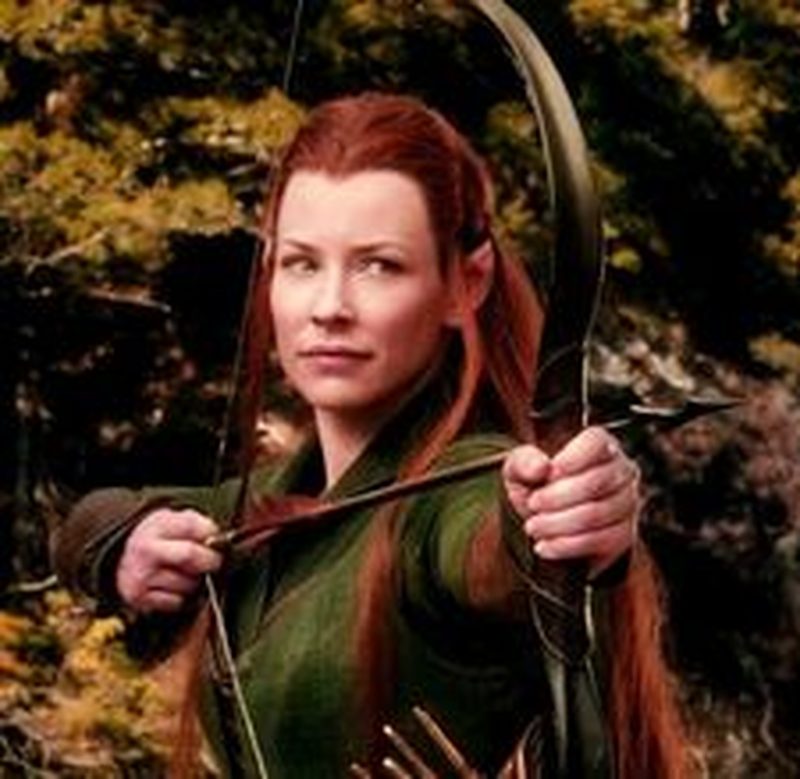
Not to say that all traditional SFCs
in books and television are flat and undeveloped, or even those caught up in romance. Buffy has to juggle school, family, friends, love life and work with her Slayer duties, putting her and her friends through rigorous character development throughout the show. Annabeth cuts down more monsters than almost any other demigod in Camp Half-Blood while struggling to overcome her personal demons of pride and betrayal. Brienne of Tarth is loyal to a fault, yet she does not play well with others; in fact, she usually cuts them in half.
So, yes, you can have some kick-ass heroines with swords and stakes and guns. That is not the issue here. The issue is when that is all that defines them. Buffy isn't a classic character of the vampire genre because of her karate skills. It's her ongoing struggle to try to live a normal life with friends and family while everything else is (literally) going to hell. Annabeth doesn't inspire thousands of Percy Jackson fans because of her knife, but because of her strong sense of purpose and confidence. Brienne's story in Game of Thrones is interesting not because she's hacking sexist jerks in two ("It's a bloody woman!"), but because of the difficult choices she makes. W hen she and Jaime were on opposite sides of the siege at Riverrun, she told him that she would do battle with him despite their friendship (and her crush) because "honor compels me." But I don't consider them "strong female characters." They all have strength , of course; physical and emotional. But why would you use "strong" to describe someone like, say, Hermione Granger? The first words that come to mind for this classic witch are intelligent, stubborn, brave, arrogant, compassionate, and loyal . Not once does strong ever pop into my head.
Cool quote:
"I think the major problem here is that women were clamoring for “strong female characters,” and male writers misunderstood. They thought the feminists meant [Strong Female] Characters. The feminists meant [Strong Characters], Female." --Shana Mlawski
A character--man, woman, or anyone else--does not become a memorable, flesh-and-blood person in the eyes of their audience just because there's a sword in their hand.
What makes them great characters is that they drive the story
.
For example: the blind fighting champion Toph Bei Fong from the Nickelodeon series Avatar: the Last Airbender embodies all the stereotypes of the "strong female character": she's cocky, a total tomboy, loves fighting and dirt, she's stubborn and often arrogant, but deeply loyal and loves her friends. And those stereotypical features work because she has clear motivations and a narrative arc. She wants to get out from under her oppressive parents and save the world, and while that largely includes teaching Aang (the main boy character) how to earthbend (basically earth magic, for the uninitiated), it also involves fighting alongside her friends while they storm castles and kingdoms, inventing an entirely new branch of earthbending, discovering a passion for teaching, and trying to reconcile with her parents. She does finally get back on good terms with her father, but only when he accepts her as who she is, instead of her "softening up" (re: becoming more feminine and taking a back seat).
Opposite of Toph is
Daenerys Targaryen
from
Game of Thrones
. She's very feminine, wearing dresses and makeup and chatting with girls about boys in her down time. She has no military training and relies heavily on her bodyguards if she's caught in a physical fight. But she doesn't need a sword. She doesn't even need her dragons to be badass. She takes what she has--essentially nothing--and ends up with a massive army, three dragons, and ultimate authority over half the continent. She refuses to be tucked away into the Dothraki Sea when the horse lords capture her, and instead kills all of their leaders in one blow with a couple of friends and some kindling. And now the seventh season will be completely defined by her invasion of Westeros. As it happens, her main opponent is also a woman: Cersei Lannister, another great (though certainly not
good
) woman character.
The main takeaway is this: the strength of a character is not determined by how many bad guys she can kill or how sexy she looks with a gun. It's determined by her power over the story. If she has none and is only there as decoration/sex appeal/tokenism, then she needs to be rewritten. Maybe give her some girlfriends so she's not the token of the boy band. But if she has significant influence over the plot, then she truly is a strong, woman character.
I am now on
Patreon
!
Patreon is similar to crowdfunding, in that multiple people support a cause they love and get free goodies as a result. You can donate as little as one dollar a month, or you can give more and gets loads of cool stuff like sneak peaks and free books. Every penny goes toward giving you more good content. So if you like what you're reading, click here and help me continue to write for you!
Interesting counterargument to Valka being a damsel in distress:
"Why
How to Train Your Dragon 2
is a Radical Feminist Triumph"
Know any good movies, shows or books with badass women? Comment below!
1 Comment
More people are becoming informed on the issue of feminism. As an active member of our neighborhood's feminist group, I am really happy about this. A common misconception about feminist is that they are all scandalous people. I am not saying that there are not some who are, but not everyone is. I hope that people would change their stereotypical views on the concept of feminism and their views towards feminine activist, because the world is made for women too. Leave a Reply. |
What's This?The first Dragons, Zombies and Aliens blog was started in 2015. Somewhere between college coursework, paying rent with door-to-door sales, and keeping up with my sorority sisters, I wrote reviews, rants and commentaries on books, TV shows, and movies. Now, this blog has moved, improved, and the sky's the limit! Categories
All
Archives
July 2020
|
 RSS Feed