Christina "DZA" Marie
  • Home
  • About Me
    • Bio
    • Review Policy
    • Contact
    • My Favorites >
      • Books
      • TV Shows
      • Movies
  • Published Works
    • Earth's Final Chapter
    • Novellas & Shorts
  • For Writers
  • Blog

Dragons, Zombies and Aliens ​:
​The Blog

We Need to Ditch the "Strong Female Character"

7/22/2020

1 Comment

This post originally appeared on this blog in 2017 , and again on the Bitch Shelf column in 2018.
Picture
From Reddit
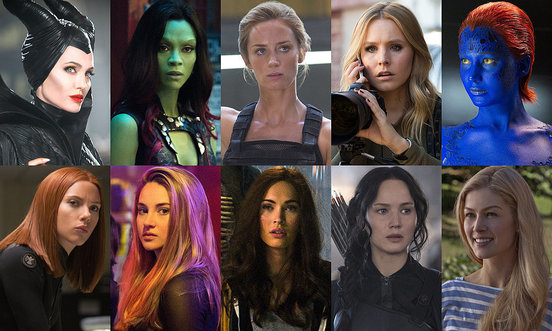
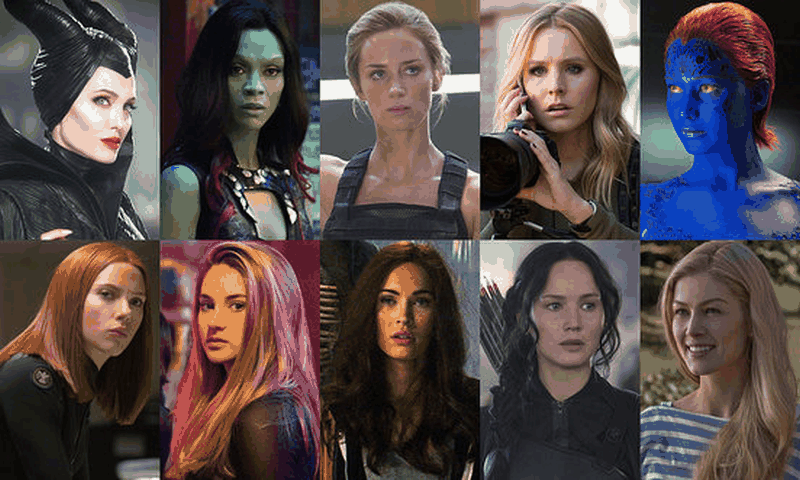
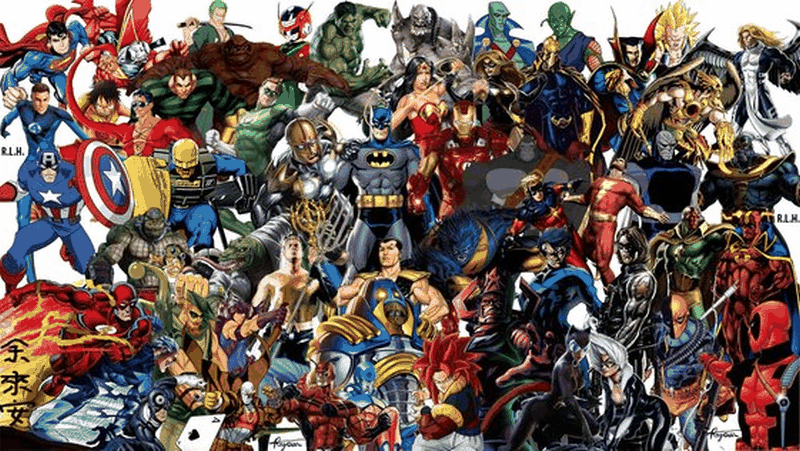
Most of us have at least heard of the term "strong female character." Whenever the director of the latest action flick says their token girl is a "strong female character," or the author of a thriller swears up and down that his work isn't sexist because he's got a lot of "strong female characters" in it, it sets most of the audience at ease. We picture an attractive woman, probably in some sort of tight-fitted outfit, armed to the teeth with gadgets and weapons suitable to whatever setting she's in.

But there's a problem with the strong female character.

Okay, a lot of problems. We're going to go into them in detail.

​The biggest issue is that they're a cookie-cutter token that's usually sexualized and designed for the cis male audience rather than the women she supposedly represents.

What is the "Strong Female Character"?

Strong female characters--or SFCs--were originally designed to be the polar opposite of the damsel in distress archetype. By which I mean she's a female character who's very good at traditionally masculine skills: combat, computers, motor vehicles, etc.

Some stories do this very well. Google "strong female character" and the images that pop up are Princess Leia, Ellen Ripley, and Hermione Granger, all of them well-written, three-dimensional characters that are now culture icons.

But most stories flop.

The SFC has become a cinema cliche, a diversity item to cross off of a writer's list so they can claim their work is inclusive. But the SFC runs into a host of problems in most stories she appears in that undermines the writer's--often genuine--efforts to create an inspiring female character.

The Problems with the "Strong Female Character"
​#1: What Does it Even Mean?

Picture
What the hell does "strong" mean?

This is a serious question. What does the "strong" in "strong female character" actually mean?

It can't be "physically strong/muscled," because that would exclude Hermione Granger and Nyota Uhura. They rely on their brains and other skills to achieve their goals.

It can't be "trained in martial arts" or "good with a gun," because again: Granger and Uhura, plus Shuri who--while amazing--is pretty useless without her technology.

Those of you who are authors might think the "strong" stands for "strength of character" or "great narrative arc," except as we'll see, our SFCs usually fail that test, too, either shunted off as tokens or winding up as damsels in distress anyway.

So right out the gate we have problems with our definition, and that's not even touching on the word "female." What if your character is assigned male at birth but identifies as a woman? Or is genderfluid? Or agender? Or is anywhere else on the trans/non-binary spectrum? Or the opposite: if a gun-toting, leather-clad hero identifies as a man but was assigned female at birth, do they still make the list?

We all know what a "strong female character" looks like. She's a trim (never "fat"), usually white, sixteen-to-thirty-five-year-old cisgender woman who is, on top of everything else, conventionally pretty.

This is the character in all the movies that make all the lists of "best women characters" or "best female characters." And it's shockingly exclusive. Despite how weirdly vague the term itself is, there's only one kind of "strong female character" anyone ever thinks about or sees.

#2: No Character to Speak Of

Picture
When an SFC is done right, she has character. Depth. Personal issues and turmoils that she has to overcome. Think Buffy the Vampire Slayer. Sure, it's fun to watch her fight monsters, but what makes her an icon is her struggle to balance a personal life with her responsibilities as Slayer.

Not so with most SFCs. Half of the time they're tokens, being the only woman or femme character in the entire cast while the majority of the movie follows the male lead. When they do get screen time, we don't get to see a whole lot of... character .

I'd say the Avengers franchise is particularly guilty of this. Outside of Captain Marvel , whose arc is contained to one movie, the vast majority of the characters are (white) men. Despite Wanda and Natasha coming from interesting backgrounds and moral dilemmas, their characterization revolves mostly around their relationship with men. As soon as Natasha and Bruce Banner ultimately decide that it's not going to work between them in Endgame , she gets killed off. Because of that, I'm genuinely worried about how they're going to handle her in the upcoming Black Widow movie.

That brings me to the next point...

#3: Love Interests Only

Picture
My most hated foe.

So many women characters have had their potential squandered by getting roped into a half-baked love interest that has no business being there in the first place.

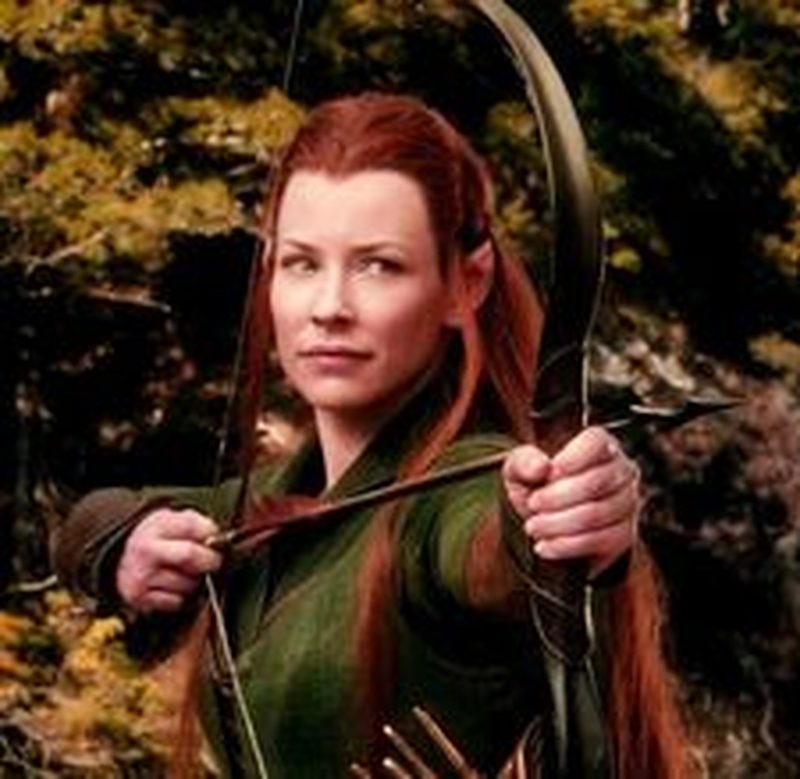
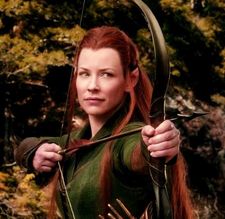
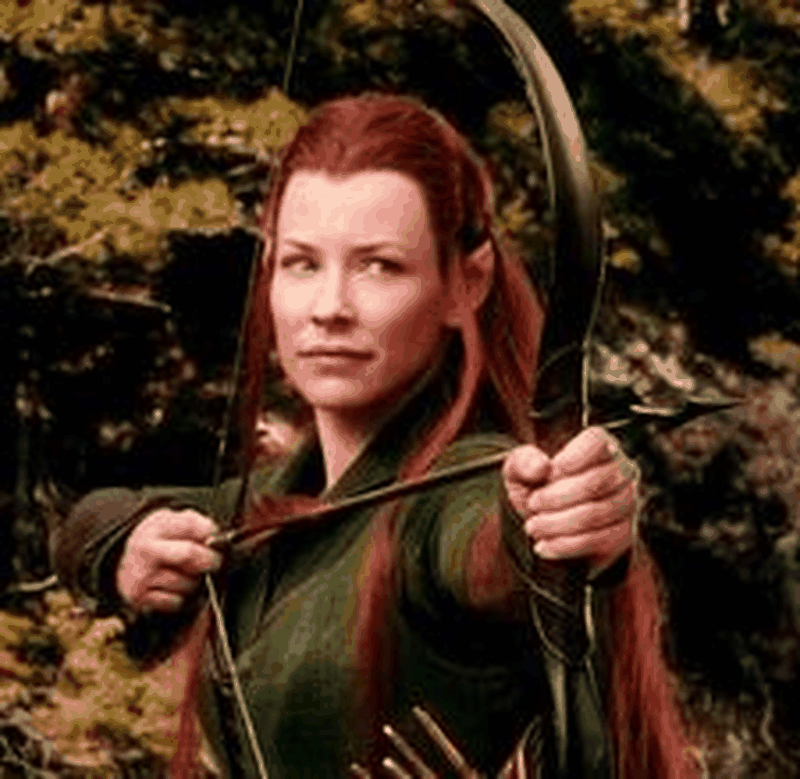
The greatest offender in recent memory is Tauriel from The Hobbit. Our first impression of her is an incredible fighter who doesn't like (or at least, doesn't trust) dwarves. She's the only woman in the elven boy band of fighters in a patriarchal society, so how did that happen? She's implied to be of a lower class of elves, which is why the elf king doesn't want her hanging around Legolas, so how did she become such a high military rank depsite all of her social handicaps?

There's so much potential for her. Maybe, when she hears about the dragon hoard in the mountain, she tries to claim it for her kingdom. Or perhaps she ends up befriending one or more of the dwarves like Legolas did with Gimli and goes through her own arc of growth and acceptance of other races. Or maybe she still has to prove herself to her people because of her class and/or gender, and decides going out to fight a dragon or a bunch of orcs is the best way to do that, kind of like Eowyn.

What did the writers decide to do? Stick her in a love triangle with Legolas and Kili. That's the only way we see any part of her characterization, and it ultimately proves futile because Kili dies, Legolas goes looking for Aragorn, and Tauriel herself...well, we have no idea what happened to her after she was done crying over the dead dwarf. When the romantic subplot ended, so did her importance to the story.

#4: Still Damseled

Probably the worst offense of the strong female character is that, nine times out of ten, it fails in its original purpose. The SFC was designed as a counter balance to the damsel in distress. A femme character whose background, skills, and/or personality would make it theoretically impossible for her to become kidnapped and stuck in a tower to await rescue.

And yet most SFCs end up the damsel in distress anyway! Gamora in Guardians of the Galaxy (twice in one movie), Valka from How to Train Your Dragon 2 , Lucy in Despicable Me 2 , most of the Doctor's companions in Doctor Who , and several more.

So...what's the point? Why have a "strong female character" if she needs to be rescued anyway?

How to Fix the "Strong Female Character"

Picture
Ideally, we'd live in the world where we could just focus on strong characters, and that they'd be fairly representative of men, women, and LGBTQ+ populations without question.

Unfortunately we don't live in that world just yet. We have to put serious effort into creating and finding minority characters in media, which is why people still use the term "strong female character" when they're trying to tell people that they have a strong character who's female.

If you're writing a story--a book, a movie, whatever--and want to include an SFC, change the term, first. We'll keep "strong," simply because that's the only way we can differentiate between good and weak characters right now. But use "femme" instead; that's a far more encompassing term that typically includes anyone who identifies as a woman in some way.

You're writing a strong femme character. Good. I'll direct you to my previous blog post on writing women characters to help with the character creation.

The process is shockingly similar to writing cis male characters. Treat your femme characters with the respect you give your masc characters. If you damsel a woman, damsel the man. Give her a character and an arc outside of her love life, something Black Panther did very well.

And when in doubt, ask as many women you can to read your story and tell you when you're doing something wrong. They'll help.

What's an SFC you've seen done right?
What have you seen done wrong?
​Comment below!

    Never miss a post! Sign up for the weekly Dragons, Zombies & Aliens newsletter:

Subscribe to Newsletter

Thank you, patrons!

Picture
Become a patron
1 Comment

Video: Top 10 WORST Female Character Tropes

7/5/2020

0 Comments

A list of the worst female character tropes I’ve ever had the displeasure of finding in books, movies, and TV shows, from the love interest to the “strong female character.” If you’re a writer working on their next story, I am begging you: please don’t include these horrible cliches.

What are your least favorite female character tropes?

--

Related videos/blog posts:


The Lone Vagina (video)

Damsels in Distress (podcast)

Worst Tropes: Romantic Subplot (video)

Worst Tropes: the Female Mentor (blog post)

How to Write Female Characters (blog post)

We Need to Destroy the "Strong Female Character" (article)


--

Follow me on Social Media!

Twitter

Instagram

Facebook


--

Support the YouTube channel and blog on Patreon here !

    Never miss a post! Sign up for the weekly Dragons, Zombies & Aliens newsletter:

Subscribe to Newsletter
0 Comments

Guest Post: 10 Amazing Sci-Fi/Fantasy Books by Women

6/28/2020

0 Comments

Hello DZA readers! My name is Dan Ruffolo, and I’m the writer for the SFF review/article site Strange Currencies . Christina got in touch with me to see if I was interested in doing an exchange of guest posts with her, and this being my first chance to do something like that, I jumped at it. So here we are!

In light of the recent dialogue around publishing as an industry and a highlight of the ways in which advances and marketing budgets are leveraged primarily to the benefit of male, white authors, it becomes incumbent on us as reviewers to take up some of the slack on the marketing front and make sure our readers are made aware of the fantastic genre writing that already exists by women and WOC.

In the hopes of maybe encouraging you to branch out and explore inside the genre, I here and Christina over on my blog will each present a list of 10 great sci-fi or fantasy novels written by women (view her 10 picks here ). If we can encourage you to branch out to femme authors if you haven’t been, or help you discover some new authors, we can help change the idea that publishers are ‘taking a risk’ by supporting, marketing and selling authors like them, and instead make it business as usual.

A note on the list: For the most part I’ve either picked a specific book I particularly enjoyed by that author, or the first book in a series/their first novel. Almost all of these authors are still actively publishing new work, so don’t necessarily take my touting of a book from 20+ years ago as an indicator that they’re not still creating all kinds of excellent work, just as a pointer to the starting place if you want to get into their creations. A few of them link to reviews I’ve written on my site.

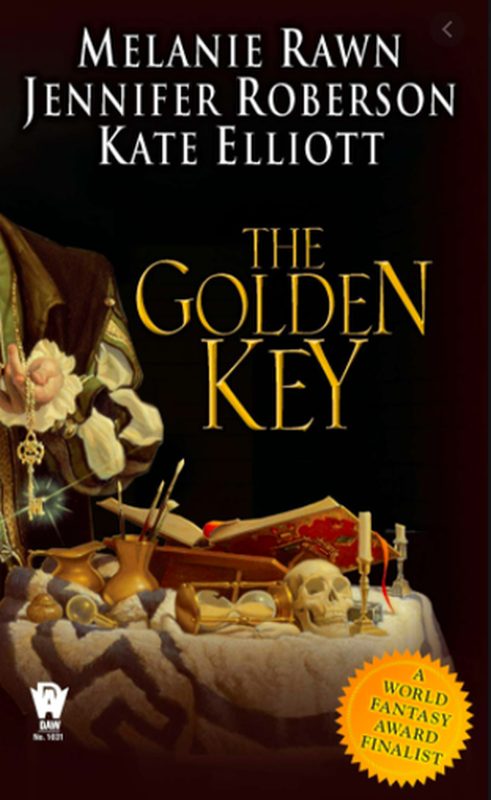
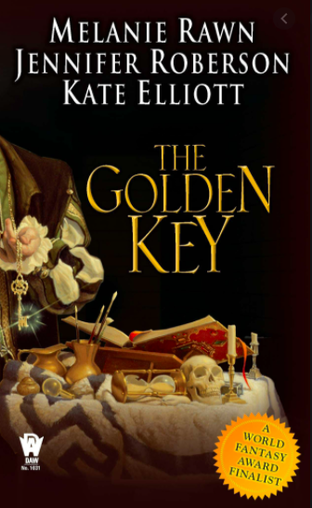
The Golden Key by Kate Elliott, Jennifer Roberson, and Melanie Rawn

Picture
While the list here is not actually ranked, I am starting with my favourite book on the list, and one of my favourite books of all time, the co-written Fantasy novel of epic proportions (running to nearly 800 pages): The Golden Key .

Telling the generations-spanning story of the Grijalva family, a family of painters with many subtle secrets, it includes one of the most interesting systems of magic I’ve ever seen. Melanie Rawn would go on to write another novel in this setting, T he Diviner , and to have collectively stopped at only two novels feels like a horrible waste, so incredible is this world and this novel.

Who Fears Death by Nnedi Okorafor

Picture
The first adult fiction novel by Dr. Okorafor, Who Fears Death was nominated for the Locus, World Fantasy and Nebula awards for Best Novel, winning one and surely deserving of the other two.

Handling the difficult themes of race, oppression, and weaponized rape with a grace and aplomb that would almost astound if she hadn’t made it look so easy, the story of Onyesonwu’s coming of age, coming to terms with her world, and quest for justice made this book...you don’t want to use a word like ‘enjoyable’ for a story dealing with such serious themes. I suppose I would say ‘compelling.’ But it was a journey I absolutely had to finish as soon as I started it.

A Darker Shade of Magic by V.E. Schwab

Picture
(A note on the linked review: As it says, it was based on a preview copy of only the first quarter of book one, and I was fairly unimpressed with it based on that. I went on to buy and read the full novel, and both of the others, and absolutely enjoyed the crap out of them, so take the review with a hefty dose of salt.)

One of the best examples of a parallel worlds fantasy I can think of, Victoria Schwab’s A Darker Shade of Magic is an absolutely fascinating look at London through the lens of Kell and Lila, denizens of the magic-rich Red and mundane Grey versions of the city. Fantastic pacing, a deep and rich story and an absolute top 5 ‘best female protagonists’ entry in the form of Delilah Bard, the three books of the Shades of Magic trilogy were a wonderful introduction to a great author.

Brightly Burning by Mercedes Lackey

Picture
While coming quite a bit later in the overall widely-spanning Valdemar series (being the 18th book chronologically and the 24th book by publication in a staggering 45-books-and-counting series) I’ve always held a special place for Brightly Burning both as a book in general, and a suggested entry point into the Valdemar world.

​In addition to being a stand-alone in what is often a sea of trilogies and duologies, the story of Lavan Firestorm is a deeply emotional and impacting one for anybody who has ever been an outsider. One of the first times I ever cried reading a book.

Fool’s Assassin by Robin Hobb

Picture
Robin Hobb was one of those authors that I knew for years and years I should read, and just never got around to. Another example of starting late in a series, Fool’s Assassin is the first of a trilogy, but the 14th in the larger Realm of the Elderlings . I gather for people who’d been reading the whole series, the eponymous Fitz of this Fitz and The Fool trilogy was the draw, but for me the show was completely and absolutely stolen by the character of Bee. She was an absolute frigging delight, and the primary push for me to continue on with the trilogy. I’m sure I’ll end up going back to read the rest of the Fitz-based novels, they really are excellent and he’s a great character, but what I really want is more Bee!

Parable of the Sower by Octavia E. Butler

Picture
An extremely topical novel for our current times, Parable of the Sower really highlights the degree to which Octavia Butler exemplified the foundational aspects of science fiction: using imaginary worlds and future settings to mirror the very real issues of the world, and provide a framework for thinking about how to approach that future with hope and aspiration.

​A post-, or really mid-apocalypse of climate change, corporate greed, and racism backdrops a young woman’s vision for a better future. Even if Butler weren’t a phenomenal writer in her own right, the sheer volume of contemporary parallels in this, and its sequel Parable of the Talents , should make this mandatory reading.

Valor's Choice by Tanya Huff

Picture
The first installment of, for my money, one of the best boots-on-the-ground military sci-fi series ever made, Valor’s Choice introduces Staff-Sergeant Torin Kerr, also one of my favourite protagonists as well. Huff does an incredible job keeping Torin bad-ass and unwilling to take any shit, and do anything to preserve the safety of her team, while also keeping her empathetic, reasonable and incredibly human, a task at which a lot of authors, especially with male protagonists, fail miserably.

​The eight-book series is finished, making it a safe dive-in for people who worry about starting series that aren’t done yet. For those who are less interested in sci-fi, I can also highly recommend her Quarters series (4 books, high fantasy) as well as the Keeper Chronicles (3 books, urban fantasy).

Flesh and Fire by Laura Anne Gilman

Picture
A completely random pick-up at my local library that turned into an absolutely amazing trilogy, and a strong entry in the list of ‘best magic systems,’ as well as as one of the very few books I’ve read that starts with a young chosen one with incredible powers that doesn’t turn into garbage.

​Instead, the Vineart War trilogy intimately captures the combination of fear, anxiety, and pride that accompanies anybody who has the pressure of presumed greatness hanging over their heads. You pretty much couldn’t ask for a more realistic and human ‘chosen one.’ And when you combine the novelty of a wine-based magic system, you’ve got the makings of something really excellent, and Gilman didn’t disappoint at all.

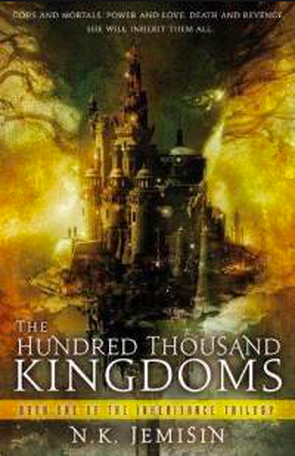
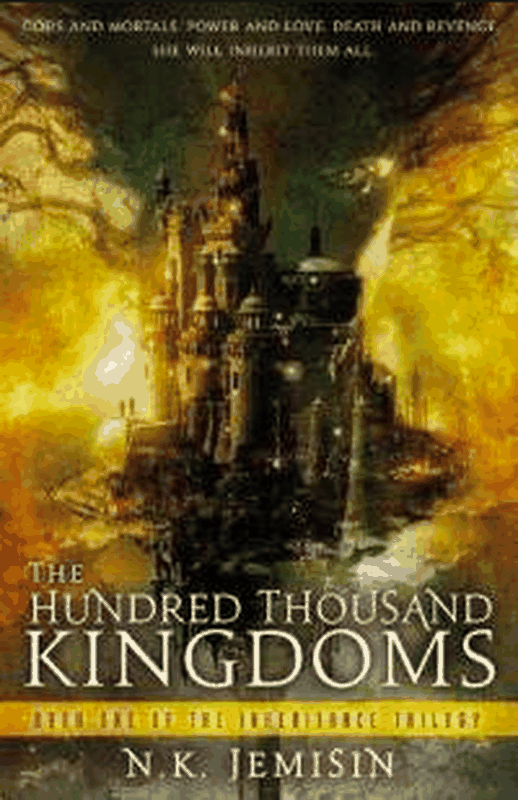
The Hundred Thousand Kingdoms by N. K. Jemisin

Picture
The debut novel for the woman who would go on to become one of the most award-winning SFF authors in the history of the genre, barely a decade into her career. You can see in The Hundred Thousand Kingdoms the seeds of the brilliance and skill that would lead her to become the only author to win three Best Novel Hugos in a row, and one of only five authors to win three total in their lives.

A fantastic...not so much subversion as innovation...of the otherwise tired trope of “young person goes to big city, gets embroiled in big city politics and learns dark secrets.” The idea gets new life breathed into it with some amazing conceptual world building and a unique narrative style. While it’s never good to get into the practice of canonizing authors where you “have to” read them to be considered well-read in the genre...after 3 Best Novel wins in 4 nominations in less than 10 years, the importance of Jemisin to modern SFF really can’t be understated.

The Ghost Bride by Yangsze Choo

Picture
One of the biggest advantages to branching out from the industry-dominant ‘US/UK White Dudes’ when it comes to reading fantasy is getting to experience all of the cultural myths and spiritualities of other cultures and how they interact with the fantasy genre.

The Ghost Bride takes a long-standing tradition and then steeps it in the fantastical in probably my favorite method of doing historical fantasy. The both figurative and literal spiritual journey that Li Lan undertakes is heartfelt, genuine, and just superbly executed upon.

And in doing a bit of back research to refresh myself on this title, I’ve discovered that Choo has another book out just last year-- The Night Tiger-- which looks to build upon the same themes.
Dan is the creator of the review and article website Strange Currencies . A lifelong reader of almost exclusively Sci-fi and Fantasy, he has been reviewing since 2011. In addition to reviews, he is a freelance editor, and game designer and is going back to school in September to become a Paralegal and Law Clerk. You can find him in various social media places:

Website: www.strangecurrencies.org
Twitter: @sff_writer_dan
Facebook: https://www.facebook.com/StrangeCurrenciesReviews
What are your favorite sci-fi/fantasy books written by women? Tell us in the comments!

    Never miss a post! Sign up for the weekly Dragons, Zombies & Aliens newsletter:

Subscribe to Newsletter

Thank you, patrons, for making this blog possible!

Picture
become a patron
0 Comments

Worst Tropes: The Female Mentor

3/15/2020

0 Comments

"Worst Tropes" started as a playlist on my YouTube channel . I'm now also including it on my written blog. Basically I discuss all my least favorite tropes in speculative fiction and list ideas on how to do them right. Enjoy!

Female Mentors

Picture
So. The title of this week's post might be a little confusing. After all, I’m a feminist. I like femme characters. I’m constantly advocating for more femme characters in positions of power. Why on Earth would I object to female/femme mentors?

I don’t object to them. I object to how they’re written.

For the most part, mentor characters in our speculative fiction media are men. When you hear “mentor character” in relation to sci-fi, fantasy, or other action-based genres, the first image that pops into your head is Obi-Wan, or Gandalf, or some other old white dude. Sometimes they get to be Asian or Black, in which case their already-slim chances of surviving to the end of the story drop to nearly zero.

Whatever the case, it’s usually a guy. And from a cultural perspective, this makes sense. Guys are “supposed” to be smarter than girls, and they're expected to be better or at least more experienced at all the fighting and survival stuff than the girls. Why wouldn't the action mentor be a guy?

Since it’s the twenty-first century, we’ve been getting better at subverting sexist tropes and ideas such as this. It started with “Why can’t a woman be good at fighting,” and has gradually been turning into “Why can’t she be the awesome mentor character that everyone idolizes and looks up to?”

And this is great! The idea of the female mentor is coming from a good place. There are so few of them out there that any writer who wants to give their mentor character a bit of estrogen should be encouraged to do so.

The problem is in the execution. Broadly speaking, male mentors are allowed to stand with their students, while female mentors stand behind them. Basically, and this is not exclusive to mentor characters at all , the guys are allowed to take a more active role in the story. And also aren’t shunted off into a romantic subplot with their protégés. That happens a lot, even when the female mentor is done right. (See, Avatar: the Last Airbender and Edge of Tomorrow .)

It’s difficult to find examples of this trope, simply because, as stated previously, there are so few female mentors in SFF. One of the more iconic examples is The Matrix .

Trinity isn’t actually a mentor per se, not the way Morpheus is, but she does help Neo navigate the ins and outs of the Matrix and the real world, so in the fundamental way, she counts. She’s got a great opener, she jumps out of helicopters, she helps Neo murder a bunch of innocent security guards in a lobby, all that jazz. She's your standard "strong female character" who manages to have a solid characterization and more personality than a brick wall.

And yet, her biggest contribution to the story is...kissing Neo back to life? And then cheering him on from the sidelines?

I get it, I get it , it’s Neo’s story, not Trinity’s. The fact that Morpheus also has to stand aside in the climax takes a lot of the sting out of it. But you can have an amazing movie centered around a guy who works with the women rather than shunting them off to the sidelines. Go re-watch Black Panther and you'll see what I mean.

But there’s this...thing...in modern media. It's not even really a trope, but we've all seen it. You've got an action movie that centers around Joe Average, an ordinary guy with an ordinary job and an ordinary life. Through a series of weird events, he ends up being caught in some sort of spy conspiracy theory or supernatural underworld or whatever. All well and good, until he's suddenly shooting terrorists and fighting vampires right alongside the people who have been training to do this very thing for years . Joe Average gets maybe one scene where he's in over his head, and then after a brief training montage he's James Bond.

It's a power fantasy, designed to delude the audience (particularly the male audience) that if they were plucked from their everyday lives and tossed into a death trap, they'd be totally fine. The best, even.


You can throw all the “chosen one” crap you want at me, but at the end of the day, you need training to win wars and battles. Years and years of it. Joe Average's fifteen-minute morning yoga ain't gonna cut it. Just make another James Bond sequel and be done with it.

It’s one of the reasons why I sympathize with Tiger in Kung-Fu Panda . She puts in a lifetime of work to become a great warrior, and then this guy—literally by accident—steals the title from her? And then after one training montage covering—at most—a couple weeks, he manages to defeat the big bad who defeated the five best fighters in the world?

No. I call bullshit.

An even better example of this is one of the most infuriating movies I’ve ever seen: Ant-Man .

I love Marvel, but I hate this movie, and this is the reason why.

Hope Pym is just better. At everything. She knows how to use the suit. She knows how to control the ants. She knows how to fight. She’s been in the company the good guys are trying to take down for years , so she knows the people, security, and weaknesses better than anyone else.

But no. Clearly the best person for the job is the random thief who broke in last week to steal the Ant-Man suit.

I can already see the comment section: “But Christina! She’s Hank’s daughter! How could you expect him to let her do something so dangerous as to break into a high-security facility run by a sociopath?”

Two things.

First: “let her”? Let her ?! She’s a grown-ass woman. Why is Hank treating her like a little kid who doesn’t know how to do jack shit?


Second: remember all those “chosen one” stories that center around a guy? It always seems to me that the other characters can’t get the boy out the door fast enough. “Well, son, seems you’re chosen for greatness. Who am I, your parent/guardian, to stand between you and a mountain of horrors and bloodshed that will, at worst kill you, and at best, traumatize you for life? Go fulfill your destiny, boy!”

More than often than not, the guy will be “burdened” with the chosen one thing, and the support characters will literally have to force him to take up the mantle because “no one else will.”

But if it’s a girl?


“No, she’s too precious and pretty to put at risk! How could you even think such a thing?”

Even Moana suffers from this. It's not an in-universe problem in her case, as her island culture practices excellent gender equity. That's more of a "this movie was created by Americans who don't practice such gender equity" problem. Moana has to jump through hoops that her male counterparts (think Harry Potter, Percy Jackson, Neo, etc.) never had to deal with.


Here come the comments again: “But Christina! Marvel made a sequel that does make Scott and Hope equal! Ant-Man and Wasp .”

Hank had superior technology like wings and blasters and didn’t give them to Scott when they were all risking their necks—including the neck of his daughter that they made such a big point about protecting—to steal the yellow suit in the first movie? He made Scott fall through a tube toward deadly lasers without wings ? What a dick! No wonder Howard Stark didn’t like him.

More comments: “But Christina! Ant-Man is about Ant-Man! It’s about Scott Lang becoming a hero! Not about Hope Pym. She’s just a support character.”

Well, that’s an easy fix. Take out Ant-Man.

I’m serious. They should have just made a Wasp movie. The primary tension would have been her strained relationship with her father. Hank has to come to terms with the fact that his wife chose to sacrifice herself, just as he was going to, and he has to respect the fact that Hope might do the same thing. (This is something that families and friends of enlisted soldiers could easily relate to.) While working on the heist, Hope will grow closer to her father, atone for the mistakes she’s made in the past, and be the one to go super-small to defeat the villain, just like her mother did.

Only unlike her mother, she gets to come back. And in the sequel, Wasp and Ant-Man , while she and her dad work to bring Mrs. Pym home, their technology is stolen! Some jerk named Scott is trying to sell it on the black market!

Then it turns out that Scott is only doing it to get back to his own kid, Cassie. And once he realizes what that stolen technology is for, he helps them, putting aside his own needs to reunite the Pym family, and become Ant-Man. With his mentor, the Wasp, showing him the way.

Also, this way Marvel would have beaten DC to the honor of “First Female Superhero Movie in Theaters,” and we all know how much Marvel loves beating DC.

Back to the original point. Female mentors in action genres are very few and far between. Which is why it hurts even more when their characters and arcs are botched. When they’re used just long enough to turn Joe Average into Joe Chosen One, and then tossed aside to cheer him on in the background.

If you’re going to create a kick-ass woman awesome enough to train your main character, then you can use her in the story beyond training the main character.

And here’s how to do that.

Female Mentors Done Right

Picture
Edge of Tomorrow-- an awesome sci-fi action movie with an even better soundtrack--has a female mentor who trains unwilling time-traveler Tom Cruise to fight the aliens. What’s interesting here is that while Cruise’s character has the “chosen-one-ness” power of live, die, repeat, his mentor, played by Emily Blunt, used to have the same thing. By the time she’s finished training him and it’s time to take on the head alien, she doesn’t stand aside and let him do it alone. She goes with him. In the end, they’re both equal.

Doctor Strange also re-vamped The Ancient One as a woman, instead of keeping her as a man as in the comics, which is pretty cool. And, unlike Edge of Tomorrow, there is no romantic relationship between the Ancient One and Dr. Strange. Unfortunately it loses points for casting a white actor to play this Asian character, and also permanently kills her off so our dude hero can save the day, so I give it a B+ for effort, D for execution.


For our final example, let’s bring out the ol’ broken record and talk about Avatar: the Last Airbender .

Of Aang’s three main bending teachers, two of them--Katara and Toph--are girls, both of them beautifully written, one of them with a major narrative arc and striking character growth. In addition, the writers practiced power balance within the group. Aang may be the "chosen one,"  the master of all four elements while all the other benders only get one element. But the other members of the group, especially Katara and Toph, specialize in certain abilities that Aang does not have.

Aang cannot use his powers to heal injuries, nor can he bloodbend. Katara can.

Aang cannot bend metal, a material used in abundance by their enemies. Toph invented metalbending, allowing her to crush entire ships.


This creates a power balance in the group as a whole, where each character remains vital to the quest because of their unique abilities. Katara and Toph can’t hang back and cheer Aang on as he fights the villain. Their specialized skills are mandatory for the team’s success.

In other words, while the story centers around a guy, if the Avatar writers had treated Toph and Katara the same way Marvel treated Hope Pym, the entire world would’ve been taken over by the Fire Nation.

Know any other good femme mentor characters in sci-fi and fantasy? Drop them in the comments so I can check them out!

    Never miss a post! Sign up for the Dragons, Zombies & Aliens weekly newsletter:

Subscribe to Newsletter

Patrons get free goodies! Find out how by clicking the button below:

become a patron
Picture
0 Comments

Interview with Award-Winning Fantasy Author C. L. Polk

2/23/2020

0 Comments

C. L. Polk

C. L. Polk is the author of Witchmark, which has been nominated for the Nebula, Lambda, Locus, and Aurora, and is the winner of the World Fantasy Award. You can read my review of this stunning debut novel here. Its sequel, Stormsong , came out on February 11th.

A huge "thank you" to Polk for taking the time out of her busy schedule to do an interview with me!
Picture

Interview with C. L. Polk

DZA: Witchmark and its sequel Stormsong take place in a sort of alternate universe where a land very similar to Victorian England has magic. Why did you decide on this particular aesthetic for your world, rather than the more standard settings like contemporary for urban fantasy or medieval for epic fantasy?

Polk: Honestly? It was the architecture. I am enamored with the aesthetic of city streets from the beginning of the 20th century. I was thinking about New York and Chicago streets - about how these buildings were getting taller, and the attention to the little details. I kept imagining a city with buildings like the Flatiron in New York - that look was what I wanted.


How long did it take you to write Witchmark , and what were the challenges you faced in getting it published?

I don’t really know how to begin counting. I had let the idea for the book percolate for a few months, and then I wrote a ragged, skeletal first draft in about six weeks in the late summer of 2014. I set it aside for a long while before I revised it, and I didn’t start looking for an agent to represent me until 2016. As for challenges, I think I had it pretty easy. I had to send out queries and wait, and that was all I had to do.


Witchmark ’s main character, Dr. Miles Singer, made quite a mess at the end of the novel. The sequel Stormsong is going to be about his sister Grace dealing with the fallout. Why did you decide to change your POV character, and what unique challenges can we expect Grace to face?

Well, Miles was in no shape to run around and protag, and I couldn’t see myself skipping to a point where he had recovered sufficiently to run up four flights of stairs and get into bicycle chases. I had to pass the POV torch to someone else - and Grace was the person who made sense. There’s potential for a great deal of political upheaval, and this is what Grace was raised to do--she’s just doing it in the middle of a great disillusionment. She thought her efforts were protecting and enriching the people of Aeland, and now she has to figure out how to put out multiple fires while her worldview has been completely shaken.


I found Grace’s arc to be rather interesting in Witchmark . She starts the story thinking she’s an ally to people like her brother Miles, only to realize that she’s really not . Since throwing magic at the problem isn’t feasible in our world, how do you think we should handle fake allies like Grace in our lives?

It’s a difficult question, really. There is so much psychic shielding and base misinformation that people learn to swaddle themselves with that makes it so difficult to break out of. It’s a horrible thing to wonder, “Am I wrong? Am I not the good person I think I am?” What if you aren’t? Goodness, how wretched it would be if you weren’t. And so pointing out that an action or behavior is racist, or homophobic, or ableist is often taken at an insult that attacks a person’s core moral vision of themselves.

It’s genuinely frightening to consider, and so a lot of people will retreat back into that cocoon of ignorance and good intentions and flee the feelings (and the people) who upset them. It’s safe in there. It’s a hard prison to escape. I get it. But when it comes to dealing with people who are still centered on a fragile morality, I think that while everyone deserves your compassion, not everyone deserves your energy.

I’m more concerned with the people who are actually oppressed than I am the people who are simply scared of what they’ll see in the mirror. Would I like them to change? Yes. But I have to conserve my efforts. So I will spare what I have left over for the people who are fighting, and learning, and facing the mirror. Most of that is writing stories that I hope lead people to think about their own lives and their own struggles to put hope and justice into the world.


In Witchmark , you primarily go after two major themes: classism and mental health. In addition to The Kingston Cycle , you also have The Midnight Bargain coming out in Fall 2020, a fantasy novel that deals with reproductive rights, another major issue. Obviously these are very pressing and polarizing matters in the real world today. How do you use fantasy to contextualize these issues, and what are you hoping to communicate in these stories?

Really, I’m just angry about these issues. I cannot believe we still have to battle every day for the most basic right to control your own body just because it happens to have a uterus. But in 2019 I was thinking about some of the unspoken implications of a magic system where the ability is inborn and hereditary. I barely brushed on it in Witchmark , but I started seriously thinking about what happens to people who are equipped to carry children through a pregnancy in a world where magical ability is inherited from the parents - and it made the top of my head hot. How much autonomy, how much agency would child-bearing people have in that kind of world?

But I can’t just talk about that. I need a story. And so I took one of my favorite tropes, the springtime social season of London from regency and historical romance, and used that as the structural ticking clock that pushes Beatrice in her dilemma between choosing to scandalize society by becoming a magician, or denying her most heartfelt desire for magic by marrying the man she loves.


Both Witchmark and Stormsong feature LGBTQ+ characters and same-sex relationships as their romantic subplots. What do you say to critics who argue that incorporating same-sex romance limits your audience, and/or alienates the conservative half of your readership?

That criticism assumes a lot. In truth, I don’t have a conservative readership. They don’t want to read what I’m doing, so why exactly should I give a moment’s thought to people who aren’t going to like my stories anyway? And why should I shelve the things that I care about and want to express in my writing to pander to people who don’t like me regardless?

People who don’t want to read queer feminist SFF are not on my list of people who need my labor. I like my limited audience. My energy is for them. And some of them might like one book I write, but not another, and that is fine. I know some people aren’t going to be as jazzed about The Midnight Bargain because the romance is cishet. That’s okay. Catch the next one if you feel like it; I’ll have more soon.


What are some of the challenges you’ve faced in writing a sequel, and are you planning on writing any more books in The Kingston Cycle ?

Writing Stormsong was the most difficult thing I’ve ever done (please remember that I don’t have kids and I never went to grad school, so those might be harder, I don’t know.) When I was writing my fanfics and Witchmark , I was just me: some woman with a copy of Scrivener and a complex, all-consuming vision in her head. There wasn’t anyone checking for me. I was nobody. I had perfect freedom.

And then suddenly, there I am, trying to write a book to follow the surprising reaction people had to Witchmark , and suddenly I’m thinking about audience. About critics. About how I was writing a character some people loathed from Witchmark as the protagonist of Stormsong , and how that was going to be a hard sell. Those thoughts took up room in my head that I really needed for storytelling, distracted me from the art to yell about the commerce, and I had to do it all on a deadline.

I cried a lot. I went to therapy and cried. I went to my writer’s group and cried. I managed to write the book, though. And I don’t think any other book is going to be such a perfect storm of stress and anxiety. I got through the ordeal, and no other book is going to be a stress-fest like that again. but I wrote The Midnight Bargain because I really wanted to return to that feeling of just being a writer with an idea that was without any expectations or pressure or deadlines. It rejuvenated me. I will probably sneak around on my obligations with a secret book idea again.

As for Kingston , there is one more book. I passed the POV torch again, and Robin Thorpe is the protagonist who wraps up the series in Soulstar .


In addition to Witchmark , you also have a blog to help other writers with their projects. Can you tell us how that got started?

Oh, I should really update that ! I started writing blog posts on writing craft because I’m a craft nerd. I like to talk about the craft of writing just as much as I like writing, and sometimes when I get going, I wind up with a gigantic essay and I take the answer and put it on my blog. I haven’t done it in a while, though.


You live in Canada. As someone who lives in Minnesota, I must ask: why?

I live in an area of Canada that doesn’t get the kind of winter Minnesota gets. I don’t know if they  call it an Alberta Clipper down there like they do in Manitoba, but that bone-chilling, nostril-freezing cold wind from the west? It starts as a warm wind here. Yeah. Sorry.

And the geese? Yeah. Sorry about those too.

Picture
You can find C. L. Polk on her website , and on Twitter .
Headshot credited to Diane and Mike Photography.

    Never miss a post! Sign up for the weekly Dragons, Zombies & Aliens newsletter:

Subscribe to Newsletter

Patrons get free goodies!

Picture
By ensuring that this blog keeps going and I keep writing, DZA patrons get early access to my podcast, free goodies, and other giveaways and dibs! Click the button below to become a patron:
become a patron
0 Comments

Book Review: Dealing in Dreams

1/26/2020

0 Comments

Dealing in Dreams by Lilliam Rivera

At night, Las Mal Criadas own these streets.

Sixteen-year-old Nalah leads the fiercest all-girl crew in Mega City. That role brings with it violent throwdowns and access to the hottest boydega clubs, but Nalah quickly grows weary of her questionable lifestyle. Her dream is to get off the streets and make a home in the exclusive Mega Towers, in which only a chosen few get to live. To make it to the Mega Towers, Nalah must prove her loyalty to the city's benevolent founder and cross the border in a search of the mysterious gang the Ashé Ryders. Led by a reluctant guide, Nalah battles crews and her own doubts but the closer she gets to her goal the more she loses sight of everything--and everyone--she cares about.

Nalah must choose whether or not she's willing to do the unspeakable to get what she wants. Can she discover that home is not where you live but whom you chose to protect before she loses the family she's created for good?
Picture

Book Review (no spoilers)

Dealing in Dreams is a very unique, intimate dystopian/post-apocalyptic YA novel. Several tropes get turned on their head, and we get a good look at how beauty can be found in even the worst of circumstances.

Nalah--who usually goes by the name Chief Rocka--is born into the brutally violent matriarchal Mega City, where seven-year-old girls are recruited into military camps and teenagers being beaten to death is the norm. It's a TERF's* paradise, and Nalah has swallowed the lies fed to her hook, line and sinker.

We get a handful of very distinct, diverse characters. Each crew has a maximum of five members, and Nalah encounters maybe half a dozen more named characters in her journey. Several of these characters fall into the LGBTQ+ category, including a genderfluid singer who has several things to say about how Mega City is structured. Nalah interacts with all of them, getting more angry and confused as their lives directly contradict what she's been told by Mega City.

Everything is told through Nalah's points of first, in first person. This means she dominates the prose, and the whole novel is told in short, direct, punchy sentences. There's hardly any metaphors and no flowery prose because that's not how Nalah talks. She's direct and to the point.

Nalah herself is a contradictory character. She's a gang leader, which makes her violent and cut-throat. But she's also got a softer side as she tries to protect her crew and bring all of them to the Towers so they can all have a better life. She's shrewd and calculating, as she has to maneuver a couple of political situations on top of everything else, but her goals and dreams are plain for everyone to see.

Most dystopians have a problem in that they put their characters in only one or two types situations, thus limiting how many different sides of a character the reader gets to see. Rivera circumvents this problem by putting Nalah in several different situations: in a physical fight, negotiating a ransom, relaxing in a bathhouse/strip club, in the presence of her hero, in the presence of her blood relatives, winning, failing, everything.

Honestly, my only serious complaint about this novel is that the resolution was too long. After the climax, it needed only two chapters, max: immediate fall-out and recovery. But the story itself is a difficult one to end, so I'm not torn up about it. Rivera did not write a traditional dystopian novel where the spunky group of protagonists work to topple the evil overlord and put someone else in charge. That's not the central conflict, and it's not what we as readers are necessarily waiting to happen. The core of the story is entirely on Nalah: can she accept the reality of the world, and can she keep her crew safe?

I would recommend this novel to anyone who enjoys YA dystopians, but is tired of all the whitewashing (everyone here is Latino), the unrealistically sudden end to all-powerful authoritarian regimes (doesn't happen), and/or tiring romantic subplots that take up too many pages (there is none where Nalah is concerned).
*TERF: stands for "Transgender-Exclusive Radical Feminist." Basically, they're transphobes who pretend to be feminists.

    Never miss a post! Sign up for the weekly newsletter here:

Subscribe to Newsletter

Patrons get free goodies and exclusive content!

Picture
Click the button below and gain access to sneak peaks, early access, and free goodies!
BECOME A PATRON
0 Comments

Deadpool 2 Movie Review

5/21/2018

0 Comments

Monday Movie! Deadpool 2

Picture
(No spoilers.)

While it has its flaws, Deadpool 2 is a good movie, and probably better than the first one. No, scratch that, it's definitely better than the first one, thanks to Domino and Cable.

Domino is a member of Deadpool's new team, the black woman with the pale birthmark whose power is supernatural good luck. She has some excellent fight scenes, is a total badass, and is actually helpful. She doesn't even need rescuing! Yet she still stinks of Strong Female Character syndrome, in that she's not a fully-fleshed character. We have no idea what her motivations are, how she got her powers, or what her goals in life are. Why did she sign up to join Deadpool's team? Why does she stick around when things turn sour? If it's just for money--we don't even know if Deadpool's paying her--then that needs to be said.

In fact, the writers missed a beautiful opportunity to give her a moment with Russell, a.k.a. Firefist, the fiery mutant Deadpool is trying to save from the time-traveling Winter Soldier knock-off Cable. She and Russell are from the same horrible orphanage that tortures young mutants because...I don't know. Jesus?

Anyway, Team Deadpool is trying to stop Russell from killing the headmaster of this orphanage, because if he does that Very Bad Things will happen, while also protecting him from Cable, who wants to put a bullet in his brain. It would then only seem natural that, once Deadpool finds out that Domino shares these origins with the boy he's trying to help, that he would at least ask her to help him talk Russell down.

No, of course not. That makes too much sense.

So the movie gets points for having Domino in the film. It loses points for underutilizing her.

Moving on to Cable. We all know Marvel has a bit of a villain problem, in that they're often extremely forgettable. Other than Thanos and Killmonger, no Marvel villain really sticks out.

Cable, on the other hand, is a lot more memorable than the likes of Vanko or Ronan. (I'll save you the trouble of googling those two: they're from Iron Man 2 and Guardians of the Galaxy , respectively.) Maybe it's because he's played by the same actor who nailed Thanos. Maybe it's because he's actually not really a bad guy, filled with nuance and layers. Either way, he's excellent.

My only issue with him is his stereotypical backstory. We've got a serious case of Women in the Refrigerator trope.

For a full analysis of what this trope is, how it originated, and why it's a problem, check out this YouTube video by Feminist Frequency. But for the quick and dirty definition, the Woman in the Fridge trope is when a female character is brutalized, raped, and/or murdered as a way to enhance the man's story arc. Usually it's the kick-off to a revenge story.

Perfect example: Cable.

Cable's wife and daughter are killed by an adult, supervillain Russell. It's the whole reason he goes back in time to kill Russell, thus setting our story into motion.

This trope is used not just once, but twice in this movie! For a franchise that loves to make fun of itself, even cracking a joke about lazy writing when Deadpool points out the limitations of Cable's time-travel abilities, this double-whammy fridge trope is left unchecked.

"But Christina!" you may wail, "If we don't kill off the women, how could we possibly motivate the men into being heroes and villains?"

Here's an idea: Cable points out that the future is a horrible, grim place, and we see a glimpse of this through the ruins of his home. What if instead of sacrificing his wife and daughter, the writers had Cable go back to try to save the future as a whole? You could then also replace the tragedy of the other woman's death with, say, a breakup, and voila! No more fridges.

As I said, despite its shortcomings, this was a good movie. It was funny, action-packed, and even managed a minor grapple of the issue of right-and-wrong. It's a worthy sequel, and a hopeful kick-off for another Deadpool or X-Force movie.

But if you're going to use already dried up tropes like SFCs and Women in the Fridge, at least make fun of yourself for that like you do for everything else.

    Want more?

    Sign up for the Dragons, Zombies & Aliens ​newsletter! You'll get blog posts, YouTube videos, and articles in your inbox every week.
Subscribe to Newsletter
0 Comments

Top 5 Women Authors of Science Fiction and Fantasy

3/2/2018

6 Comments

Science fiction and fantasy will probably always be my favorite genres. They’re just...awesome. And I’m assuming that if you’re reading this, you agree with me at least on some level.

But like all amazing things, it has its flaws. The books and movies of these genres have been dominated by men for ages. Though we are getting there, slowly but surely, women authors (who don’t write romance) are often brushed aside and ignored. And that, well, that pisses me off.

So here is a list of my personal top five women authors of the sci-fi and fantasy genres.

Note: I am not putting J.K. Rowling on this list. Even though she’s incredible and awesome and our queen, everyone already knows about her.

Nnedi Okorafor

Picture
I’ve only read and reviewed one of Okorafor’s novels, Lagoon , and I need more. She is an incredibly insightful and gifted novelist. Her work tackles complicated social issues and explores the deepest corners of humanity. ​

April Daniels

Picture
Picture
Writer of the Nemesis series , Daniels writes young adult novels that are hilarious and sobering. Her story centers around a young transgender superhero named Danny, who has to deal with all the joys of transphobia, misogyny, and domestic abuse on top of saving the world. Twice!

Margaret Fortune

Picture
I have reviewed both of Fortune’s novels of her Spectre War series on this site: Nova and Archangel . Both are gripping sci-fi mysteries that had me on the edge of my seat from start to finish. It’s supposed to be a five-book series, and I cannot wait for the next installment!

Tiana Warner

Picture
LGBTQ+ Romeo and Juliet with killer mermaids! Warner’s Ice Massacre is probably the bloodiest YA novel I’ve ever read. (Granted, I haven’t read Hunter Games , and I hear that’s pushing the limit of how much gore parents will let their teenagers deal with.) Ice Massacre is intense, sad, but also kind of hopeful. You can also check out my interview with Warner here .

Robyn Bennis

Picture
Bennis’ The Guns Above is in my top five all-time favorite sci-fi novels for a variety of reasons. It tackles sexism in the military with humor and wit. Being a military sci-fi book, it also has plenty of action and explosions to go with the tense plot. Like Warner, Bennis has also been interviewed on this site. You can check it out here .

You can get access to exclusive content such as sneak peaks, inside looks, and videos on my Patreon webpage! Click here to join this special community of super-fans.

    Sign up for the weekly newsletter!

    You will get access to blog posts, videos, and cool articles every week right in your inbox!
Subscribe to Newsletter
6 Comments

"Nemesis" Series by April Daniels - Book Review

2/23/2018

0 Comments

Picture
Picture
Book description for Nemesis Book One: Dreadnought :

Danny Tozer has a problem: she just inherited the powers of Dreadnought, the world’s greatest superhero. Until Dreadnought fell out of the sky and died right in front of her, Danny was trying to keep people from finding out she’s transgender. But before he expired, Dreadnought passed his mantle to her, and those secondhand superpowers transformed Danny’s body into what she’s always thought it should be. Now there’s no hiding that she’s a girl.

It should be the happiest time of her life, but Danny’s first weeks finally living in a body that fits her are more difficult and complicated than she could have imagined. Between her father’s dangerous obsession with “curing” her girlhood, her best friend suddenly acting like he’s entitled to date her, and her fellow superheroes arguing over her place in their ranks, Danny feels like she’s in over her head.

She doesn’t have time to adjust. Dreadnought’s murderer―a cyborg named Utopia―still haunts the streets of New Port City, threatening destruction. If Danny can’t sort through the confusion of coming out, master her powers, and stop Utopia in time, humanity faces extinction.


--

Before I get into this review, I should get into how I came across this series. You know those sitcoms where a bunch of people who barely know each other move into an apartment together, and there’s usually that token gay guy or lesbian? Maybe even someone who’s transgender who lives down the hall?

Well, in my apartment of three, I’m the token cis straight girl.

One of my roommates doesn’t read much. The other, whom I went to college with and then somehow managed to convince her to move in with me (this being before I knew how much her cat would hate my furniture), is a bigger bookworm than I am. So she’s the one who loaned me Dreadnought .

After reading it, I then proceeded to steal book two from her bookshelf before she could read it.

I regret nothing!

Anyway, going to the review itself, this series is amazing. April Daniels takes a very realistic approach to how supers would operate in the real world, and how they would react to the most powerful, iconic superhero coming out as transgender. All of the characters, even the villains, are intriguing and complicated, making me thirst for more.

In fact, that is the only criticism I have of this series. Danny meets a lot of cool characters and fellow superheroes, like Kinetiq, Calamity, Calamity’s ex-supervillain mother, and a handful of others. But we don’t really get into their characters. Which is especially weird for Calamity, who’s Danny’s new best friend and eventual love interest. The cowgirl supersoldier is from a family of supers, and while she mentions the family dynamic a couple of times, we don’t really get a clear picture of it. Like, why exactly are they letting their teenage daughter run around the city and illegally fight crime? Her mother used to be a supervillain: what impact does that have on her? Come to think of it, why does Calamity want to be a superhero so much, anyway?

And Kinetiq? We know next to nothing about them, except that they’re Israeli-American and gender non-binary. That’s it. We don’t even get a clear description of their powers!

There will be a third book in this series (yay!), so hopefully Daniels will address some of these questions, and show us more of the supporting cast.

Of course, the reason Daniels doesn’t spend much time on the other characters is because all of it is centered on the main character, Danny, who is fascinating . There are a lot of reasons to like and sympathize with this character, but her best moments are when she’s either being a sassy sarcastic bitch (like myself), or when she’s having a fangirl moment. Because she is a fangirl, through and through. Imagine a hardcore DC comic book geek who is sucked into the DC Universe and is granted Superman-esque powers. That’s Danny. It’s adorable.

All in all, this is a fantastic story with some unique viewpoints on American society regarding gender, sexuality, race, economic class, politics, and pretty much everything else, all mixed together into a delicious smoothie digestible for young adult readers. It’s my favorite kind of book, in that it has amazing characters, an engaging narrative arc, and I was able to learn more about a real group of people different from myself. That is young adult literature at its best.

--


I am now on Patreon !

Patreon is similar to crowdfunding, in that multiple people support a cause they love and get free goodies as a result. You can donate as little as one dollar a month, or you can give more and gets loads of cool stuff like sneak peaks and free books. Every penny goes toward giving you more good content.

So if you like what you're reading, click here and help me continue to write for you!

    Want more?

    Subscribe to the Dragons, Zombies & Aliens newsletter! You'll receive blog posts, videos, articles, and other goodies every week right in your inbox.
Subscribe to Newsletter
0 Comments

How to Write Female Characters

12/14/2017

2 Comments

Writing Women in Your Stories

Picture
Female characters have a bit of a bad rep. For most of Western literature in the last two thousand years or so, we’ve been cast as either vicious villains or virginal damsels. Recently we’ve gotten a third option: the “Strong Female Character” (SFC). But as I’ve explained in a previous blog post , the SFC tends to be two-dimensional, sexualized, and ends up as the damsel in distress more often than not.
​
Let’s be honest here: most women authors don’t have this problem. It must be said. For some reason, male authors throughout the centuries seem to think that our lives revolve around their dicks, and it shows through their poor storytelling.

The Two-Step Process

Generally speaking, this problem can be solved by a simple two-step process. Many of you have already heard this bit of advice when it comes to writing women:

  1. Make a character.
  2. Make him a woman.

Four out of five times, it really is as simple as that. Is there any reason Iron Man can’t be Iron Woman, or Harry Potter Harriet? Why not make the president in your novel a woman? Why not make the main character a woman?

This is great for those writing contemporary novels, sci-fi flicks, or any setting where gender is not an issue. But what about historical or history-inspired pieces?

Steps Three and Four

Picture
While it’s never explicitly stated, Middle Earth in Lord of the Rings is a very clear patriarchy. Eowyn’s gender--or rather, her people’s attitude toward her gender--is a major hurdle between her and her dream of fighting for her country. So if Aragorn was genderbent into a woman, how many people would take her claim to Gondor’s throne seriously? How would she get the soldiers to follow her orders? How did she learn how to use a sword in the first place?

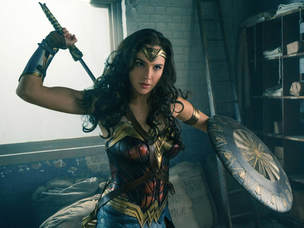
Then there’s the flip side: say you’re writing about a matriarchal society, like the Amazons of Themyscira. Diana’s gender in Wonder Woman had never been an issue or seen as a negative while she was on the island, so she grew up used to female authority being unchallenged and respected. This made for some tense and awkward situations when she went to Europe to fight in World War One.

With writing women characters in patriarchal societies, you still end up following the two-step process above. You just have to ask yourself some extra questions to fully flesh out her personality. The biggest questions are these:

3) Assuming the setting is patriarchal, how did she (or how will she) overcome the systemic hurdles designed to destroy her?

4) How does her upbringing (patriarchal, matriarchal, gender-neutral, whatever) influence her relationship with the other characters?

Picture
Something that failed to do this was The Hobbit movies. As we said earlier, Middle Earth is a male-dominated society. And yet Tauriel managed to become one of the finest warriors in the elven ranks. Not only is she a woman, but it’s also implied that she comes from a lower class of elves, which is the main reason King Thranduil doesn’t want Legolas marrying her. That doesn’t stop her from giving orders and challenging authority. She’s confident, she breaks rules, and she’s a hell of a shot.

So how did she get there?

We don’t know. The Hobbit never goes into her backstory, instead focusing on the romance between her and Kili. This is one of the biggest mistakes authors make when writing women characters. Tauriel is a token. Take her out, and the story is virtually unchanged. Worse, her narrative revolves around a man. She’s not her own person. She’s defined as “Legolas and Kili’s crush.”

Picture
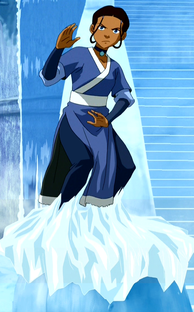
A successful case study would be Avatar: The Last Airbender . Yes, it’s a kids’ show. That doesn’t make it any less of a masterpiece. For the most part, gender is not an issue in the world of the Avatar. There’s a wide variety of girls in this show, but the only one who is treated harshly specifically because of her gender is Katara.

This happens at the end of season one, when the main characters reach the North Pole. Katara has always wanted to learn how to fight with waterbending (re: water magic), which is half of the reason she made this perilous journey in the first place. But the waterbending master, Pakku, refuses to teach her because she’s a girl. Only boys are taught how to fight. Girls with the gift of waterbending are forced to become healers. Katara balks at this, because her home, the South Pole, has no such rules.

This leads to an intense battle between her and Pakku, who is convinced to teach her not because of her fighting ability or passion, but because she’s the granddaughter of the woman he loved and lost. Katara’s grandmother fled to the South Pole because she rejected the North Pole’s gender rules, which makes Pakku realize the horrendous cost of a strict patriarchy. He ends up teaching Katara, and she becomes the greatest waterbender in the world.

Failsafe

If all else fails, try this:

Get yourself some women beta readers.

I am now on Patreon !

Patreon is similar to crowdfunding, in that multiple people support a cause they love and get free goodies as a result. You can donate as little as one dollar a month, or you can give more and gets loads of cool stuff like sneak peaks and free books. Every penny goes toward giving you more good content.

So if you like what you're reading, click here and help me continue to write for you!

    Want more?

    Sign up for the Dragons, Zombies & Aliens newsletter! You'll receive blog posts, videos, and news once a week right in your inbox.
Subscribe to Newsletter
2 Comments
<<Previous

      Subscribe to the DZA newsletter!

      You'll get weekly updates of blog posts, videos, and news, right in your inbox!
    Subscribe

    What's This?

    The first Dragons, Zombies and Aliens ​blog was started in 2015. Somewhere between college coursework, paying rent with door-to-door sales, and keeping up with my sorority sisters, I wrote reviews, rants and commentaries on books, TV shows, and movies. Now, this blog has moved, improved, and the sky's the limit!

    RSS Feed

    Categories

    All
    Book Reviews
    Demonology Files
    Fantasy
    Giveaways!
    Good News!
    Guest-posts
    Horror
    Interviews
    Movies
    Race & Ethnicity
    Sci Fi
    Sci-Fi
    Sexism & Feminism
    Superheroes
    TV Shows
    Writing Tips

    Archives

    July 2020
    June 2020
    May 2020
    April 2020
    March 2020
    February 2020
    January 2020
    November 2019
    July 2019
    June 2019
    May 2019
    April 2019
    March 2019
    February 2019
    January 2019
    December 2018
    November 2018
    October 2018
    June 2018
    May 2018
    April 2018
    March 2018
    February 2018
    January 2018
    December 2017
    November 2017
    October 2017
    September 2017
    August 2017
    July 2017
    June 2017
    May 2017
Proudly powered by Weebly
  • Home
  • About Me
    • Bio
    • Review Policy
    • Contact
    • My Favorites >
      • Books
      • TV Shows
      • Movies
  • Published Works
    • Earth's Final Chapter
    • Novellas & Shorts
  • For Writers
  • Blog