Dragons, Zombies and Aliens
:
The Blog
|
|
|
|
|
We've all heard of the Hero's Journey, one of the oldest story structures in literature. If you've somehow managed to avoid hearing about this trope, I'll direct you to my podcast about it
here
.
In addition to the story structure, the Hero's Journey comes with eight character archetypes, or types of characters that we see repeated across various media. These eight characters appear in almost every story you've ever read, and that's what we'll talk about today. One important note: archetypes are characters, but characters should not be just archetypes. You don't want the entirety of a character's identity to be "the herald" or "the guardian," or you're going to have a very flat character, and thus a very boring story. Many characters play the role of two or more archetypes over the course of a single story. Or the story will drop an archetype completely if their hero doesn't need a mentor. Sometimes these archetypes aren't even characters, but events or forces of nature. Survival stories don't really have a "villain," just a nasty setting and series of rough obstacles. The eight archetypes are good to know for inspiration, and to better understand the inner workings of your own story. So feel free to use the archetypes, but make sure to actually flesh out your characters in a way that they're filling their roles because they have their own reason, and not "the author told me to." Hero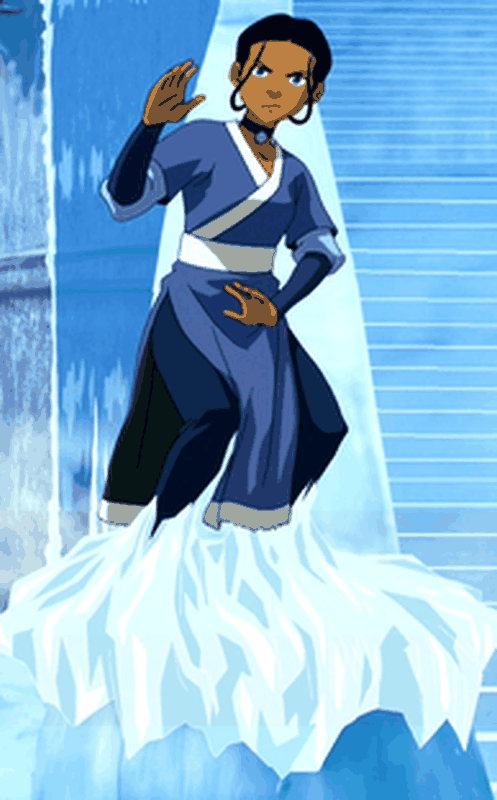
The hero is, unsurprisingly, the main character. The guy we're rooting for. Our eyes and ears into the crazy world they're about to join.
Using the Hero's Journey as a template, the hero starts off in their Ordinary World, whatever that may be: the modern human world, a farm, a near-future dystopia, whatever. In the Hero's Journey, they're flawed. Regular. Relatable. Sometimes you get a James Bond or John Wick, but usually it's more of a Neo or Katniss. Sometimes they're happy and content with their lot in life. Other times, not so much. The hero is usually the first character we meet in a story, and they're always the one we as an audience spend the most time with. I'm not going to tell you how to write a compelling hero. There are already a gazillion blog posts and YouTube videos about that, and we've got seven more archetypes to meet. Bottom line: our hero is our main character living their ordinary life, until the herald shows up. Herald
The herald is the person/creature/event that tells the hero and audience "shit's about to get real." They give the hero their Call to Adventure, bringing about major change in the hero's life and direction of the story.
Going into deep symbolism, the herald represents the hero's internal need for change, that the hero cannot stay as they are. They must change their ways and step into act two. Sometimes the herald is not a character, but an event. Specifically, the catalyst. Or they're the character who plays a major part in the catalyst, like how Effie Trinket in The Hunger Games is just the person pulling names out of a jar. She's not the catalyst herself, but she is the character who triggers the necessary change needed for Katniss to volunteer, and that makes her the herald. Think R2D2 in Star Wars , bringing Leia's distress message to Luke Skywalker. Of course, R2D2 does more than just drag Luke into the story. Most heralds either go on to be allies, mentors, or antagonist. Mentor
Now that the story is kicking into gear, our hero needs to know the ropes. They need a training montage, a guide to the second act's special world, or some equipment.
Enter the mentor, one of the most identifiable character archetypes in storytelling. The traditional mentor is your Obi-Wan, your Gandalf, or some other wizened old person who takes the hero under their wing. They might need a little pushing and prodding to get their elderly butts into gear, or perhaps they doubled as the herald and are directly responsible for involving the hero. Either way, they're an invaluable ally, with a wellspring of knowledge and usually some sort of parental role for the hero. Thus, they have a very high mortality rate. Killing off these kinds of mentors serves not only to deal an emotional blow to your audience, but also drives the point home to the hero that it's all down to them. But old white guys in robes and pointy hats aren't the only option. Sometimes you get reluctant mentors who literally have to be dragged kicking and screaming to teach the hero (Peter Parker in Into the Spider-Verse ). Sometimes the mentors are actually villains who have been raising the hero to be a villain (Ra's al Ghul in Batman Begins ). These mentors either switch sides and join the hero--usually with some sort of heroic sacrifice--or they end up as the Ultimate Villain/shadow and have to be taken down. Sometimes the mentor is a young child who inadvertently teaches the older, grizzled hero about life (Russel in Up ). These types of mentors can even have their own character arc alongside the hero's, making for a richer story. Overly Sarcastic Productions goes more in-depth about mentors in their video here , but the bottom line is mentors come in a variety of flavors, each tailor made for their hero. Ally
If the mentor character teaches the hero how to survive their crazy new world, the ally character supports them. That isn't to say an ally's world should revolve around the hero; that would make for some very poor characters. But allies are just as invaluable to the hero as the mentor and, when done right, usually have their own personal character arcs.
If the hero is Tom Cruise in Mission Impossible , his allies are the people hacking the cameras or distracting the guards while he runs around punching people. Hermione Granger helps Harry research illegal spells and potential suspects while Ron gets him in and out of trouble. Han Solo is, at first, very reluctant to help Luke rescue Princess Leia and only does it for reward money. But after overcoming his own personal demons, he becomes one of Luke's best friends and staunchest allies. In addition to plot relevance, allies help humanize your hero. The best characters are given multiple environments and situations to grow and allow their audience to see all the different sides of them. T he plot gives us ample opportunities to see how our hero overcomes obstacles and bad guys, but the best way to characterize your hero is to throw other characters at them and see how they react. How do they make friends? How do they interact with their peers? If they're some sort of leader or military officer, how do they treat their subordinates? Their family and friends? How your hero treats their allies tells us more about them than a million fist fights. Guardian
Also known as the threshold guardian, these characters serve to test the hero before they can go further. One of the most adaptable archetypes, guardians can be anything, from literal guards at the gate to reluctant mentors initially refusing to teach the hero to eventual allies.
Traditionally, guardians serve as the hero's first obstacle, right before they can get into Act Two. In The Dragon Prince , Callum and Ezren have to make it past their own aunt before properly starting their journey. She's not malevolent; she just doesn't want her two underage nephews to undergo a long, dangerous journey with an elven assassin who tried to kill them in the last episode. It's a fair argument. But guardians also appear elsewhere in the story. They're the villain's henchmen guarding his evil castle that the hero has to either bribe, trick, or defeat in order to enter. They could be protecting a macguffin the hero needs to defeat the villain. They could be a giant monster threatening the princess in the tower. Guardians are either killed, defeated and then forgotten, or turned into allies. It all depends on their character and the hero. Shapeshifter
There is a thin line between hero and villain, ally and threshold guardian. The shapeshifter uses that line as a jumprope. Their loyalty is almost always in question, and they can have some of the most radical character development throughout the course of the story.
These are the characters who start off as the ally's girlfriend only to betray him at the last moment. Or they'll start as the villain's henchman and end as the hero's best friend. Or they'll be a morally gray third party, constantly flipping between helping the hero and helping the villain, constantly looking out for themselves. Zuko from Avatar: the Last Airbender is a terrific example of this, especially in season two. He alternates between trying to capture the Avatar (objectively bad) and helping downtrodden villagers get food and shelter (objectively good). It's not until halfway through season three that he settles firmly into ally/mentor territory. Gollum from Lord of the Rings is another excellent example. Trickster
Sometimes delegated to plain ol' comic relief, the trickster exists to lighten the mood and shake things up. Benevolent tricksters double as allies, cracking jokes and pulling pranks while helping the hero reach their goal. Or, like Dobby, they might
think
they're helping the hero, but in fact are making their situation that much worse.
Sometimes tricksters double as mentors: they're weird, funny, maybe fool the hero into doing household chores for them under the guise of serious training, but ultimately imparting much-needed wisdom and knowledge onto the hero. At the other end of the spectrum are characters like Loki: malevolent, violent, sometimes full-on villains. They think it's hilarious when their pranks end with someone dead. In the middle are neutral tricksters who mostly look after themselves and really only show up in the story to cause chaos and problems for the hero. Maybe they have a macguffin the hero desperately needs. Or they'll be shapeshifters, bouncing back and forth between heroism and villainy depending on which side is safer or more interesting. Shadow
The shadow archetype is the main force opposing your hero, usually represented by an adequately threatening villain. But it's much deeper than that. If someone asked you who the shadow is in
Star Wars
, you'd probably say "Darth Vader." That's not wrong, but the fact is every main character in the
Star Wars
saga struggles with the Dark Side, some more successfully than other. The Dark Side is just as much a shadow as Darth Vader.
The Lord of the Rings gives us two shadows: Sauron and the One Ring with its tendency to bring out the worst in everyone around it. The shadow of The Martian is the planet of Mars itself. Shadows can be internal or external or both, depending on your hero. They almost always prey on the hero's greatest weakness. If the hero wants to defeat the villain, they have to defeat their inner demons, first. Both of them count as the shadow.
0 Comments
Leave a Reply. |
What's This?The first Dragons, Zombies and Aliens blog was started in 2015. Somewhere between college coursework, paying rent with door-to-door sales, and keeping up with my sorority sisters, I wrote reviews, rants and commentaries on books, TV shows, and movies. Now, this blog has moved, improved, and the sky's the limit! Categories
All
Archives
July 2020
|
 RSS Feed