Dragons, Zombies and Aliens
:
The Blog
|
|
|
|
Monday Movie! Wish Upon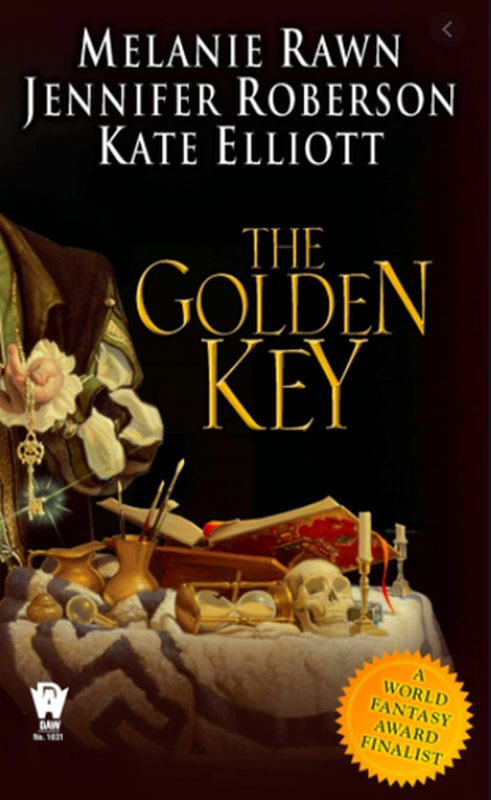
This post will have literally ALL THE SPOILERS for
Wish Upon
. It’s actually more of a scathing, sarcastic synopsis than a review.
Cool? Cool. -- I’m not going to say this movie was horrible. But it definitely didn’t earn more than three out of five stars, and that’s being generous. It’s like if Final Destination and The Monkey’s Paw had a kid who became a total deadbeat who refuses to work and lives in his parents’ basement at age forty. Admittedly, I came into the theater a few minutes late, so I missed the opening scene where Claire’s (the main character) mother Joanna kills herself about ten years in the past (in a later scene, Claire’s dad, Jonathan, muses that Joanna probably had a secret that was too heavy for her to handle. I’m sure that won’t come up later in the film). I came in just as Claire made it to school and was getting bullied by a Regina George rip-off named Darcie, while looking longingly at the Popularity King; this year’s model is named Paul. Meanwhile, Jonathan, a notorious dumpster-diver, finds a Chinese music box and decides to give it to Claire, since she’s taking Chinese in high school. She knows just enough Mandarin to read “seven wishes” in the calligraphy, but nothing else. She dismisses it, then makes a half-serious joke about wishing that Darcie would “just rot.” The next morning, Darcie gets necrotizing fasciitis, an honest-to-god real infection that kills the body’s soft tissue, effectively causing a living person to “rot.” Not so coincidentally, Claire’s dog Max is found dead beneath the house. Claire now knows that the box truly does grant wishes, but hasn’t yet made the connection between the wish and death. And because she’s a teenage girl, her next wishes are: 2 - having Paul fall “madly in love” with her (which causes the death of her rich Uncle August) 3 - inheriting everything August left behind (which causes the garbage-disposal death of a close family friend, Mrs. Deluca) 4 - for her dumpster-diving dad to “stop being so embarrassing” (which eventually leads to the death of…) Claire asks her Chinese classmate, Ryan--the real love interest, being the halfway-decent male with sad doe eyes for our heroine--for help translating the rest of the box. They end up going to his cousin Gina, who studies ancient Chinese. She manages to translate most of the rest of the box: seven wishes, you have to be touching it, if you lose or sell the box all of the wishes come undone...she also finds out that the box’s original owner, a woman in the early 20th Century, made it magic by praying over it for seven days and seven nights, thus summoning a Chinese demon into the box. Fun fact: all of the woman’s enemies were vanquished, she became rich, and she died young via suicide. There’s still one phrase left in the box they can’t figure out while Claire is oh-so-conveniently still in the room, so Gina takes a picture of it and sends it to her friend who might know. Barely hours later, when Gina’s alone, she gets the translation. We only hear that “that’s messed up,” and she calls Ryan while freaking out about it. She’s then killed by tripping and falling head-first into the horn of a bull statue. (Death #4) Wish #5: Claire wishes to become the most popular girl in school. She’s immediately invited to a party and is the talk of the town. She also realizes that her shiny new boyfriend Paul is a total creep who’s been spying on her and taking pictures as she sleeps. In the first smart decision she’s made the whole movie, she dumps his ass. Ryan finds Gina’s corpse. After some more research, he goes to Claire and tells her the translation: “When the music ends, the blood price is paid.” As an added bonus, after the seventh wish the demon comes to collect the wisher’s soul. He tells her about all the other box’s owners, all of whom had seemingly idyllic lives after finding the music box, only to have everyone around them die before they themselves either A) committed suicide, or B) were killed seemingly by accident. Claire finally decides to tell her two BFFs June and Meredith about the box. They don’t take it seriously, although Meredith does take the time to scold her for being a selfish bitch (“If I had seven wishes, you know what I would do? I’d wish for world peace, I’d cure cancer…”) June suggests throwing the box away, but Claire still hangs onto it. Later, during a scavenger hunt, the three go to a hotel. Meredith separates from the rest of the girls to play what looks like a much cooler version of Pokemon Go . At the same time, Jonathan is driving down a dark and windy road. The music box opens, and they’re both put in dangerous situations as Meredith’s elevator is stuck twenty stories up and Jonathan’s car threatens to squash him while he’s fixing the tire. Who’s it gonna be? The father whose death would have the most emotional impact if he was the last to die rather than now, or the sceptical black friend? Hmmm… As the coroners are taking Meredith’s body away, June declares the whole thing Claire’s fault and tearfully storms off. Claire goes to Ryan, and after a brief argument they attempt to destroy the box, only to find that it won’t burn or be smashed by a sledgehammer. She hides it away again, but the next day it goes missing. Ryan is relieved, but it all unravels for Claire. She and her dad lose all the assets her uncle August left them, she goes from the school’s queen to the pariah, and Darcie’s back and bitchier than ever. It turns out June stole the music box, stashing it in her locker to keep it out of the hands of her two little sisters. Claire takes a very Gollum-ish turn and fights June for it, ends up throwing her down the stairs, then threatens Ryan when he tries to take the box from her. Claire returns home and uses her sixth wish to bring her mother back. Joanna comes into her bedroom alive and well. And look, Claire has two little sisters that she’s overjoyed to have! That right there is enough to pull anyone still invested in this movie right out. There’s no way a seventeen-year-old would be thrilled to suddenly have two nine-year-olds invade her bedroom. Jonathan’s happy, Joanna’s happy, it’s Claire’s birthday and she’s prompted to make a wish when she blows out the candles. Everything’s literally sunshine and roses. So of course the next thing the Magic Box of Ironic Doom does is kill her dad. Really, Claire? You didn’t see that coming? You bring back one parent, obviously the other one is out the door. We also learn that (surprise!) Claire’s mother also had a run-in with the music box, and that was why she killed herself ten years ago. That’s the last straw. Claire decides that if the music box can so completely warp reality as to rewrite the past, it can send her back in time (because that makes sense). She uses her final wish to go back to the morning her dad found the music box, and wakes up the morning of with her dog Max on her bed, her father getting ready to dumpster-dive, and her mother still dead as a doornail. Everyone else is alive and well. Claire calls a grumpy, decaffeinated Meredith just to make sure, hugs her dad, talks to Ryan about Gina, etc. Even better: no siblings! Claire goes with her dad on the dumpster-dive, finds the box before he does, and hides it. At school, she goes to Ryan and asks him to get rid of it. After some awkward flirting, dinner plans, and a sporadic kiss, Claire skips off across the parking lot… And gets run over by Darcie. The end! (Honestly, all I could think about was Mean Girls with Regina getting hit by a bus. It almost made me laugh.) Was it worth the $5 movie ticket and ninety minutes to watch this? Yeah, I’d say so. But I wouldn’t go see it again. Not until we can get it for free in the “Meh” Movie Section of On Demand. What were your thoughts on Wish Upon ?
0 Comments
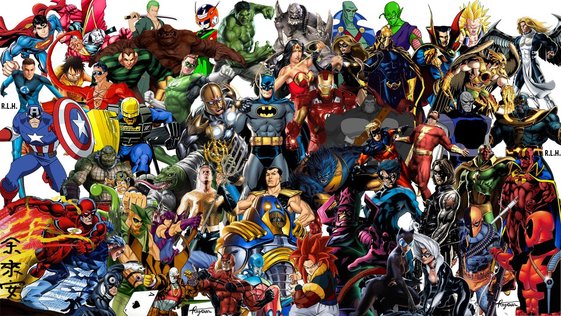
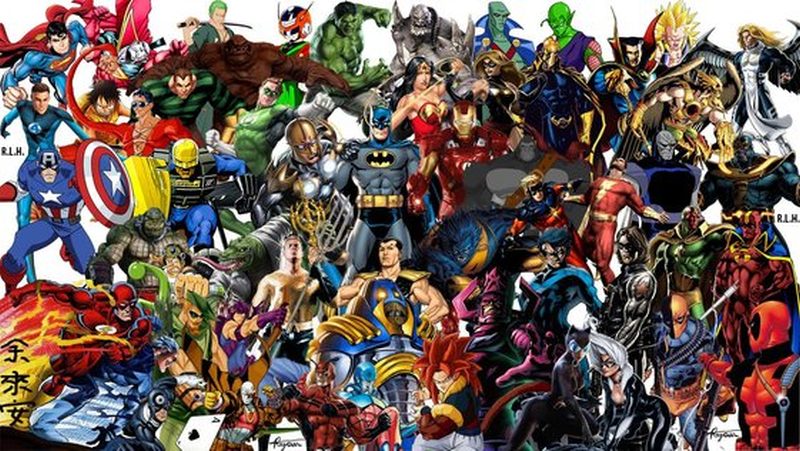
Awesome superheroes are awesome.
Everyone in my family loves superhero movies. In the last ten years we’ve seen almost every one of those blockbusters in theaters. If it’s a Marvel movie, we dutifully sit in the dark for twenty minutes for the end-of-credits scene. When we leave, we geek out in the car and argue over which was the better fight scene.
I loved seeing Steve Rogers get crammed into a tiny elevator with a dozen bad guys and say, “Before we get started, does anyone want to get out?” My heart was broken by Captain America: Civil War and again by Logan . I was enraptured by Heath Ledger’s performance in The Dark Knight . I saw Wonder Woman on opening day and am counting down the hours to Justice League . It doesn’t matter if it’s Marvel or DC. Superhero movies are just awesome. They also destroy young men by promoting toxic masculinity. Whoops! I'm a man-hater.
Before you start blowing up the comments, let me clear up some confusion. Everyone has their own personal definition of what is “masculine” or “feminine.” However, broadly speaking, masculinity is the cultural norm of how men “should” act. It’s
purely a social construct
. What’s considered masculine in China is going to be different from Rwanda, which is different from Brazil. Even within the United States there are differences. For example, the average guy from San Francisco is going to have a different idea of what it means to be a man than a guy from rural Texas.
Masculinity is constantly changing, but it has undergone its most dramatic change in the last few decades. For centuries, Western nations have defined a man’s role as being dominant, aggressive, the provider, the protector, and stoic. Compare this to a woman’s supposed role of being submissive, meek, weak, nurturing, emotional, etc. But with the invention of effective birth control, the women’s rights movement, the work of the LGBT+ community, and now third wave feminism, we’re in a gender limbo of sorts. People of my generation (re: millennials) are having a tough time figuring out the new gender norms . 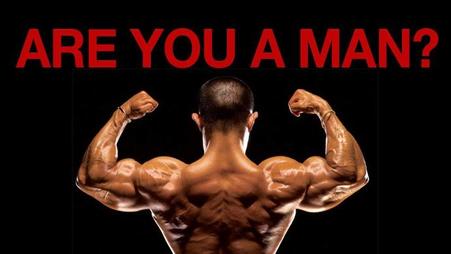
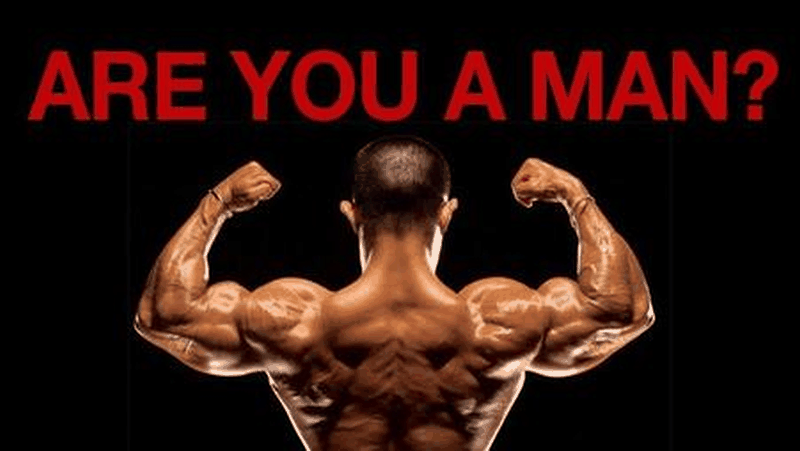
Hmmm...needs more muscle.
With me so far?
Masculinity in and of itself is not a bad thing.
It’s the defining characteristic of most men on the planet. When it’s defined to mean protecting loved ones, taking responsibility, and wearing sexy lumberjack shirts, it’s great (don’t judge me for my lumberjack love; I’m from Minnesota).
Let me repeat: being masculine or feminine is not a bad thing. And, conversely, being both or neither is not a bad thing. They’re just a part of human culture, a way to navigate gender. Most of us incorporate both aspects into our personalities. I use the thin line dividing the two as a jump-rope: my knitting and karate; the mixture of dresses and men’s pants in my wardrobe; my equal love for Metallica, Imagine Dragons, Avril Lavigne, and Florence + the Machine. But like all things, there is a dark side to masculinity. The gross, shadowy corner we’re going to be exploring is called toxic masculinity. What is toxic masculinity, anyway?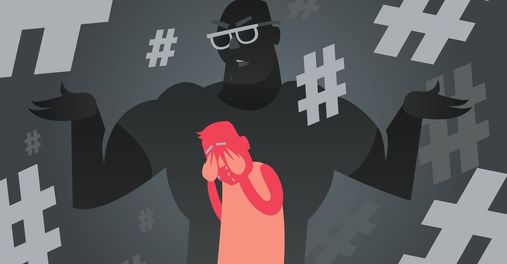
I'm too afraid of what my peers will say if I cry, so I'm going to be an asshole instead.
Toxic masculinity, otherwise known as hypermasculinity, is all the negative traits of what it means to “be a man” boiled together in a thick, nauseating soup. If masculinity is an apple, then toxic masculinity is a rotten apple. This is an excellent definition from
the Good Man Project
:
“ Toxic masculinity is a narrow and repressive description of manhood , designating manhood as defined by violence, sex, status and aggression. It’s the cultural ideal of manliness, where strength is everything while emotions are a weakness; where sex and brutality are yardsticks by which men are measured, while supposedly “feminine” traits – which can range from emotional vulnerability to simply not being hypersexual – are the means by which your status as “man” can be taken away.” Here’s another one from Yan Roblou’s article, “Complex Masculinities: the Superhero in Modern American Movies,” found in Culture, Society & Masculinities, Vol. 4 : “To be ‘masculine’ is not to be ‘feminine’, not to be ‘gay’, not to be tainted with any marks of ‘inferiority’—ethnic or otherwise.” This is the attitude most closely linked to domestic and sexual violence . The idea that emotions are “feminine,” therefore a weakness, is a big contributor to the suicide rate of men , which is three times higher than that of women. It’s the club that has all the “rotten apples” and “not all men, just those men” as members, all those “isolated” incidents that we like to think are just one-offs, when in reality they’re part of a much bigger problem. So what does this have to do with superhero movies?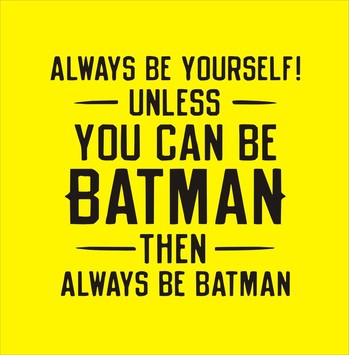
I prefer my parents alive, thank you.
Icons like Captain America and Batman are what set the standard for what it means to “be a man.” They’re our role models, our ideals. How many boys dress up as superheroes for Halloween? How many products read, “Always be Batman?” How many comparisons and compliments are given to men for looking or acting like Superman/Batman/Whateverman?
My recent articles, “Starfleet Miniskirts: Really?” and “How Sexism in Speculative Fiction Contributes to Rape Culture,” received a lot of criticism by men saying that Star Trek , James Bond, and Bruce Wayne are not real, that they’re just movies, so it’s not a big deal. But it is. What we see on screen, we emulate in real life. Hollywood has more power over our cultural and social norms than the White House. If the “ideal man” as seen on TV bottles up his emotions, solves problems with his fists, and interacts with women only for sex, then that’s what the fans are going to do . Don’t believe me? 1980s Ireland had horrible censorship laws, and a writer who grew up in that environment said: “In this fairly bleak landscape there were moments of brilliance that to this day stand out in my mind with crystal clarity. TV programmes that somehow escaped through the web of censorship and repression and talked about difference, love, equality, social justice and inclusion. Almost invariably, these programmes were science fiction, embodying an almost impossible vision of Utopian society and optimism about humanity. Hulk; Spiderman; Batman; Wonder Woman and of course, Star Trek. For better or for worse, my personal ideals and values and social justice dreams were set by utopian science fiction and the superhero genre , and I have never doubted the hugely important power of the media to teach and model.” As much as we try to deny it, we surrender an awful lot of power to our televisions. This is why we need to pay special attention to the messages it sends to us and our kids. Movies that promote toxic masculinity: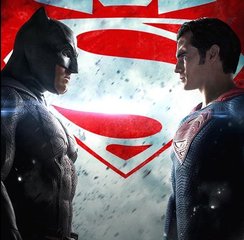
There's no way we can talk this out like rational adults, so we're going to try to kill each other instead.
Marvel and DC teach us that all problems are solved by punching each other in the face:
“A staple of the superhero genre is the tendency to concoct these elaborate scenarios in which the iconic “good guys” end up having to fight each other for some reason or another. This is often framed as a way to resolve their interpersonal issues before they can go beat up the “bad guys” and save the world. Look no further than Hulk’s rampaging brawl with Iron Man in the second Avengers film, or Batman’s upcoming cinematic showdown with Superman. They’re the blockbuster versions of kids arguing in the schoolyard about which superhero would win in a fight. The ultimate macho pissing contest. Who’s the toughest tough guy of them all? This is evidenced by the showcasing of fights between Thor and Iron Man, Bucky Barnes and Captain America, and so on and so forth. Heck, now we even have Kirk and Spock throwing punches at each other on the bridge of the Enterprise in the rebooted Star Trek movie, Starfleet protocols be damned.” ( Pop Culture Detective Agency ) The movies mentioned above (in order) are Avengers: Age of Ultron , Batman v. Superman , The Avengers (2012), and Captain America: the Winter Soldier . We also have the horrible Spider-Man 3 where Peter and Harry have to brawl each other before going after Sandman (I’m sorry, did I just remind everyone that this film exists? My bad). Oh, and there’s Ant-Man . His first interaction with Falcon was a fistfight, after which Sam Wilson apparently decided, “Yeah, he’s cool enough for #TeamCap.” Guardians of the Galaxy is another. All five of them were trying to kill each other before they teamed up to break out of prison. The list goes on. The Dark Knight Trilogy manages to avoid this trope, but it has an arguably worse flaw. Batman is supposed to be untouchable and stoic, being a symbol of justice and awesomeness and whatnot. Bruce Wayne, on the other hand, is a human being. And the only emotions we ever get from him as an adult are anger, occasional dry amusement, and...yeah, that’s it. The rest of the time he’s pretty much emotionless with a resting bitch face. We get one tiny scene of sadness after Rachel’s death (no tears, of course), and that’s it. Other action movies pose the same problem: the Die Hard series, the Fast and Furious franchise, the John Wick movies, etc. These men are getting shot and watching friends get killed before their eyes, yet they only dwell on it for a few seconds before moving on to the next bad guy. The message is loud and clear: if you have a problem, your first reaction should be to kill it, and you’re not allowed to cry, be cutely happy, be afraid, or be anything other than angry. Unless you have a vagina. Movies that fight toxic masculinity:
Always look for the silver lining.
Counter to Batman v. Superman , Captain America: Civil War at least ended on a realistic note. All the problems that started the inter-Avengers war are still there at the end of the movie, and they’re exponentially larger because of the fighting. It also does a much better job of coming up with a reason for why these two otherwise intelligent, adult men would want to beat the crap out of each other, unlike BvS . But even then, the only “acceptable” way to handle the situation as it escalates is anger and violence. Honestly, if Black Panther had done two seconds of research, he would’ve realized there was no way the Winter Soldier would be caught on camera during a mission, and was therefore framed. It’s been argued that Man of Steel takes a small step in the right direction. Earlier versions have Clark Kent erase Lois Lane’s memories whenever she finds out he’s Superman (because, apparently, he can do that?). In this version, however, he does not. He respects her enough and trusts her not to blab to the media, even as she works for the media and is in fact a better reporter than him. More than that, we see Clark get bullied and picked on, both during childhood as well as adulthood. Instead of stomping on those puny mortals to prove he’s tough, he stays rational and deals with it without resorting to violence. Iron Man 3 gave Tony Stark PTSD, which is an incredibly realistic response to trauma. You can’t tell me Hawkeye doesn’t have the same problem after Loki took over his mind. Tony’s breakdowns do not emasculate him. They show us that he’s human. They present a harsh reality that many real people go through and, if anything, they make us respect him more. But the real progress has been Wonder Woman . Granted, it certainly helps that it centers around Diana rather than the male lead, Steve Trevor. But Steve and his peeps are great around their Amazon ally. They help her rather than try to one-up her. Sameer flirts with her, but never crosses that line that separates “playful flirt” from “creep.” Charlie has two PTSD flashbacks, but his friends don’t see him as weak because of it. Even the villain, General Ludendorff, views his female partner Dr. Poison as an equal who deserves respect, and they’re not even romantically involved. What arguably does an even better job than Wonder Woman is Pixar’s The Incredibles (which came out in 2004) . Bob Parr (Mr. Incredible) is an emotional wreck, and it’s completely understandable. He loses the life he loves, has a chance to get it back, gets betrayed, then is told that his entire family is dead. Of course he’s going to break down. And of course he’s going to be remorseful when they’re all taken captive. Later, he tries to convince his wife to stay out of the fight because he’s afraid of losing her again. That plans lasts all of five seconds before the whole family takes down the giant killer robot. Is Mr. Incredible any less of a man for crying over his “dead” family, emotionally apologizing for screwing up, and then working with his wife to save the day? I don’t think so. 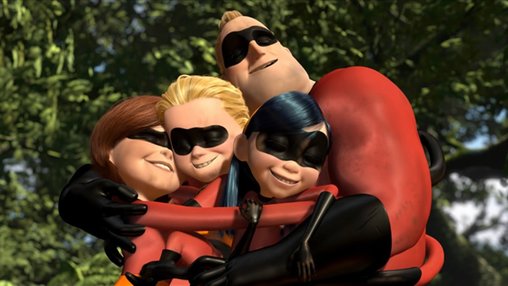
Pixar: showing us how it's done since 1984.
Now what?
Am I suggesting we have our heroes try to talk about their feelings with the Joker, or try to hug it out with Ultron? Of course not. The last time someone tried that with Joker, she ended up as his psychotic girlfriend, and if there weren’t big explosions and epic villain defeats we wouldn’t have these movies in the first place.
The problem is that so many of these male characters are essentially robots. They do all these great things, go through so much trauma, and the vast majority of them don’t even blink. If they do have an emotional response, it’s anger. These are the kinds of characters held as role models to modern men and young boys. Do we really want a twelve-year-old boy scolding his friend for crying because his heroes on screen never shed any tears? Do we want the ten-year-old dressed as Batman for Halloween to try to go through life alternating between emotionlessness and anger? Do we want these boys to learn that the only way to solve their problems is with their fists, or a bomb? Because that’s what they’re learning.
Monday Movies!
Reviews for new movies will be posted on Monday, assuming I can catch them on opening weekend. Minor spoilers for Wonder Woman . 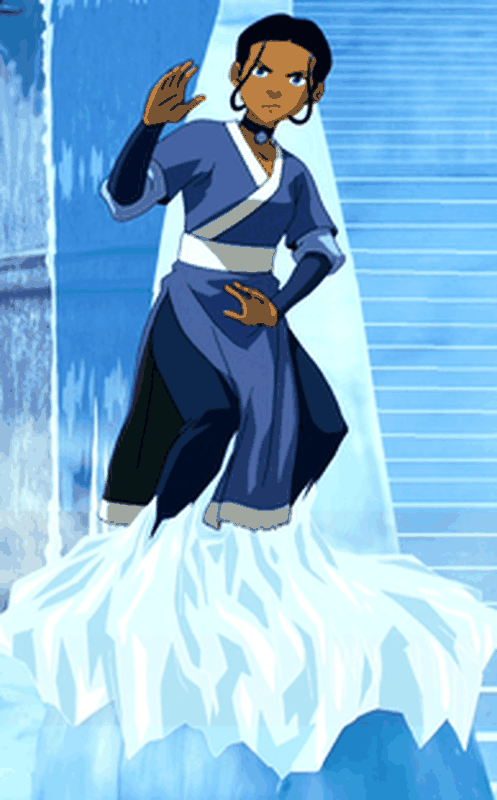
By now you’ve probably already heard the news:
Wonder Woman
is awesome. Moviegoers can’t stop raving about it. You may have also heard
the very few negative reviews
that focus more on Gal Gadot’s body, or the fact that the film is too “PC” to be a good superhero movie. Luckily, they’re vastly outnumbered.
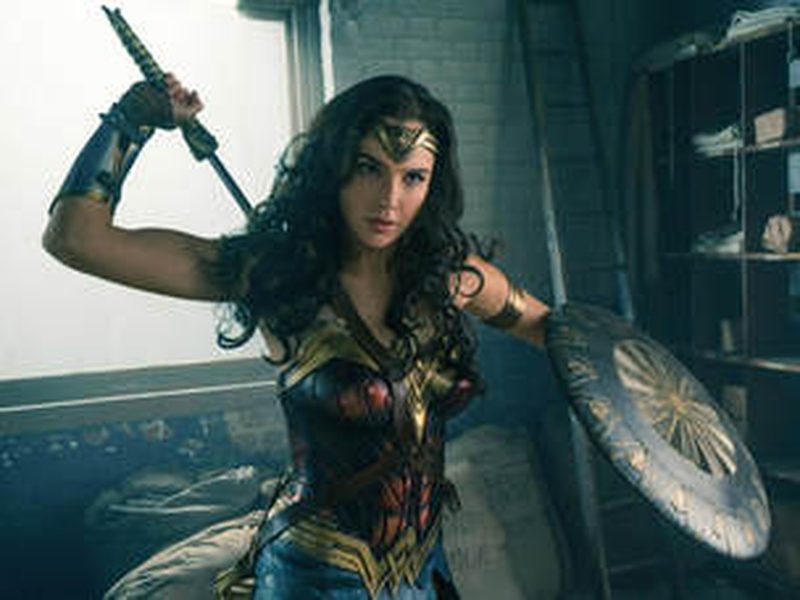
My greatest concern for the movie when I stepped into the theater was that there would be a romantic subplot. Remember in Batman v. Superman , near the end, Wonder Woman says that “a hundred years ago I turned my back on mankind,” because of the horrible, bloody things we do to each other. Of course, it could actually mean that she turned away because her poor little heart was broken by a boy she liked. Everyone knew that Chris Pine’s character wasn’t going to make it. Would his BAMF death be the shallow reason Wonder Woman turns away from humanity, rather than the gas, the bombs, the disease, and all the other terrible travesties of war? That was my greatest fear. Obviously there is chemistry between Wonder Woman and Chris Pine’s character, the only British spy who does not have a British accent. They do have a short (and, to be perfectly honest, adorable) fling. But thankfully it’s an added bonus, rather than the focus of Diana’s character. We see her go from a fearless newbie who knows nothing about the world to a wiser, powerful superhero. The romance is an important factor in that transformation, but it is far from the only reason she changes. 90% of the movie is on-the-nose gender jokes and slow-motion, 300 -esque fight scenes. In other words, a standard superhero blockbuster. It was a great movie, and one that was long overdue. Wonder Woman was created in 1941, and this is her first-ever live-action, big-screen movie. With Captain Marvel scheduled to come out in 2019, it might be enough to convince Hollywood to make a few more woman-centered superhero movies.
What did you think of
Wonder Woman
?

This post was first published in February 2016 on the original Dragons, Zombies and Aliens website on Blogspot.
I’m gearing up for the CONvergence-Con in July, which I am super giddy about because it’s going to be my first time on a panel. It’s also going to be my first Con. I admit I’m a little nervous, but since the topic is “New Hollywood Tropes,” I should be fine. I probably won’t be cosplaying, but I will be enjoying other people’s outfits. I’ve already started browsing online, and I am impressed. The theme for this year’s CONvergence is To Infinity and Beyond, so we’re going to be seeing a lot of Whovians, both sides of the Force, and Trekkies. The first time I saw a Star Trek uniform for women, my first thought was Oh, that’s cute. And it is. Those dresses are adorable. But then my second thought was, Wait, why is a government uniform "cute"? I thought back to the movies and the show and realized that all of the women are wearing miniskirts. In the military. At work. 300 years into the future. Really?
Yes, yes, I know. Starfleet isn't actually a military despite the guns and wars and ranks. But they are a government program with a ranking system based on the U.S. Navy, and its people spend an awful lot of time traipsing through strange wildernesses and fighting hostile aliens. Have you ever done any of that in a skirt? Not fun. Not fun at all.
I can understand the original series (TOS) having the skirts. It premiered in the 1960s, just when women empowerment and second-wave feminism were starting. And I give full props to the writers for having so many women characters, the first interracial kiss on television , and all the other progressive values and philosophies that we all love, from a time period where that kind of thing could've easily gotten them fired. Or worse. So I'm not going to go nuts over the costume designs of a brilliant TV series from fifty years ago, even if they are a bit objectifying. It is now the 21st century, people. Starfleet is supposed to be a peaceful, quasi-military based off of the U.S. Navy, right? Well, here's a modern-day women's uniform worn by officers in today's Navy: 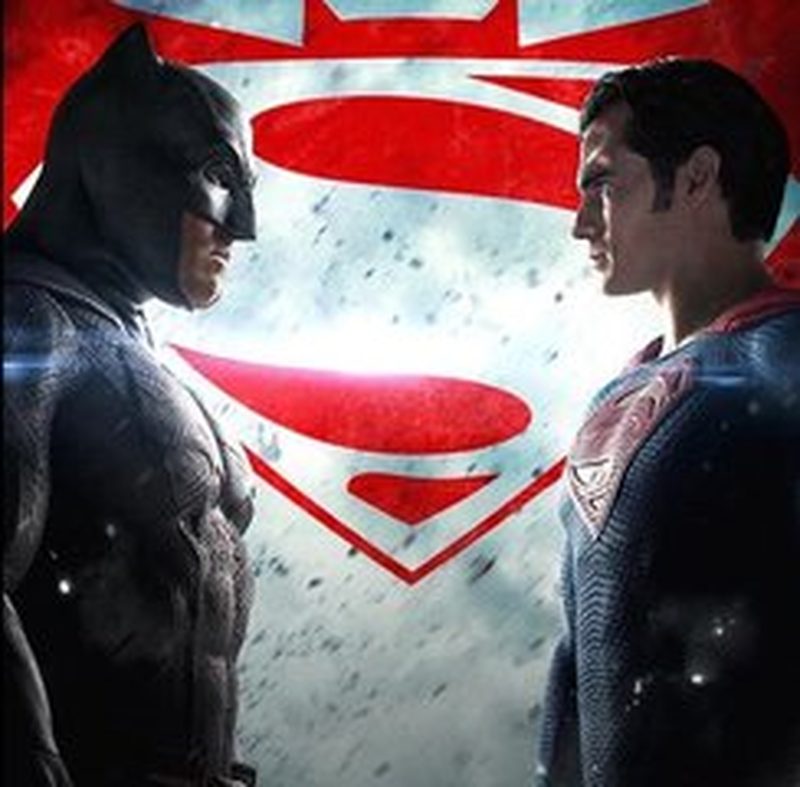
Here is the Starfleet uniform for men. Note the lack of skin showing and objectifying the body, because these are work uniforms.
And now, Starfleet standard issue uniform for women, both in the original show and from
Into Darkness
:
I don't know about the rest of you girls, but I would freeze my ass off in this. And running away from aliens and monsters and all around the ship? Forget it. So I'd petition for long pants for the winter wasteland planet and shorts for Vulcan, something the guys should have, too. We don't want anyone getting heatstroke here.
Now, in researching this blog post, I did see a few exceptions. Whenever a captain or other high-ranked woman outside of The Enterprise appeared on the original series, they were often in pants, not a miniskirt and tights with knee-high boots. Next Generation (which aired in 1987) had women who didn't wear miniskirts either: 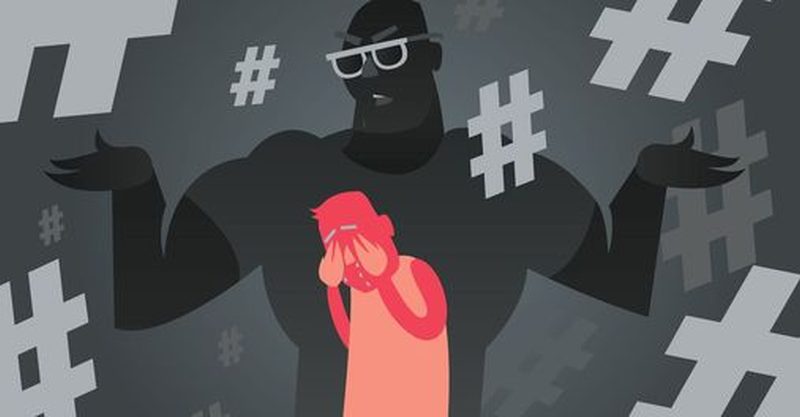
I had to wade through a lot of little tight dresses and questionable Halloween costumes to find this, so I hope you're happy.
This means we went from having some women in miniskirts and some women in pants in the 1960s, to most women wearing realistic quasi-military uniforms in the 1980s, to all miniskirts all the time in the Alternate Original Series in 2009, with a few exceptions from Uhura and one scene from Carol--after being shown in a bra and panties--that put them out of uniform.
The miniskirts look great and are sexy, yes. But woman officers do not get their position by looking great and being sexy. They get it the same way Kirk and Spock and McCoy and all the others did: hard work, talent and skill, and an unhealthy dose of stubbornness. They do not deserve to be objectified by skin-tight dresses. There is no way in hell that miniskirts would be the standard issue quasi-military uniform in a society as progressive as the Federation. When the next Star Trek movie comes out, I really friggin' hope that we see some more realistic uniforms. It's probably not going to happen, but I still hope.
What do you hope to see in the next
Star Trek
film? Leave your comments below!
Growing up, I loved hearing the words
strong female character
("SFC"). By the time I'd hit middle school I was boiling with anger. Not just because of awkward adolescence, but because I was sick and tired of seeing the same old damsels in distress and sexualized romantic interests in my favorite movies and series. I wanted more Mulans, but instead I got a truckload of Sleeping Beauties. And occasionally, an action movie or sci-fi book would deliver my semi-regular SFC.
Except they didn't. As I grew older and better at writing stories myself, I began to notice a problem with the "strong female character." They weren't characters at all. They were tokens. Something to get the "feminazis" off of the writers' backs, and maybe throw in some overused sexual tension for the main (man) character. Worse: they were grossly sexualized. Jessica Rabbit's exaggerated curves and revealing dress speak volumes. So we need to get rid of the very idea of the "strong female character" for a variety of reasons. These are the big three. The first problem is the term itself: strong female character. Not everyone with a uterus is a woman, and not everyone with a dick is a man. 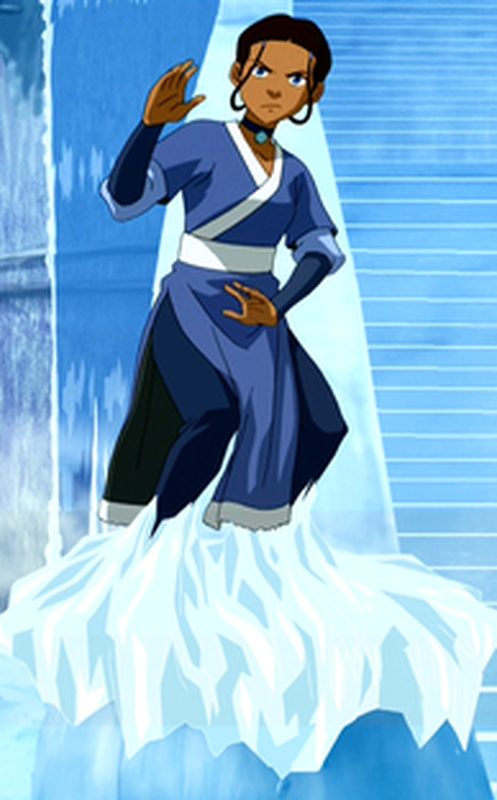
Strong
female
character?
Bitch, please.
And what does
strong
even mean? Physical muscles? Confidence? Emotional endurance? Why do we need the word in the first place? It's never in front of "male character."
Easy answer: men are automatically assumed to be "strong," and women weak. So when producers and directors say that they have a "strong female character" in their movie, it's like saying, "Regular women are pathetic wimps who can't do anything. But this person is strong and capable." More on this later. 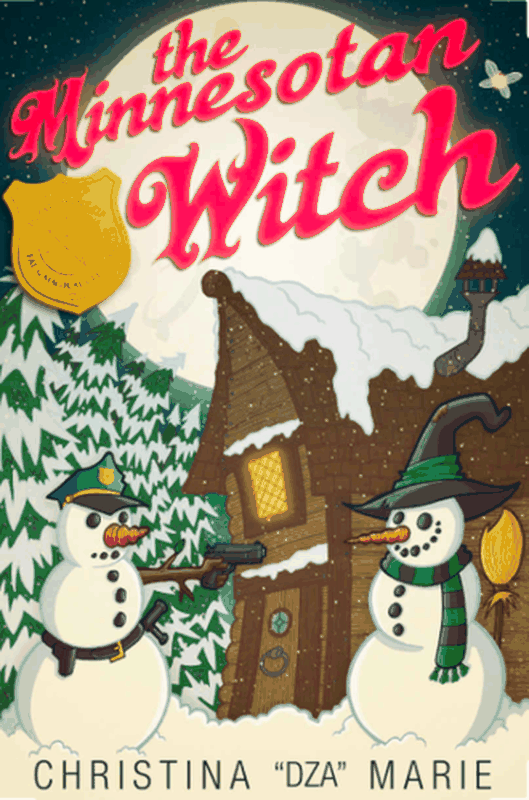
Second problem. Let's assume that
strong
means "capable of looking after/rescuing herself." Essentially the writers are trying to create the exact opposite of a damsel in distress. That's a noble effort, so long as the character doesn't end up needing to be rescued anyway. Not that she should be invincible; she'd be boring if she was. But she should rescue the man at least as often as he rescues her. You know, that whole equality thing.
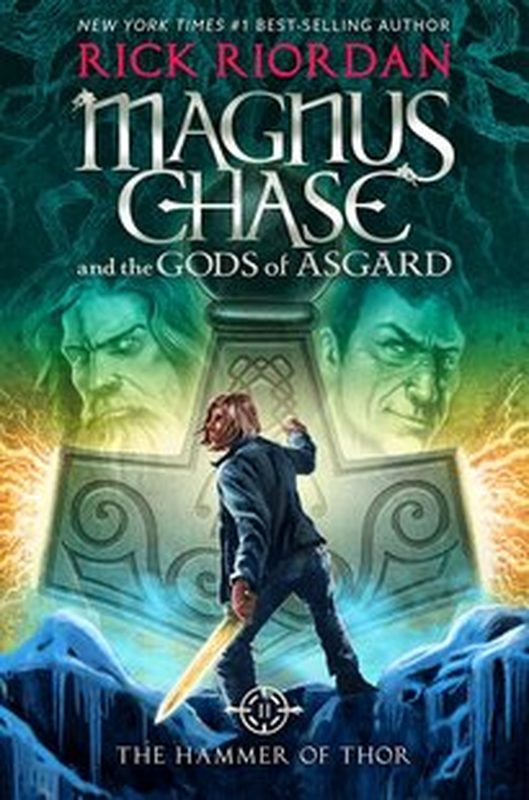
Good examples of this give-and-take are the characters of the Percy Jackson series, particularly Annabeth Chase , daughter of Athena. For all her intelligence, she does need help getting out of tough situations from time to time. The entire third book The Titan's Curse was dedicated to Percy going on a rescue mission after she was kidnapped, and he got critical help from Thalia and a couple of Hunters of Artemis, all of them girls. This was one book after Annabeth rescued Percy in Sea of Monsters when he was turned into a guinea pig by a witch and two books after she saved him with her intelligence a half a dozen times in The Lightning Thief. In all the books after Titan's Curse , Annabeth routinely battles and outsmarts monsters, Titans, and giants, often saving Percy's life as a result. But as for stories that aren't written by Rick Riordan, an embarrassing number of "strong female characters" need rescuing by the man, and at no point is she given an opportunity to return the favor. Worse, she who has trained for years in the military, or was designed to be a weapon, or is otherwise entirely qualified to do whatever dangerous thing she and the other characters are doing, she must be rescued by a bumbling beginner. The guy who just entered the adventure, who has zero experience and very little idea of how to defeat the bad guy, ends up rescuing the supersoldier. In what world does that make sense? The entire point of the SFC's existence--being a kickass woman who "don't need no man"--is completely undermined by falling into the ancient damsel in distress trope. Just look at Gamora in Guardians of the Galaxy (twice!) and Valka in How to Train Your Dragon 2 (also twice).
The third and final problem with SFCs is the most aggravating to me as a professional writer: it's lazy storytelling.
Black Widow (a.k.a. Natasha Romanov) in Age of Ultron was so disappointing because the writers didn't go into her complicated, mysterious past as much as they should have. During her conversation with Loki in the first Avengers movie, she mentions that she's on the team to balance out the "red in my ledger." To which Loki replies, "Can you? Can you wipe out that much red? Dreykov's daughter, Sao Paulo, the hospital fire? Barton told me everything. Your ledger is dripping, it's gushing red, and you think saving a man no more virtuous than yourself will change anything?" 
There are three things in that single line of dialogue that make us go
wait, what?
It's the doorway to an excellent redemption story not unlike Tony Stark's. But instead of doing that, the writers decided that Black Widow's story in
Ultron
would be how sad she is that she can't be a mommy, and that
that's
what makes her a monster (which is a whole other rant altogether). The romantic subplot between her and Bruce Banner made her flat and two-dimensional, when she could've been one of the most intriguing and awe-inspiring characters in the movie.
Unfortunately, Natasha has lots of company. There are dozens of other intriguing women who've been doomed to a dull love interest: Trinity from The Matrix, Tauriel from The Hobbit trilogy, and Grace in Armageddon . 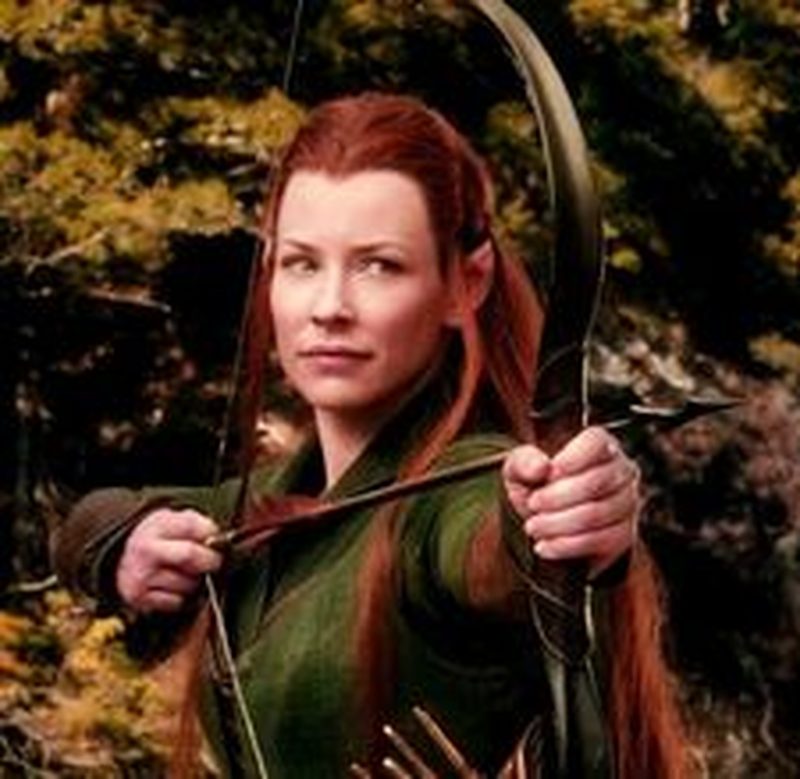
Not to say that all traditional SFCs
in books and television are flat and undeveloped, or even those caught up in romance. Buffy has to juggle school, family, friends, love life and work with her Slayer duties, putting her and her friends through rigorous character development throughout the show. Annabeth cuts down more monsters than almost any other demigod in Camp Half-Blood while struggling to overcome her personal demons of pride and betrayal. Brienne of Tarth is loyal to a fault, yet she does not play well with others; in fact, she usually cuts them in half.
So, yes, you can have some kick-ass heroines with swords and stakes and guns. That is not the issue here. The issue is when that is all that defines them. Buffy isn't a classic character of the vampire genre because of her karate skills. It's her ongoing struggle to try to live a normal life with friends and family while everything else is (literally) going to hell. Annabeth doesn't inspire thousands of Percy Jackson fans because of her knife, but because of her strong sense of purpose and confidence. Brienne's story in Game of Thrones is interesting not because she's hacking sexist jerks in two ("It's a bloody woman!"), but because of the difficult choices she makes. W hen she and Jaime were on opposite sides of the siege at Riverrun, she told him that she would do battle with him despite their friendship (and her crush) because "honor compels me." But I don't consider them "strong female characters." They all have strength , of course; physical and emotional. But why would you use "strong" to describe someone like, say, Hermione Granger? The first words that come to mind for this classic witch are intelligent, stubborn, brave, arrogant, compassionate, and loyal . Not once does strong ever pop into my head.
Cool quote:
"I think the major problem here is that women were clamoring for “strong female characters,” and male writers misunderstood. They thought the feminists meant [Strong Female] Characters. The feminists meant [Strong Characters], Female." --Shana Mlawski
A character--man, woman, or anyone else--does not become a memorable, flesh-and-blood person in the eyes of their audience just because there's a sword in their hand.
What makes them great characters is that they drive the story
.
For example: the blind fighting champion Toph Bei Fong from the Nickelodeon series Avatar: the Last Airbender embodies all the stereotypes of the "strong female character": she's cocky, a total tomboy, loves fighting and dirt, she's stubborn and often arrogant, but deeply loyal and loves her friends. And those stereotypical features work because she has clear motivations and a narrative arc. She wants to get out from under her oppressive parents and save the world, and while that largely includes teaching Aang (the main boy character) how to earthbend (basically earth magic, for the uninitiated), it also involves fighting alongside her friends while they storm castles and kingdoms, inventing an entirely new branch of earthbending, discovering a passion for teaching, and trying to reconcile with her parents. She does finally get back on good terms with her father, but only when he accepts her as who she is, instead of her "softening up" (re: becoming more feminine and taking a back seat).
Opposite of Toph is
Daenerys Targaryen
from
Game of Thrones
. She's very feminine, wearing dresses and makeup and chatting with girls about boys in her down time. She has no military training and relies heavily on her bodyguards if she's caught in a physical fight. But she doesn't need a sword. She doesn't even need her dragons to be badass. She takes what she has--essentially nothing--and ends up with a massive army, three dragons, and ultimate authority over half the continent. She refuses to be tucked away into the Dothraki Sea when the horse lords capture her, and instead kills all of their leaders in one blow with a couple of friends and some kindling. And now the seventh season will be completely defined by her invasion of Westeros. As it happens, her main opponent is also a woman: Cersei Lannister, another great (though certainly not
good
) woman character.
The main takeaway is this: the strength of a character is not determined by how many bad guys she can kill or how sexy she looks with a gun. It's determined by her power over the story. If she has none and is only there as decoration/sex appeal/tokenism, then she needs to be rewritten. Maybe give her some girlfriends so she's not the token of the boy band. But if she has significant influence over the plot, then she truly is a strong, woman character.
I am now on
Patreon
!
Patreon is similar to crowdfunding, in that multiple people support a cause they love and get free goodies as a result. You can donate as little as one dollar a month, or you can give more and gets loads of cool stuff like sneak peaks and free books. Every penny goes toward giving you more good content. So if you like what you're reading, click here and help me continue to write for you!
Interesting counterargument to Valka being a damsel in distress:
"Why
How to Train Your Dragon 2
is a Radical Feminist Triumph"
Know any good movies, shows or books with badass women? Comment below!
These days, almost everyone's stumbled across the term "whitewashing." With Scarlett Johansson in
Ghost in the Shell
, Tilda Swinton in
Doctor Strange
, and everyone in
Noah
--among many, many others--there are hundreds, if not thousands, of articles about Hollywood's race problem. And yet, some people are still confused about what whitewashing is and why it's so offensive. Worse, they tend to confuse it with racebending and are more offended by that. Hence, this beginner's guide. Because if those other thousands of articles didn't get the message across, surely this one will!
(Hey, a girl can dream, right?) Whitewashing
Everyone's heard of blackface, right? Back in the day, white actors would smear inky makeup over their faces to play black characters, usually in a horribly stereotypical, mocking manner. They did the same thing with Asian characters, and every other character of color. Thank goodness we don't do that anymore, right?
Well... Hollywood might not practice blackface (or yellowface, or brownface, or redface) as much as it used to. Instead, they just hire white actors to play non-white roles, a practice called whitewashing. It's basically the same thing as blackface, except without the makeup. One contemporary example is The Lone Ranger . When the show aired in the 1950's, the role of the Native American warrior Tonto was played by Jay Silverheels , who was, in fact, a Native American himself (born on Canada's Six Nations Reserve). But when they made the movie in 2013, Tonto was played by a very white Johnny Depp . When the 1950's is more culturally sensitive than a movie in the 21st Century, you've got a problem. Generally speaking, unless a character must be played by a person of color--such as Nelson Mandela, Solomon Northup from 12 Years a Slave , or any person that the vast majority of viewers know for a fact is not white--Hollywood will cast a white actor. If a white actor can pass or "pull off" the look of a character of color (especially Asians), they will be cast as those characters. If Hollywood can ignore the ethnic backstory of a character and simply say that person is white--such as the Hispanic Alisha Nash played by Jennifer Connelly in A Beautiful Mind --they will cast a white actor. That's whitewashing. 
The problem gets worse when you consider the
already-limited roles
for characters of color. Take action and superhero movies, for instance. Think of a superhero. Any superhero. Let me guess: it's a white man. That's because the vast majority of superheroes are white men. Look at last year's
Captain America: Civil War
. The story centers around Steve Rogers and Tony Stark, both white men. They each have 1-2 black sidekicks on their teams (Sam Wilson, James Rhodes, and King T'Challa). They each have one woman (Wanda Maximoff and Natasha Romanov, also both white). Everyone else, and the vast majority of the supporting cast and extras, are white men. Well, and Vision, who technically doesn't have a race. But since he's played by the British actor
Paul Bettany
...
Basically, each team made sure to have just enough token characters so they could say they weren't being racist or sexist. Every other superhero movie is pretty much the same. Black Panther comes out in 2018...and that's it in terms of superhero movies that center around characters of color. Ghost in the Shell was supposed to be another POC blockbuster, but instead they changed the lead from Japanese to white. If you're a black, Latinx or Asian actor, here are your options: -sidekick (see above) -a teacher/guide who ends up killed (such as the Ancient One in Doctor Strange ...oh, wait, that was played by a white woman) -or a villain (such as the Punisher's villain Barracuda ). And even the villains are slim, especially in action movies, who tend to have a hot white British guy instead. Basically, whitewashing is filling as many roles as possible with white actors and limiting already slim pickings for actors of color. It's a practice that Hollywood has been doing for as long as there have been movies. Racebending
Deadshot in
Suicide Squad
: comics (left) and movie (right)
So what happens when a person of color plays a traditionally white role? That is two things. One: rare. Two: that's racebending. It's basically the flip-side of whitewashing.
And it's a good thing
.
Remember, actors of color have slim pickings and limited opportunities in Hollywood, while there's a surplus of white roles. Plus, there's no history of black actors diminishing, minimizing, and mocking white people as a whole on a massive scale. So there is no reason to be upset when directors decide to practice racebending. In fact, that's reason to celebrate.
Case in point:
Suicide Squad.
In the DC comics, Deadshot is white. Yet they cast Will Smith in 2016. (Cue
major controversy
and racists losing their heads.) Obviously, Smith isn't going to have much trouble getting work, especially for action movies. But
Shailyn Pierre-Dixon
wouldn't have been able to play Deadshot's daughter if they'd gone with a different casting choice. Meaning she wouldn't have been able to put "played a minor character in a blockbuster superhero movie" on her IMDb profile, like the children in
Ant-Man
,
Avengers: Age of Ultron
, and
Iron Man 3
.
Although to be fair,
Suicide Squad
isn't the best example. While Deadshot is one of the protagonists (re: a character you're rooting for), he is still a villain. A better example would be
Aquaman
in the new D.C.
League of Justice
reboot; the usually blond King of Atlantis will be played by the native Hawaiian Jason Momoa. Or
Nick Fury
, who started the comics as white before they made him black in another universe and hired Samuel Jackson for the Phase Three Reboot.
Bottom line: white actors need to stop being greedy and hogging all of the roles that should go to actors of color. Honestly, they're acting like little kids grabbing all the cookies out of the jar, and the parents--re: the casting directors--are encouraging it. They're shoving the cookies in those kids' hands while the black, Asian, and Latinx kids only get the crumbs. It's unfair, annoying, and getting really boring. The best way to end whitewashing is to pay to see movies that practice racebending, and boycott the others. I mentioned last week that I did not go see Ghost in the Shell , and not just because it's apparently a stinker (although that certainly made boycotting it a lot easier). If you don't want to see white actors plays characters of color, then don't pay to see it.
Know any good movies or TV shows that have been race-bent? Comment below!
Most of us have probably heard the term “rape culture” before. Its definition is “an environment in which rape is prevalent and in which sexual violence against women is normalized and excused in the media and popular culture.” A good example is
this article
from Everyday Feminism, which describes ten pop culture characters who stayed friends or lovers with their rapists, usually as the punchline of a really bad joke.
There are dozens—if not hundreds—of factors that play into and influence rape culture, which in turn influences us . I’m going to focus on how sexism in our movies, TV shows, and books fuels that culture. In other words, we’re going to talk about how those rape jokes everyone laughs at in the theater lead to a more dangerous environment, especially for women. At this point I should mention who exactly rapists and rape victims are. Perpetrators are usually—but not always—men. Victims are usually—but not always—women. Stats vary from CDC to WHO to FBI, but the general consensus is that roughly 1 in 6 women in America will be raped/sexually assaulted in her lifetime (1 in 4 if she’s on a college campus), which translates to one every two minutes. 1 in 8 rape victims are men. This does not mean that 1 in 6 men are rapists, but it does make the problem and the perpetrators a lot more common than most people realize. Perpetrators are not abnormal. They’re not sociopaths or psychotic or crazy old men who hide in the bushes. Their average age is thirty-one, and slightly more than half of them are white. Most don’t even think they’ve committed a rape, and even more believe they didn’t do anything wrong. (More stats here .) So with that in mind, this article is going to focus primarily on heterosexual rape (re: man-on-woman), as that is the most common form of rape, and the kind our movies, shows and books encourage. The fact that Hollywood has a sexism problem is no secret. The lack of speaking roles for women, the fact that so many of their roles are reserved for the young and pretty , and how those roles are limited to that of girlfriend, mother, and daughter have all been documented and argued over for years. The internet is saturated with editorials and commentary of how we need more women in our movies, more diverse women, more diverse roles, etc. One excellent example of that sexism is the romantic comedy. I don’t like rom-coms anyway: the clichés, the tropes, the sheer ridiculousness of the entire premise, and, of course, the sexism. But while drowning the female lead in stereotypes that paint all women as men-crazed fashionistas who go into credit card debt for clothes is bad enough (or the opposite: men as unfeeling jerks ruled by their penises), there is something much worse: the use of stalking . Stop me if this sounds familiar: he wants her, she doesn’t want him, he keeps pursuing her and eventually she falls in love with him. That’s not just inaccurate, that’s dangerous . It teaches men to ignore a woman’s clear discomfort and fear, and even an outright “no” if she’s confident enough to try to put a stop to it. It teaches women to be flattered by his “persistence.” Worse, law enforcement agencies do not take complaints of stalking seriously, and often laugh in the victim’s face. 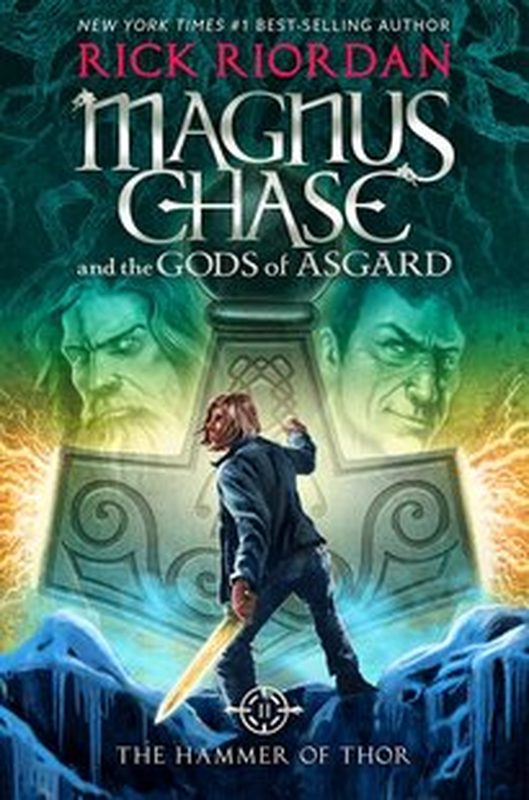
Now you might say, “Yeah, right. They’re just cheesy movies, Chris! Nobody takes them seriously.”
No? How about this man accused of stalking two women in Australia in 2015? He used the “Bollywood defense,” by arguing that he “learned from Bollywood movies that relentlessly pursuing women was the only way to woo them.” The argument worked, and his case was thrown out. That’s just rom-coms. Now think about all the movies we take a little more seriously: historical fiction, superhero movies, horror films…they all carry the same sexist messages, and they all have the same consequences. So, what exactly is the difference between a perfectly innocent man who drinks beer and yells at the TV on Sunday during football season, and the man who does the same and then rapes his girlfriend? It’s that men who are sexually violent “have ‘hyper-masculine’ attitudes and self-concepts—their approval of male dominance and sexual rights is even stronger than that of non-rapists…The difference between sexually violent men and others appears to be only a matter of degree.” In other words, men who are sexually violent believe that it’s their right to be sexually violent. That that kind of behavior is acceptable, and in some cases even encouraged. There are many places a person can learn this message. Parents/guardians, friends, and of course, media. Modern movies desensitize viewers to violence, particularly violence against women. Some, especially porn , encourage it. 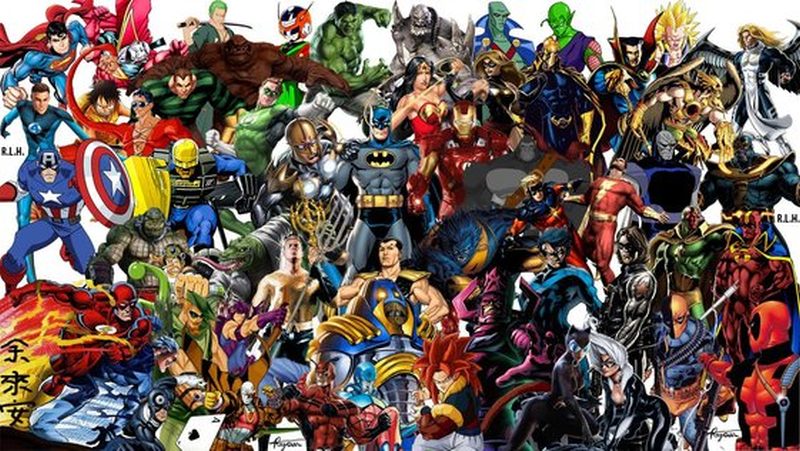
Sometimes the sexist messages and promotion of rape culture are blatantly obvious (see above: rom-coms). Other times it’s a little more subtle, and serves more to reinforce what we’ve been taught about gender roles and male dominance. The
Fast and Furious
franchise (and
most other action movies
) uses women only as decoration: sex objects, damsels in distress, occasionally a minor supporting character who gets to drive a car. The men in these movies and others like it—Captain America, James Bond, Bruce Wayne—are ultra-masculine and dominating, both features male rapists value.
Beauty and the Beast is an excellent study of Stockholm syndrome , as Beast effectively kidnaps Belle and forces her into submission. The Notebook has elements of emotional abuse as Ryan Gosling’s character threatens to commit suicide if Rachel McAdams doesn’t go out with him. It’s even been argued that Ron and Hermione’s relationship in the Harry Potter series echoes abusive elements, especially in the movies (as any Potterhead will tell you, Hollywood really screwed that up). “Wait a minute, Chris. Harry Potter ? Disney? You’re telling me that rape culture is everywhere and in everything?” Yup. Pretty much. “So I can’t enjoy any of my favorite movies, shows, and books and should just avoid everything?” Well, no. We all have guilty pleasures. And frankly, the rape culture in our media is so common and widespread that you literally cannot escape it without shutting down every electronic device and spending the rest of your life in a cave in the Himalayas. The number of sorority sisters I have who are feminists and yet love to spend their Saturday nights watching crappy rom-coms is enough to drive me out of the house for a few hours. I personally love the Marvel Phase Three reboot, even though almost every single major character is a white male, and every single woman with more than ten minutes of screen time has been reduced to a love interest. 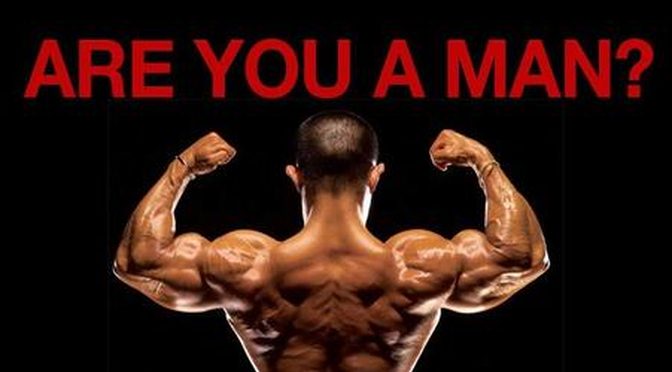
And there are some franchises and sources of entertainment that go against stereotypes and sexism.
Game of Thrones
is one of my favorite examples: look at all the prominent women of diverse skills, from Arya and Brienne to Sansa and Daenerys.
Mad Max: Furious Road
actively tackles sexism and the issue of human trafficking with a flame-thrower guitar. And the
Percy Jackson
series (especially the later books) has a wide variety of girls, LGBT+ teens, and people of color.
But nothing’s perfect. Thrones has a rape problem and a race problem (especially in the show). Mad Max apparently thinks the only people who will survive the apocalypse are white people . Percy Jackson …that is perfect, actually. 
But you have a voice, and you probably have the internet if you’re reading this article. So when you see Hollywood falling onto bad habits and the directors try to cover it up with BS, call them out on it. Tweet, blog, vlog, Facebook, Snapchat. Make the internet explode with outrage. Even better, hit them where it hurts:
their wallets
. Buy tickets to movies like
Zootopia
and boycott the others. I didn’t see the
Beauty and the Beast
reboot despite my love of Emma Watson, nor did I pay to see a
whitewashed
Ghost in the Shell
.
And to my fellow writers. You aspiring Rick Riordans, you Marvel geeks who scribble comics in the margins of your notebooks, you Comic-Con regulars who dream of people creating costumes for your characters. Keep writing. And then step past that dark wall of fear and self-doubt and get published. (Your writing does us no good if we can’t read it!) If someone says, “Why did you make this witch trans? Can’t you just make her normal?” unfriend them on Facebook. If someone says, “I know you didn’t mean anything by it, but that’s a really bad rape joke on page forty, and your starship captain is sexist AF,” give that person a medal and edit the scene. Write what you want to read. Pay for what you want to see more of. And never stop the crusade against rape culture and bullshit.
What movies/shows/books have you seen that promote rape culture? Do you know any that try to fight it? Comment below!
|
What's This?The first Dragons, Zombies and Aliens blog was started in 2015. Somewhere between college coursework, paying rent with door-to-door sales, and keeping up with my sorority sisters, I wrote reviews, rants and commentaries on books, TV shows, and movies. Now, this blog has moved, improved, and the sky's the limit! Categories
All
Archives
July 2020
|


 RSS Feed